INHIBIN (A & B): Selective Regulation of FSH, Follicular Feedback and Reproductive Function
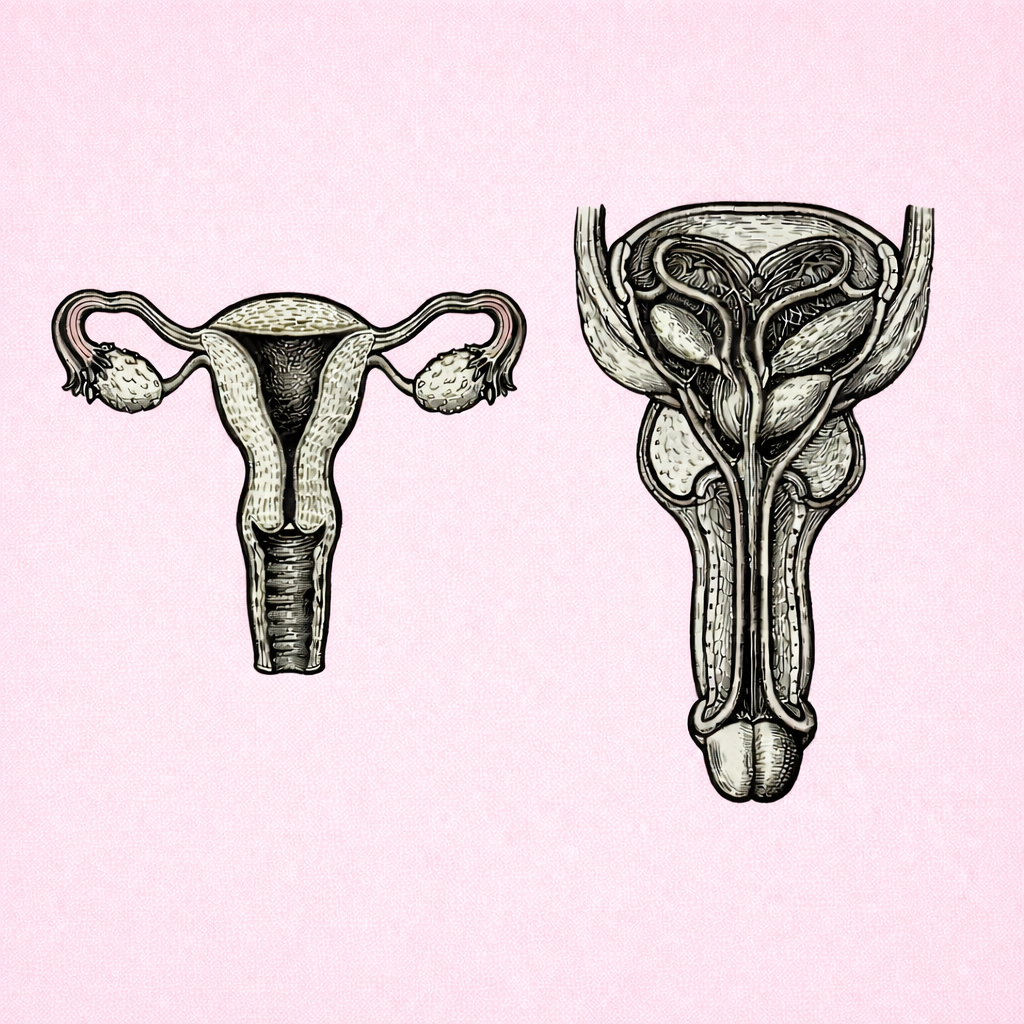
Inhibin is a gonadal peptide hormone that selectively suppresses follicle-stimulating hormone (FSH) secretion from the anterior pituitary, with Inhibin A and Inhibin B produced at different stages of reproductive activity. Understanding inhibin is important for interpreting gonadal feedback, fertility, ovarian and testicular function, and the clinical use of inhibin as a biomarker in reproductive and endocrine disorders.
The Reproductive System - Overview
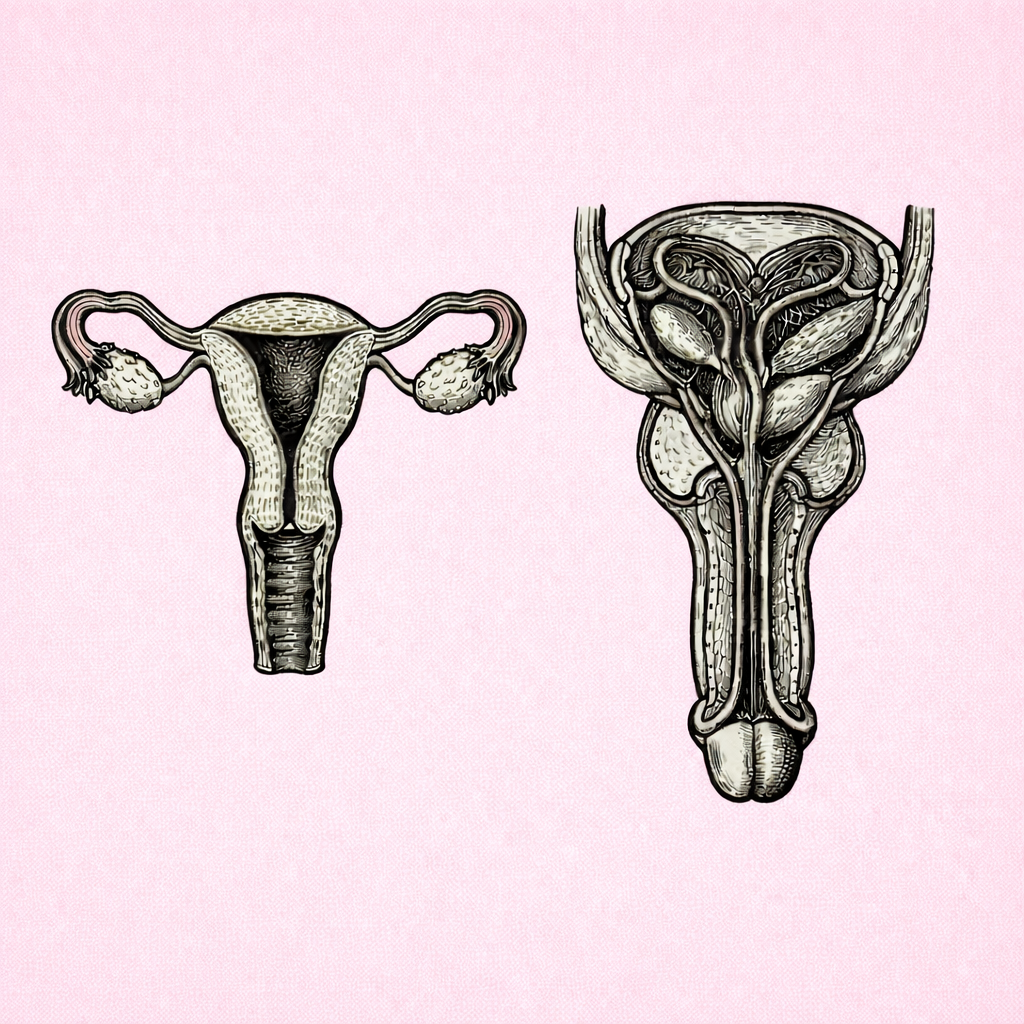
The reproductive system comprises specialised organs and hormones that produce gametes, regulate sexual development, and support fertilisation, pregnancy and birth. Understanding this system is essential for interpreting fertility, hormonal regulation, reproductive health across the lifespan, and the wide-ranging clinical conditions and treatments that affect reproductive function.
FOLLICLE-STIMULATING HORMONE (FSH)
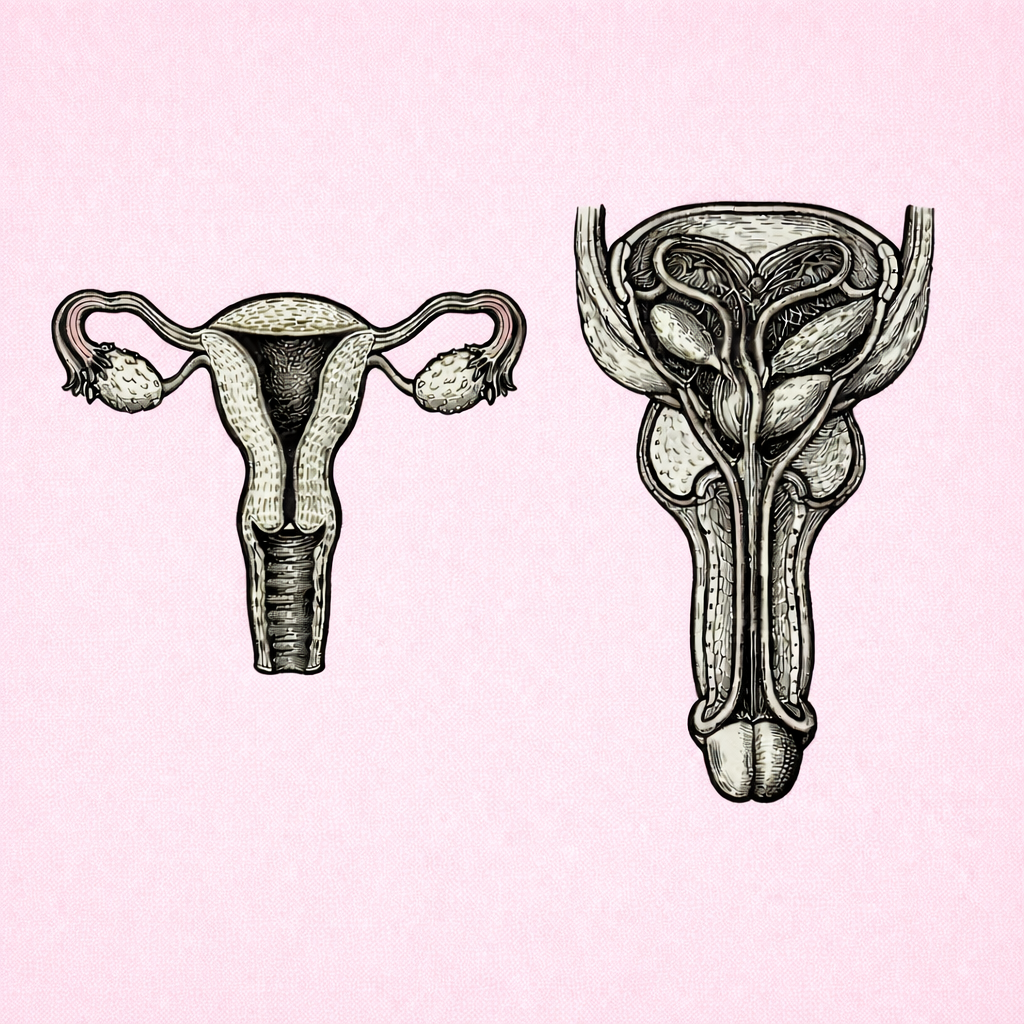
Follicle-stimulating hormone (FSH) is a pituitary hormone that regulates gamete development by stimulating ovarian follicle growth and estrogen production in females, and supporting spermatogenesis through Sertoli cells in males. Understanding FSH is essential for interpreting menstrual cycle regulation, fertility, pubertal development, and endocrine disorders affecting reproduction.
TESTOSTERONE: Physiology, Function and Systemic Effects in All Sexes
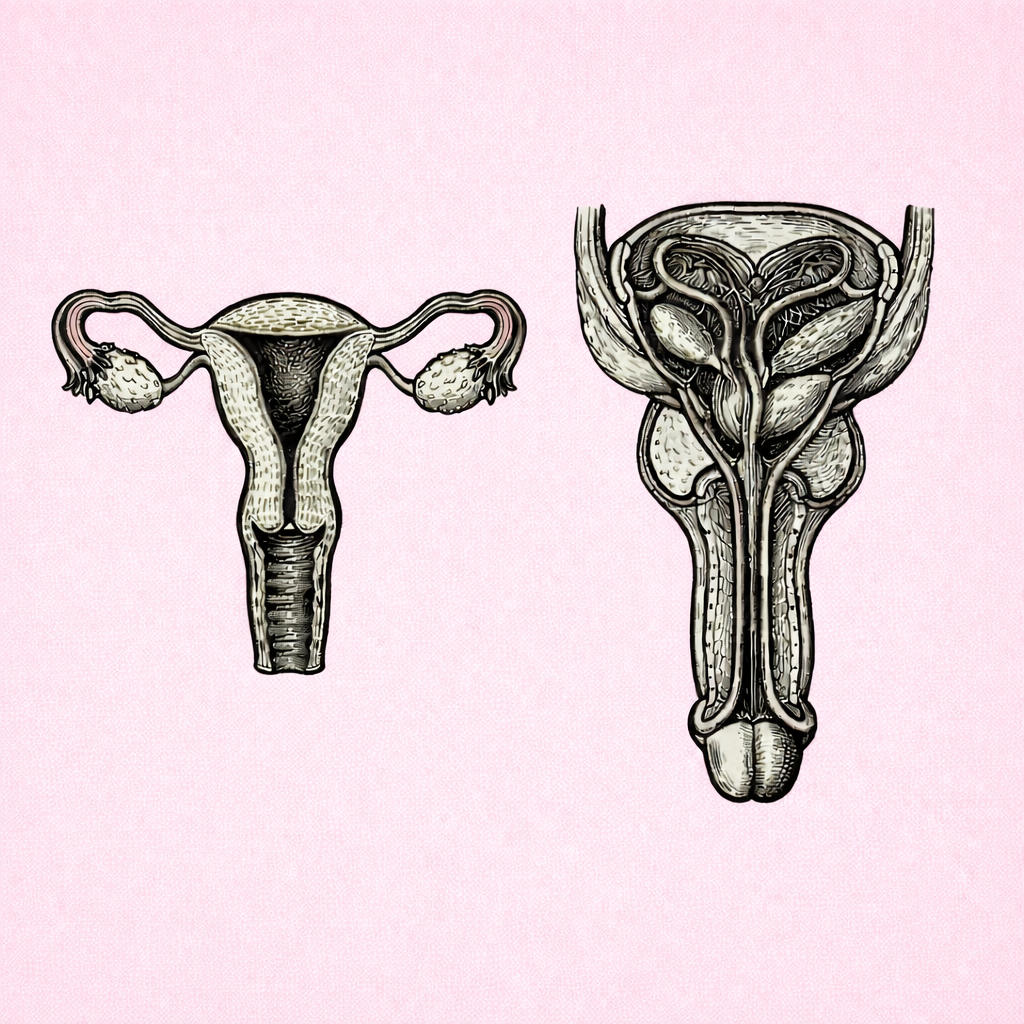
Testosterone is the principal androgen hormone responsible for regulating sexual development, reproductive function and a wide range of metabolic, musculoskeletal and neurological processes in all sexes. Understanding testosterone is essential for interpreting puberty, fertility, libido, bone and muscle health, and endocrine disorders involving androgen excess or deficiency.