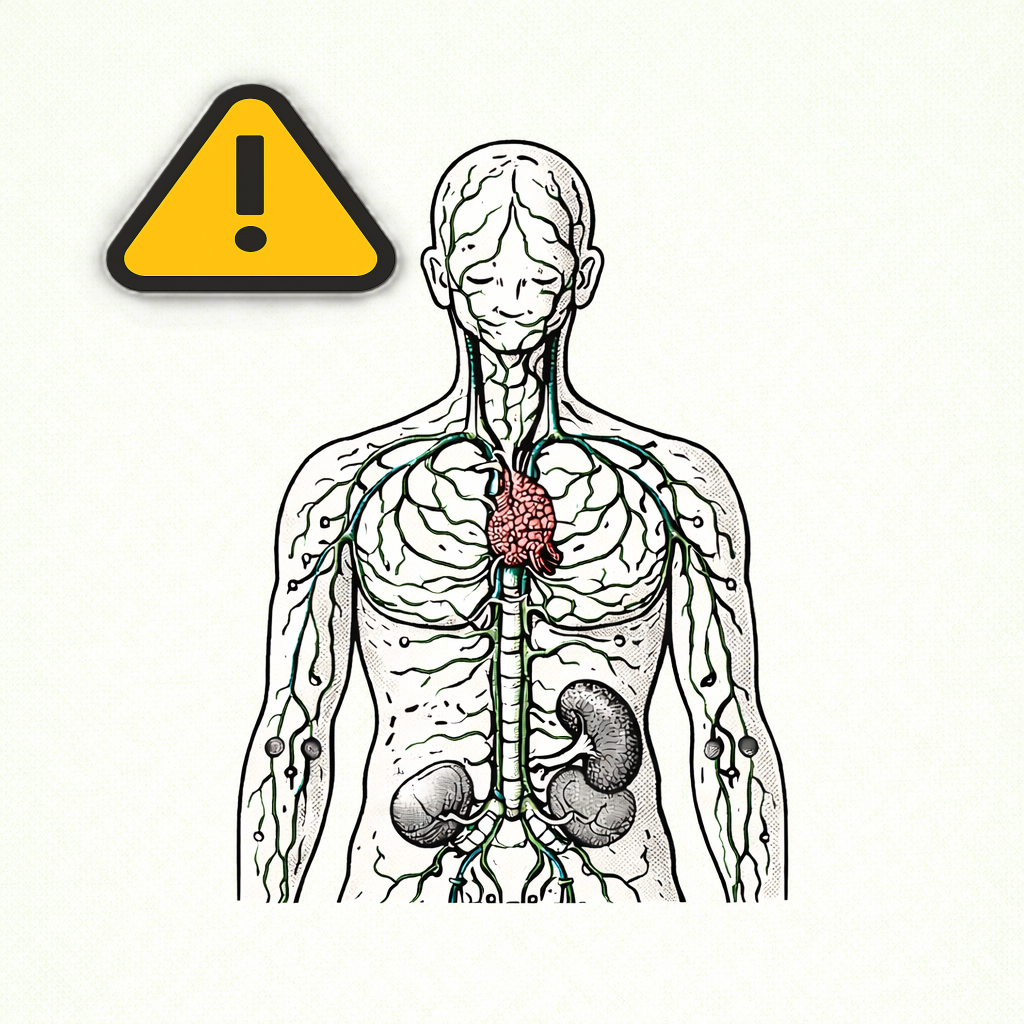
Lymphoma: Malignant Lymphocyte Proliferation and Lymphatic System Failure
Lymphoma is a malignancy of lymphocytes marked by uncontrolled clonal proliferation that disrupts lymphatic structure, immune regulation, and systemic homeostasis. Understanding its pathophysiology is essential for explaining painless lymphadenopathy, systemic “B symptoms,” and the immune dysfunction that defines disease progression.
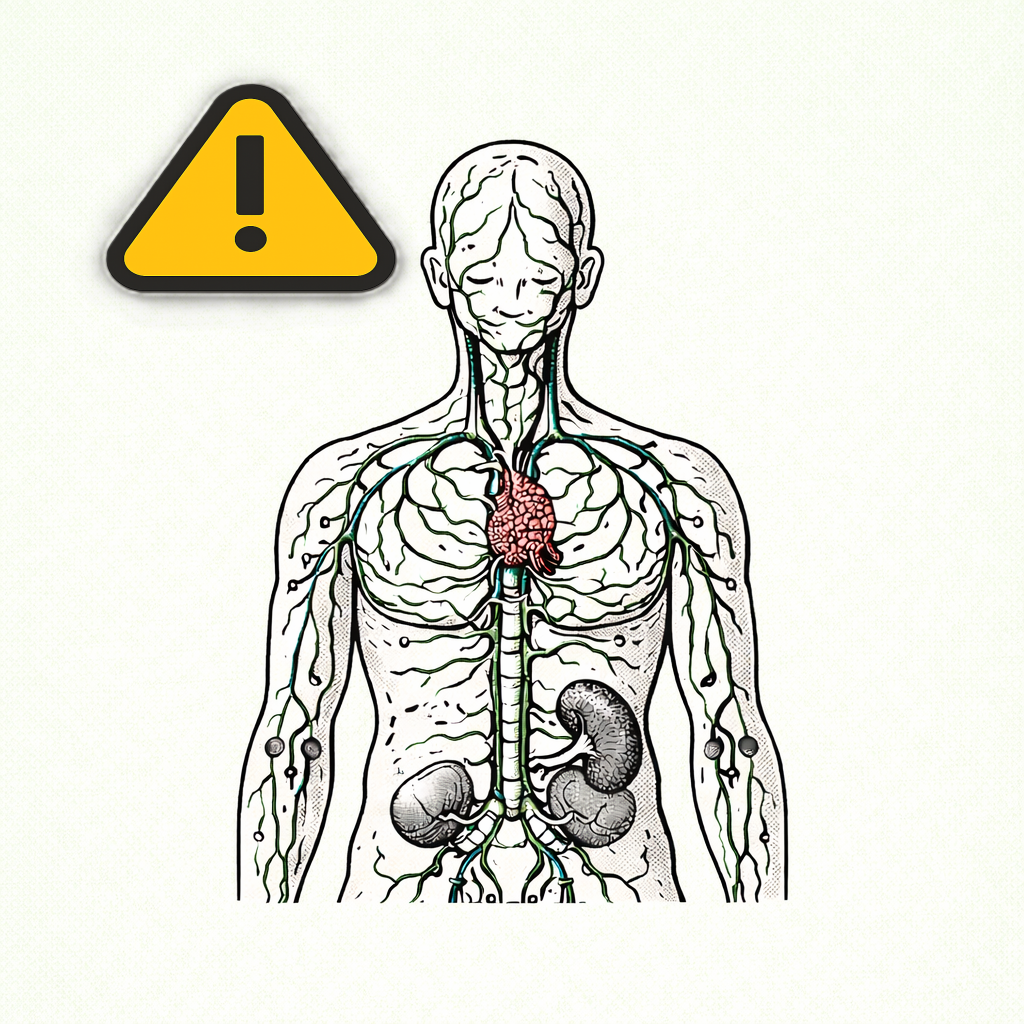
Lymphatic Spread of Cancer: Metastasis via Lymphatic Drainage and Nodal Involvement
Lymphatic spread of cancer occurs when malignant cells disseminate via lymphatic drainage to regional lymph nodes and beyond in predictable patterns. Understanding this pathophysiology is essential for cancer staging, prognostication, and guiding treatment decisions based on nodal involvement.
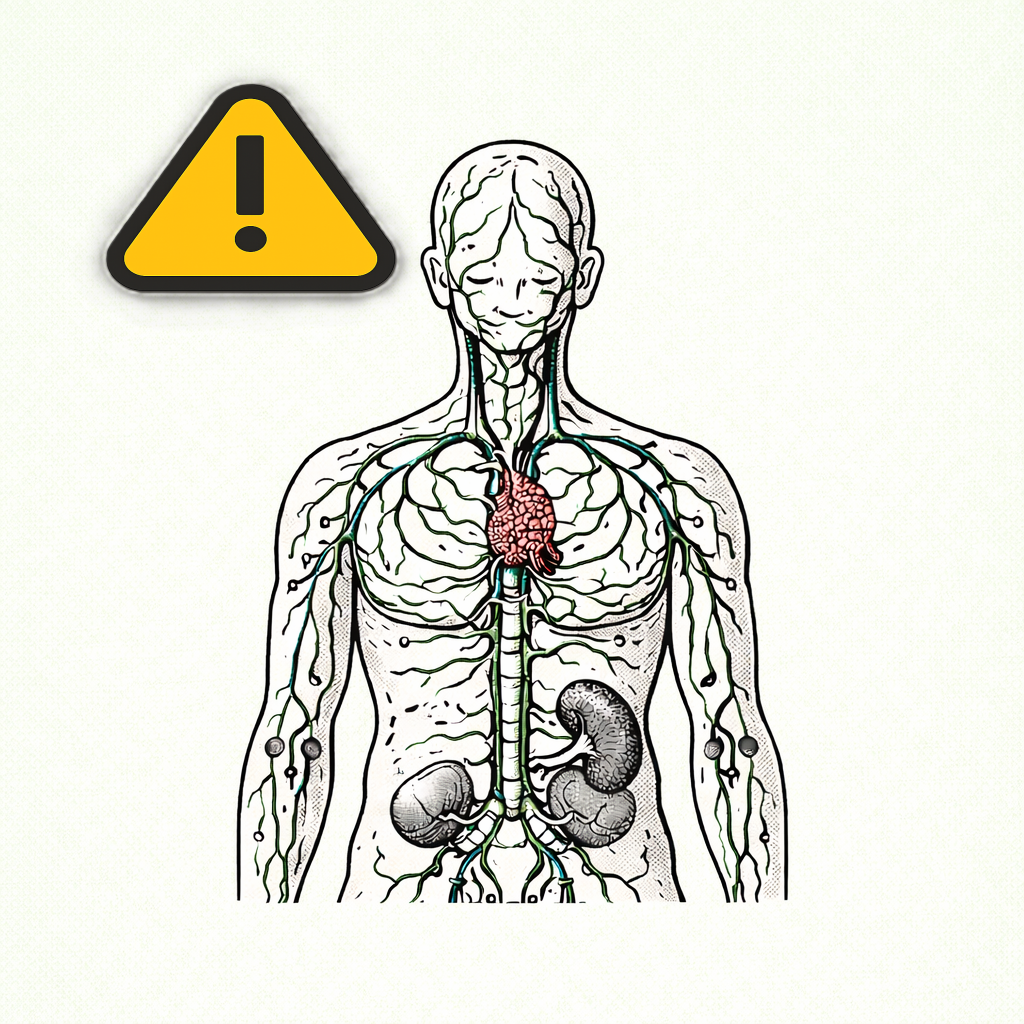
Lymphoedema: Impaired Lymphatic Drainage and Chronic Tissue Swelling
Lymphoedema is a chronic condition caused by impaired lymphatic drainage, leading to accumulation of protein-rich interstitial fluid and persistent tissue swelling. Understanding its pathophysiology is essential for explaining progressive swelling, poor response to diuretics, and prevention of long-term complications such as fibrosis, skin breakdown, and recurrent infection.
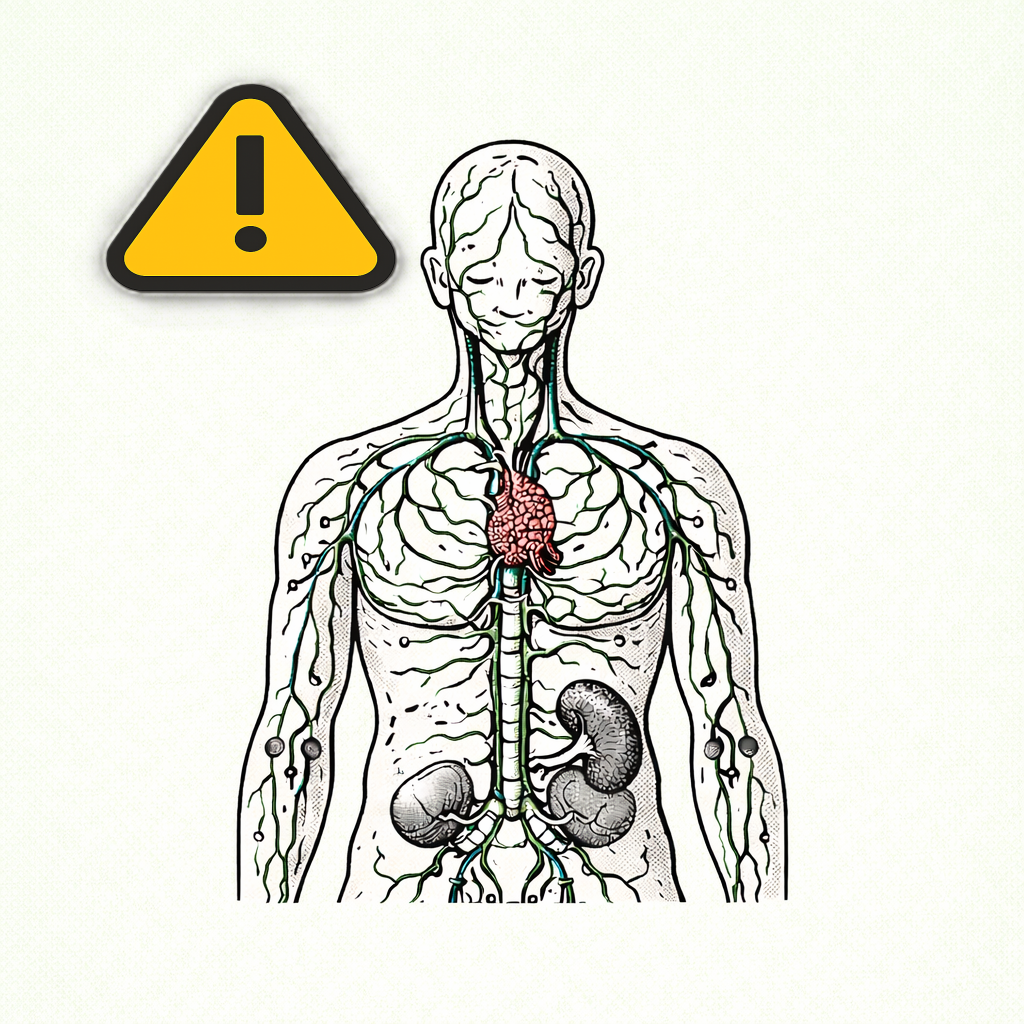
Lymphangitis: Acute Lymphatic Vessel Infection and Inflammatory Spread
Lymphangitis is an acute infection of lymphatic vessels in which pathogens spread proximally along lymphatic channels from a skin entry point. Understanding its pathophysiology is essential for recognising rapid linear spread, initiating prompt treatment, and preventing progression to systemic infection.
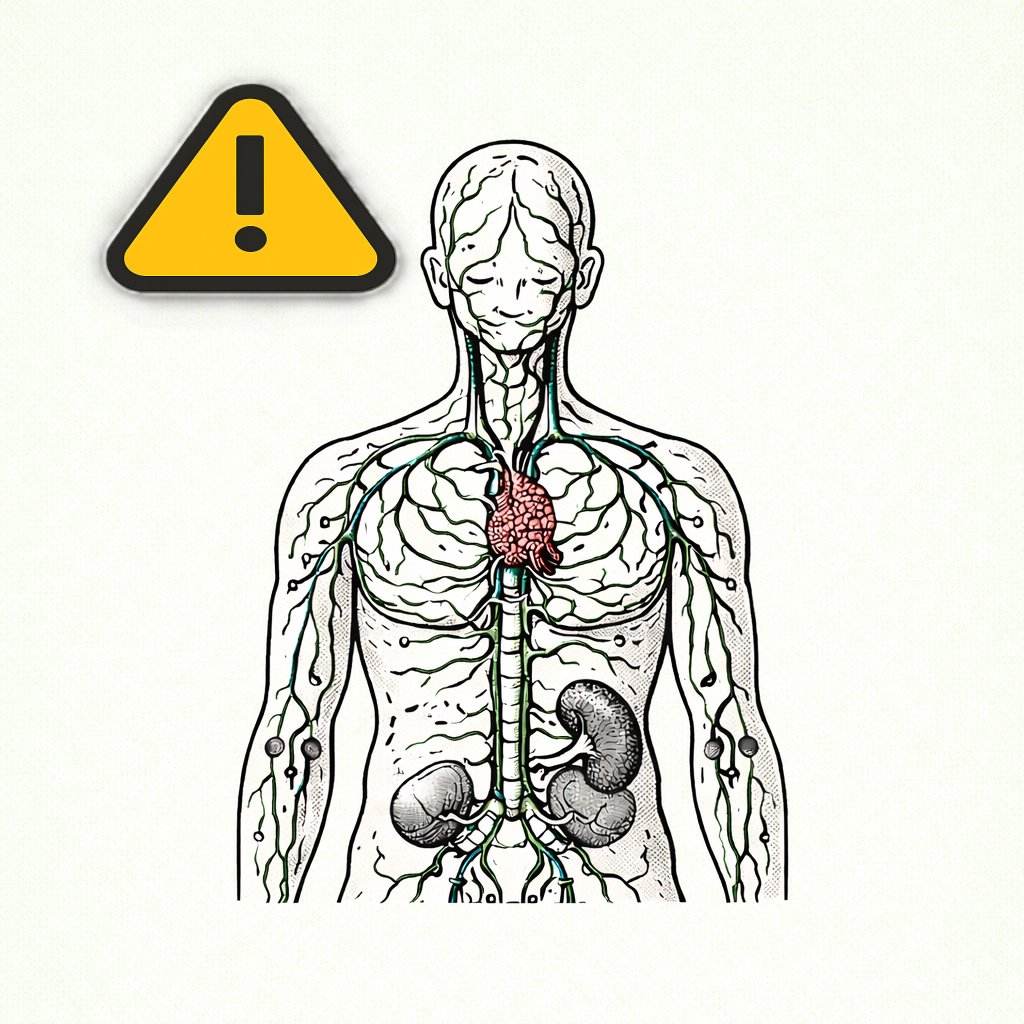
Lymphadenitis: Lymph Node Inflammation and Immune Activation
Lymphadenitis is inflammation of lymph nodes caused by infection or immune activation, leading to enlarged and often tender nodes within regional drainage areas. Understanding its pathophysiology is important for interpreting lymph node changes, distinguishing benign immune responses from serious infection, and recognising when escalation of care is required.