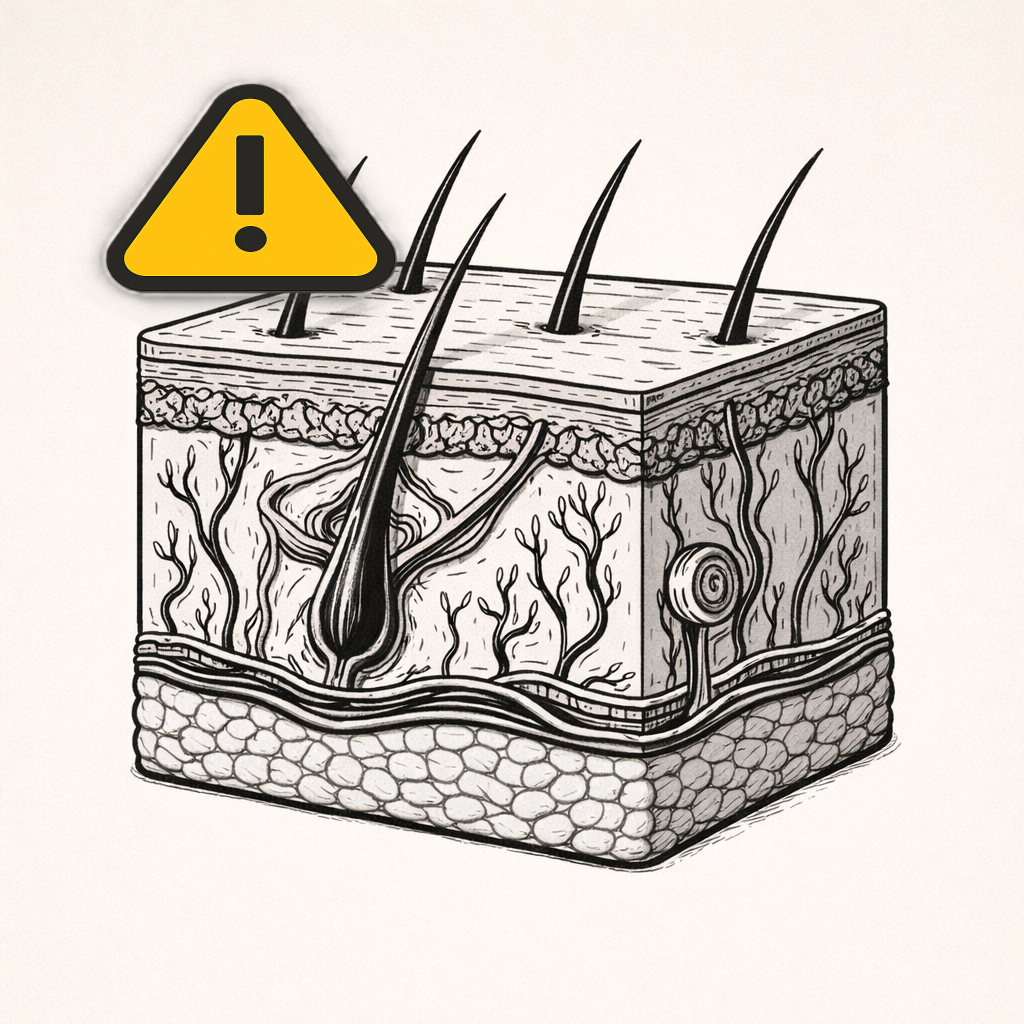
Burns: Acute Skin Barrier Loss, Systemic Inflammation, and Multiorgan Stress
Burns cause acute destruction of the skin barrier, triggering systemic inflammation, fluid loss, and widespread physiological stress beyond the local injury. Understanding burn pathophysiology is essential for explaining rapid deterioration, guiding early fluid resuscitation, and preventing infection, metabolic instability, and multiorgan dysfunction.
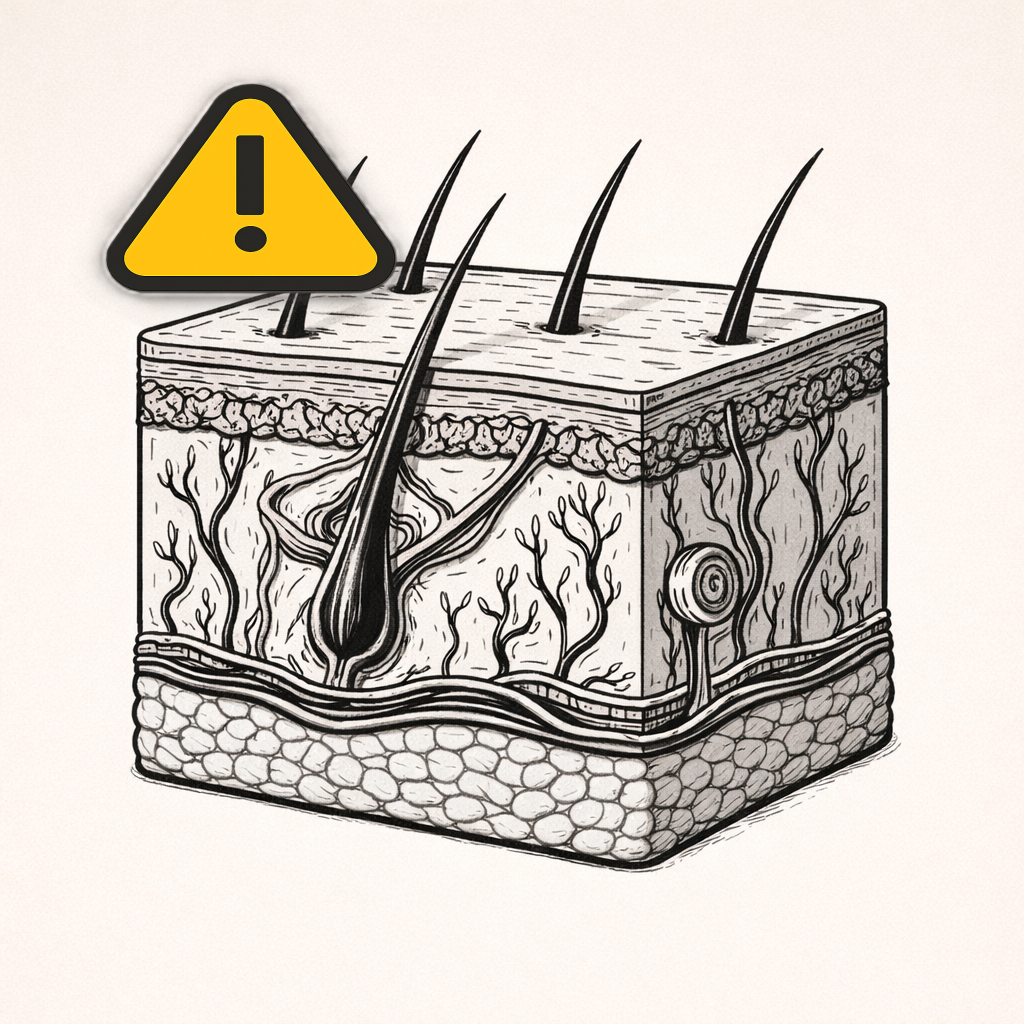
Burn Depth: Progressive Tissue Destruction and Loss of Regenerative Capacity
Burn depth describes the extent of tissue and vascular destruction and the loss of regenerative capacity within injured skin. Understanding its pathophysiology is essential for predicting healing potential, determining the need for surgical intervention, and explaining increased systemic stress associated with deeper burns.
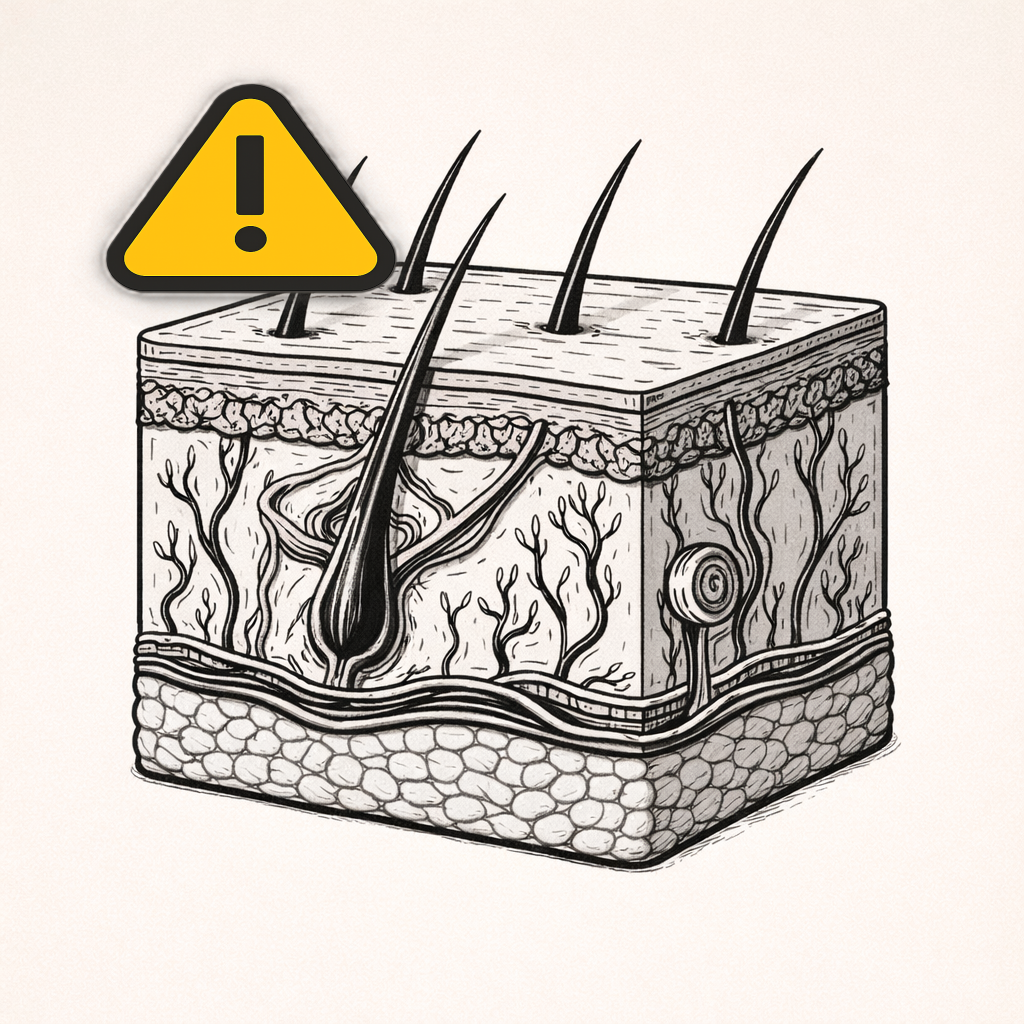
Failure of Wound Healing: Stage-Specific Disruption
Failure of wound healing occurs when disruption at one or more stages of the normal healing process prevents timely tissue repair. Understanding its pathophysiology is essential for explaining stalled or deteriorating wounds and for targeting underlying physiological barriers rather than focusing on surface management alone.
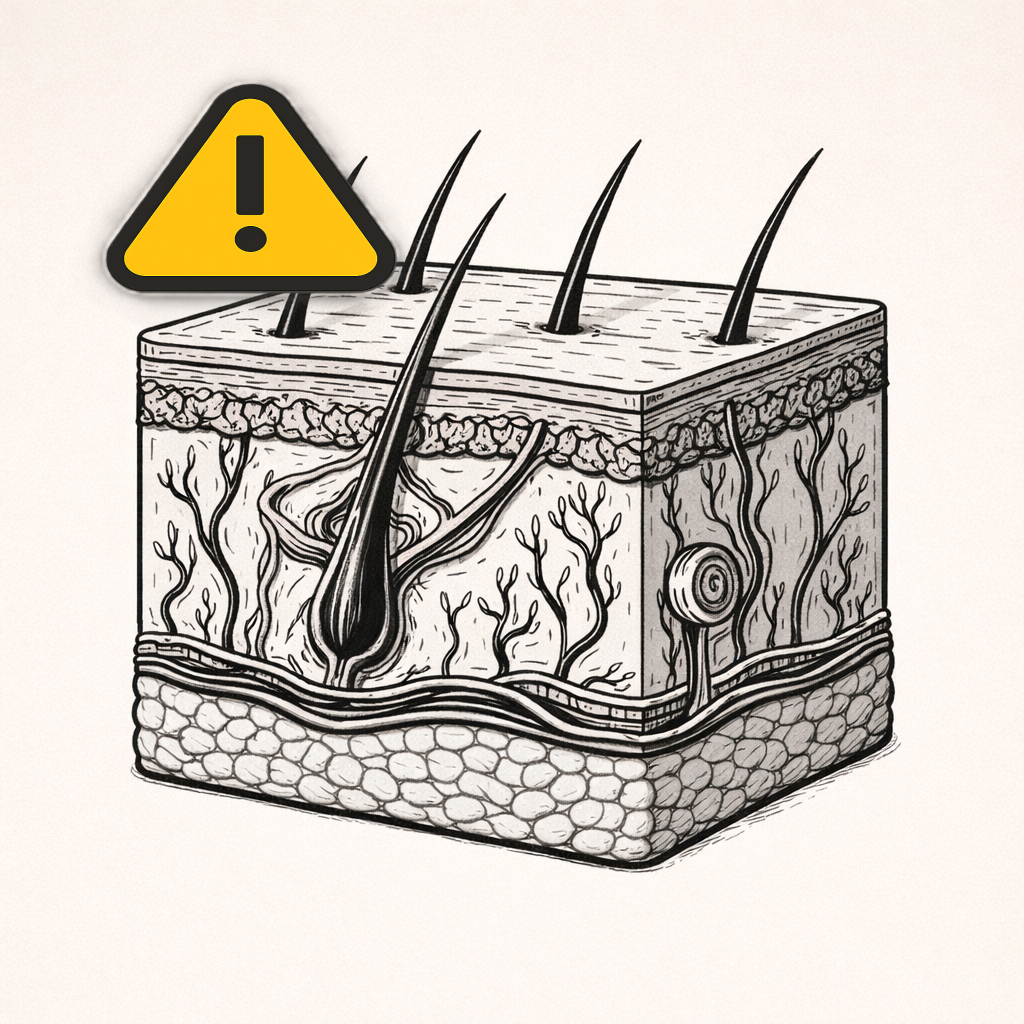
Delayed Wound Healing: Bacterial Burden and Biofilm
Delayed wound healing occurs when excessive bacterial burden and biofilm formation disrupt normal cellular signalling and tissue repair. Understanding this pathophysiology is essential for explaining persistent inflammation, stalled healing despite appropriate dressings, and failure of epithelial closure in seemingly healthy wounds.
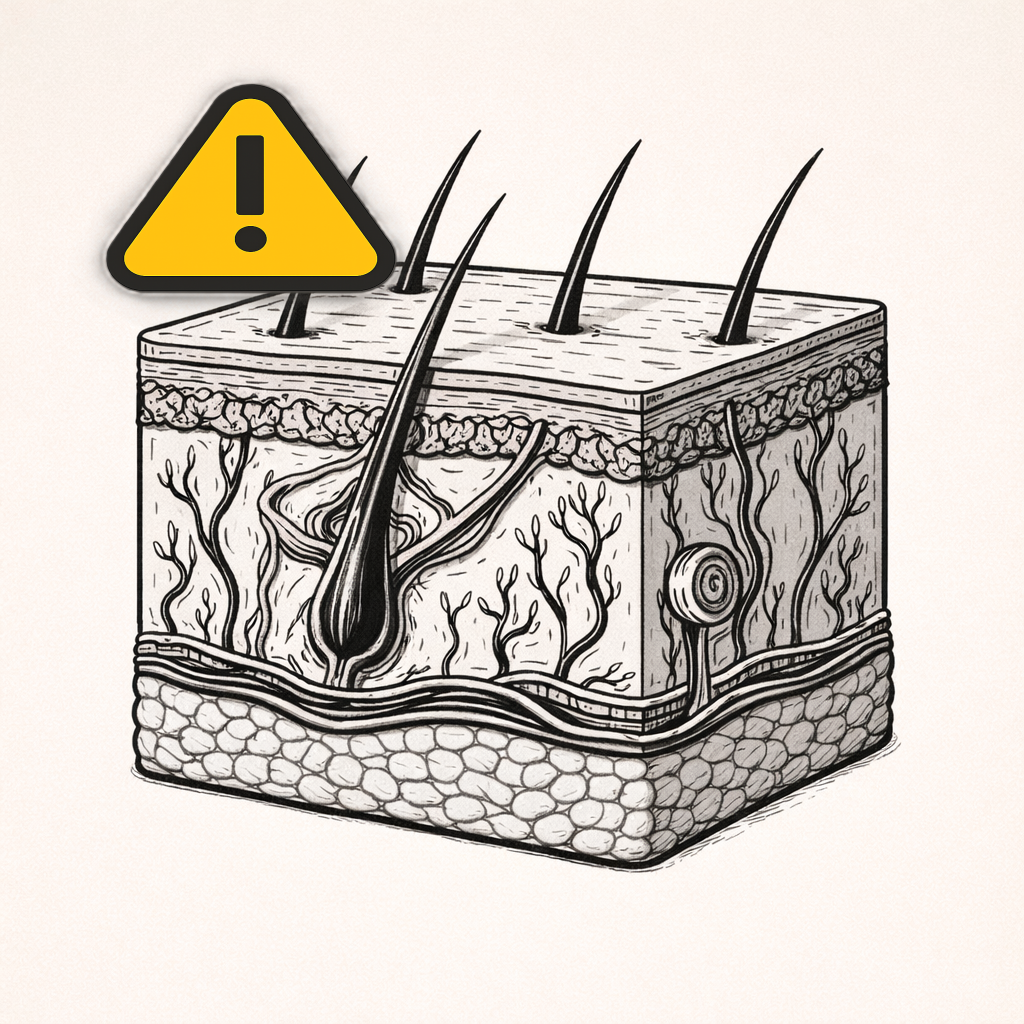
Abnormal Scarring: Dysregulated Collagen Deposition and Failed Wound Remodelling
Abnormal scarring occurs when wound healing proceeds but collagen deposition and remodelling become dysregulated, resulting in hypertrophic or keloid scar formation. Understanding its pathophysiology is essential for explaining raised, rigid, or painful scars and recognising how inflammation, tension, and individual biology influence scarring beyond wound size alone.
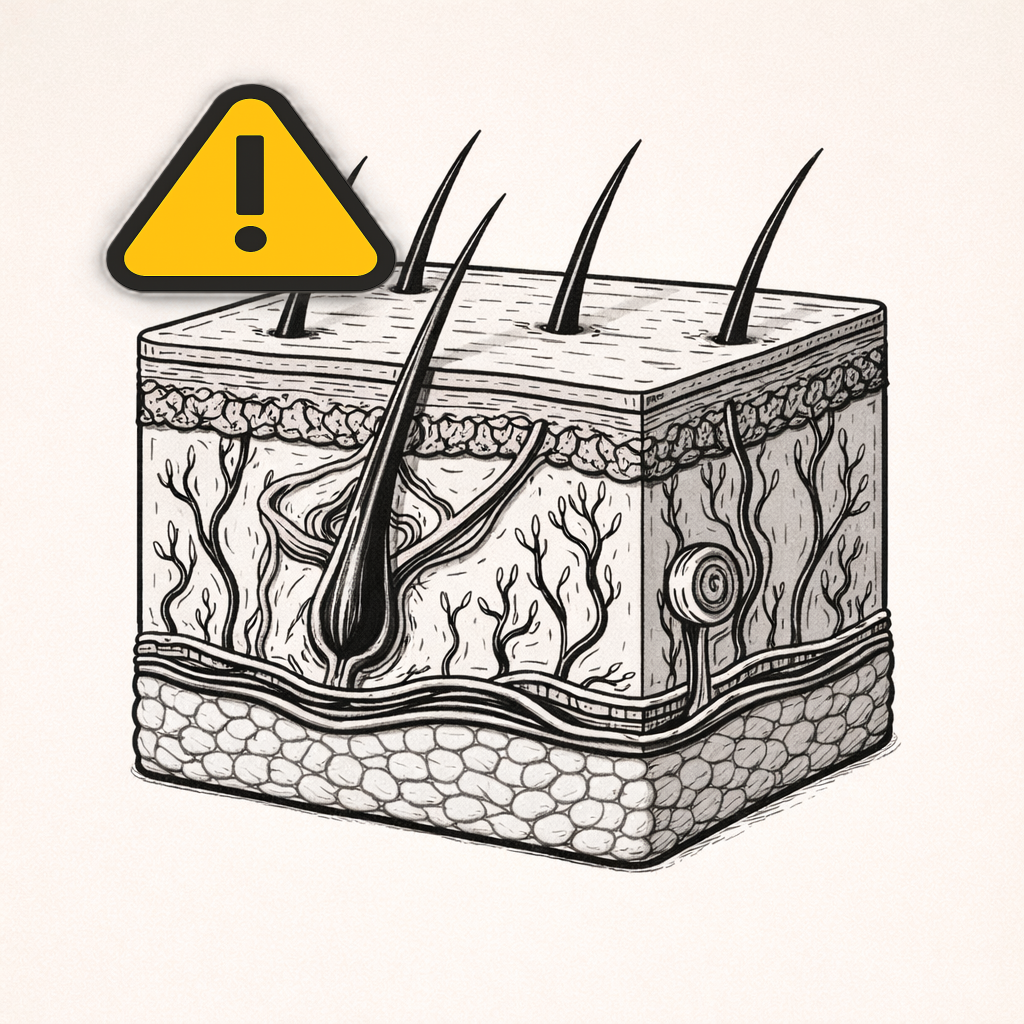
Skin Cancer: Basal Cell Carcinoma, Squamous Cell Carcinoma & Melanoma
Skin cancer arises from cumulative genetic damage that disrupts normal cell growth and repair, producing biologically distinct malignancies such as basal cell carcinoma, squamous cell carcinoma, and melanoma. Understanding their differing pathophysiology is essential for recognising variable behaviour, metastatic risk, and why some subtle lesions carry a far greater mortality risk than others.
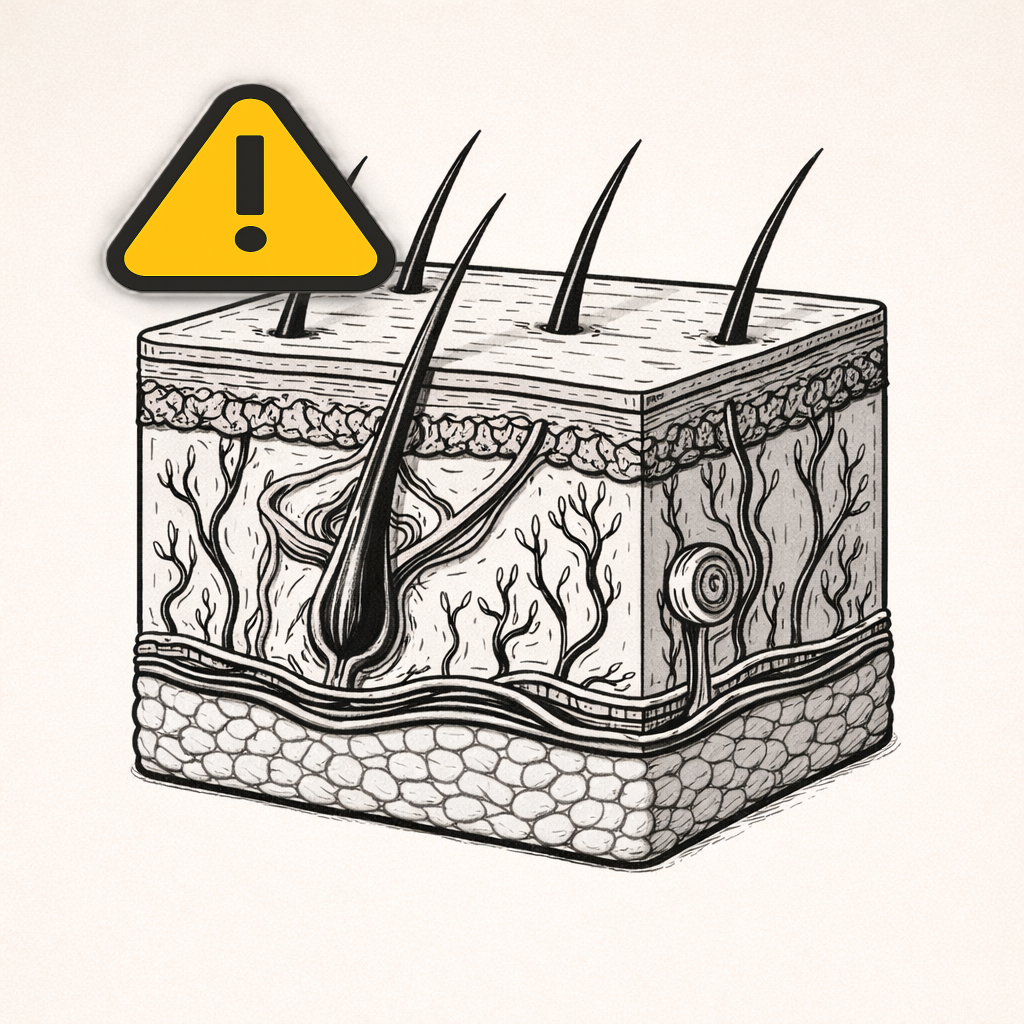
Moisture-Associated Skin Damage (MASD)
Moisture-associated skin damage is skin injury caused by prolonged exposure to moisture that disrupts the epidermal barrier and promotes inflammation and maceration. Understanding its pathophysiology is essential for distinguishing MASD from pressure injury, preventing rapid skin breakdown, and managing moisture to support effective healing.
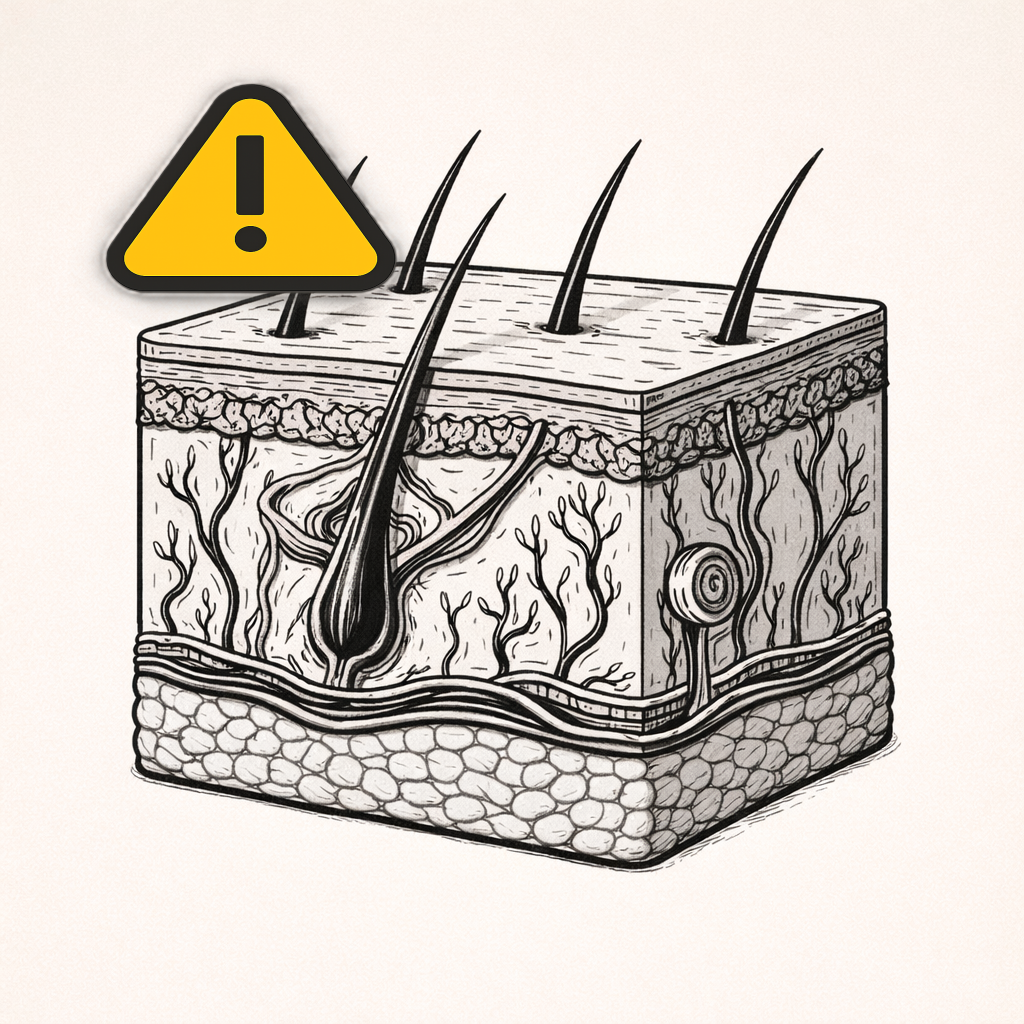
Skin Barrier Dysfunction: Impaired Epidermal Integrity, Fluid Loss, and Infection Risk
Skin barrier dysfunction occurs when impaired epidermal integrity allows excessive fluid loss, pathogen entry, and immune dysregulation. Understanding its pathophysiology is essential for explaining increased infection risk, systemic consequences of local skin injury, and the central role of barrier restoration in effective treatment.
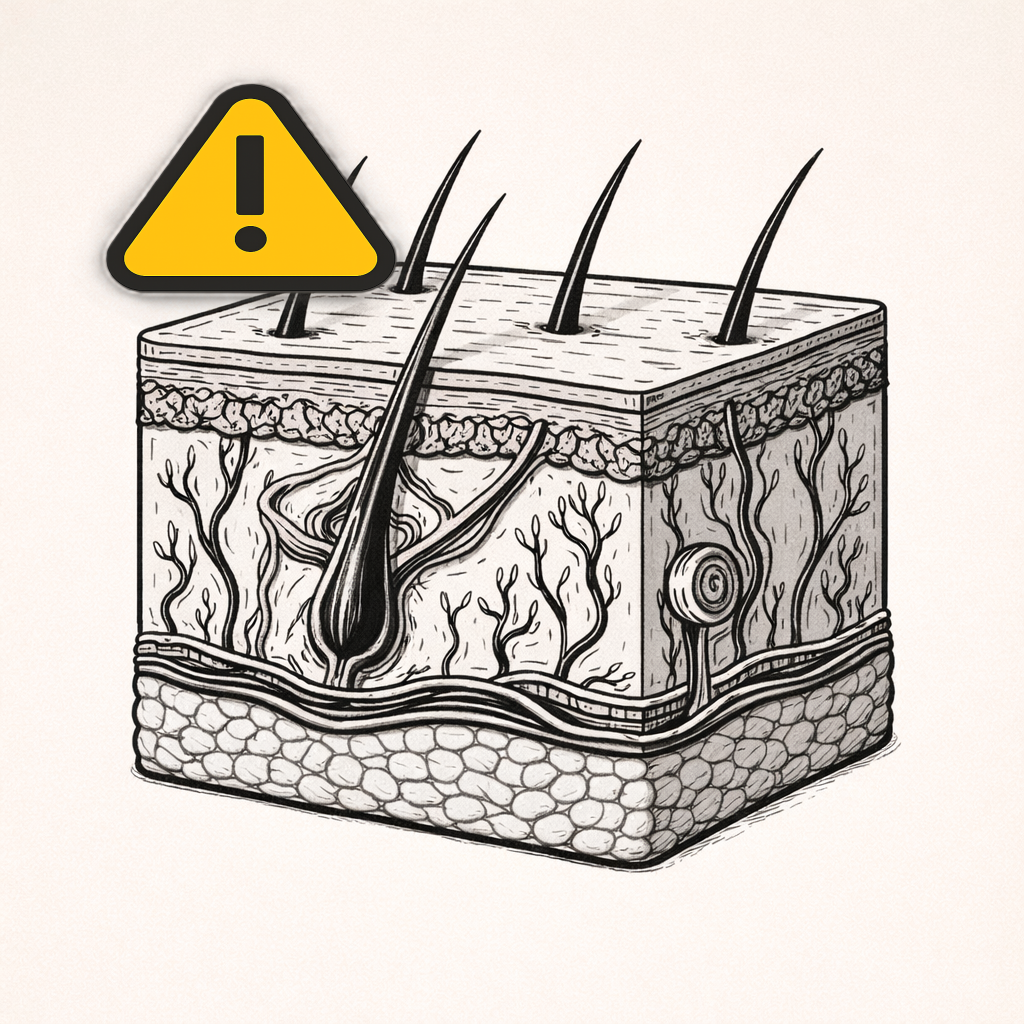
Pressure Injury: Tissue Deformation, Sustained Ischaemia, and Progressive Skin Breakdown
Pressure injury is a localised tissue injury caused by sustained mechanical loading that leads to deep tissue deformation and microvascular ischaemia beneath the skin. Understanding its pathophysiology is essential for explaining hidden tissue damage, delayed progression after pressure relief, and prioritising prevention through offloading and repositioning rather than wound treatment alone.
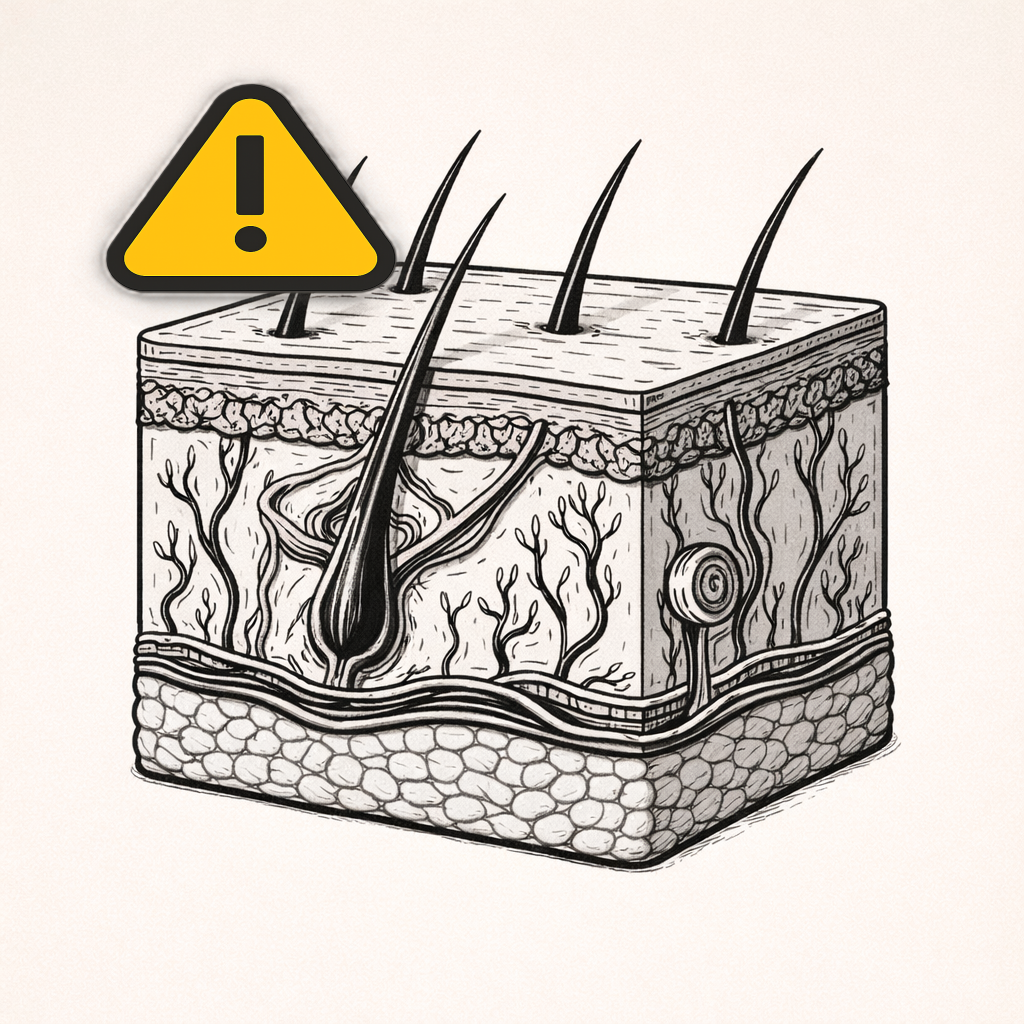
Cellulitis and Necrotising Soft Tissue Infection
Cellulitis and necrotising soft tissue infection occur when pathogens breach the skin barrier and invade deeper tissues, differing markedly in depth, progression, and severity. Understanding their pathophysiology is essential for distinguishing treatable local infection from rapidly progressive, life-threatening disease requiring urgent intervention.