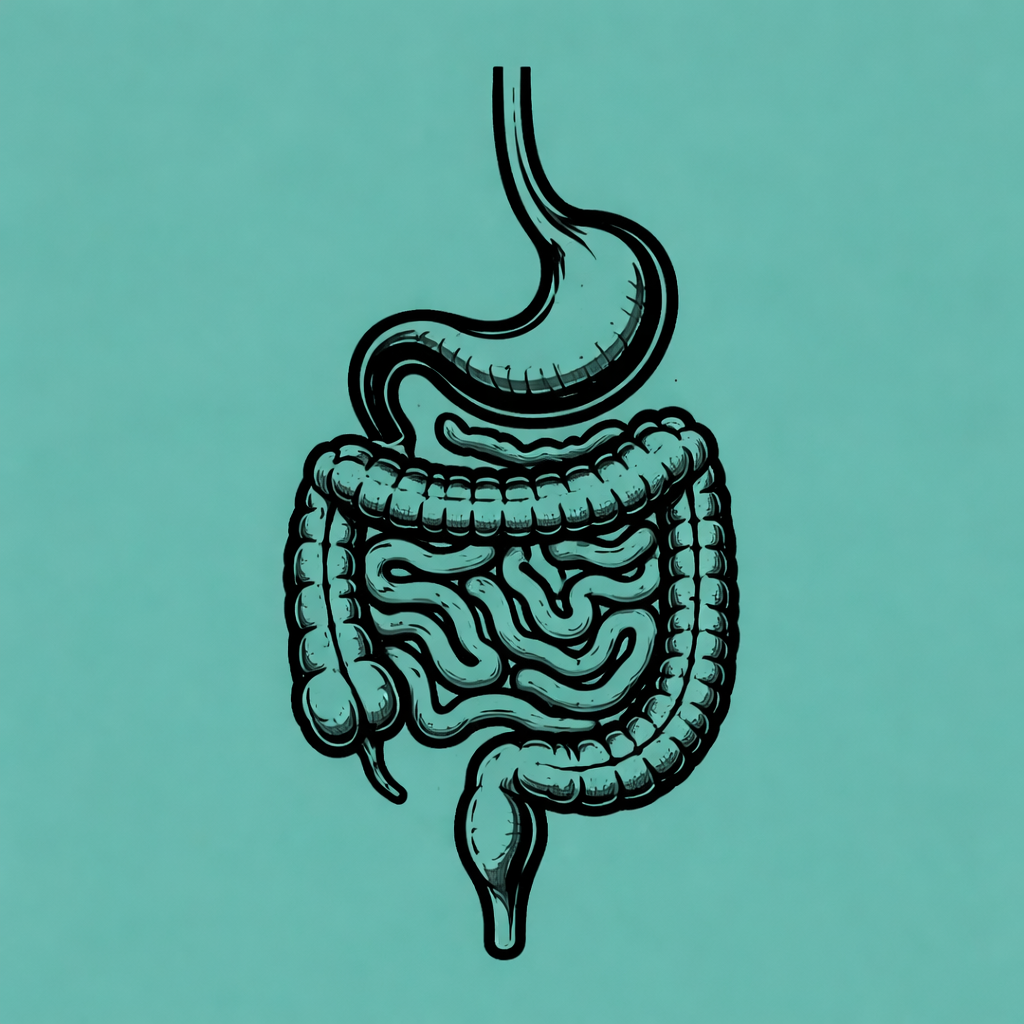
Organisation of the Gastrointestinal Tract & Accessory Organs
The gastrointestinal tract and its accessory organs are organised into specialised regions that work together to digest food, absorb nutrients, and eliminate waste. Understanding this organisation is essential for interpreting digestive function and recognising how disruption at different levels leads to malabsorption, metabolic imbalance, and gastrointestinal disease.
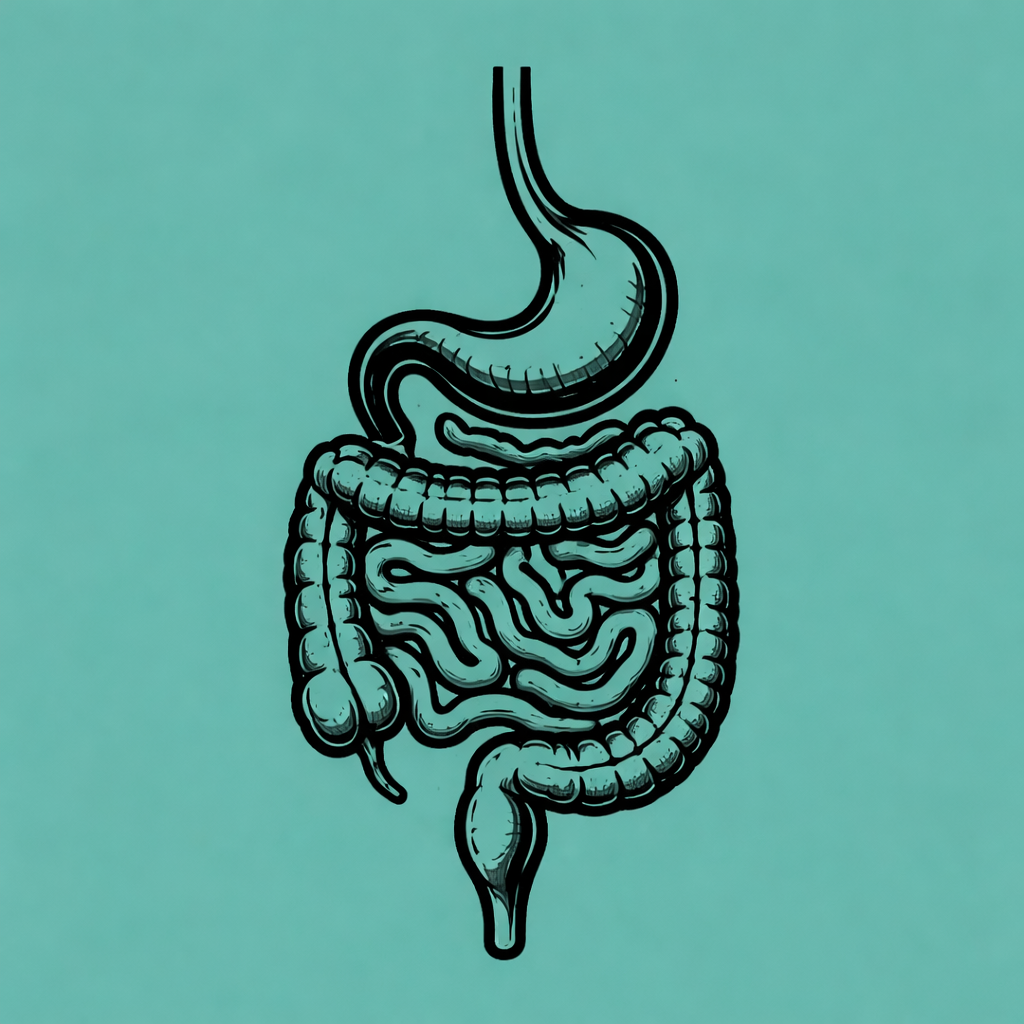
The Gastrointestinal Tract: Layers, Cellular Specialisation & Regional Adaptation
The gastrointestinal tract has a consistent layered wall structure with region-specific histological adaptations that support digestion, absorption, and motility. Understanding these microscopic features is essential for interpreting normal gastrointestinal function and the development of many digestive diseases.
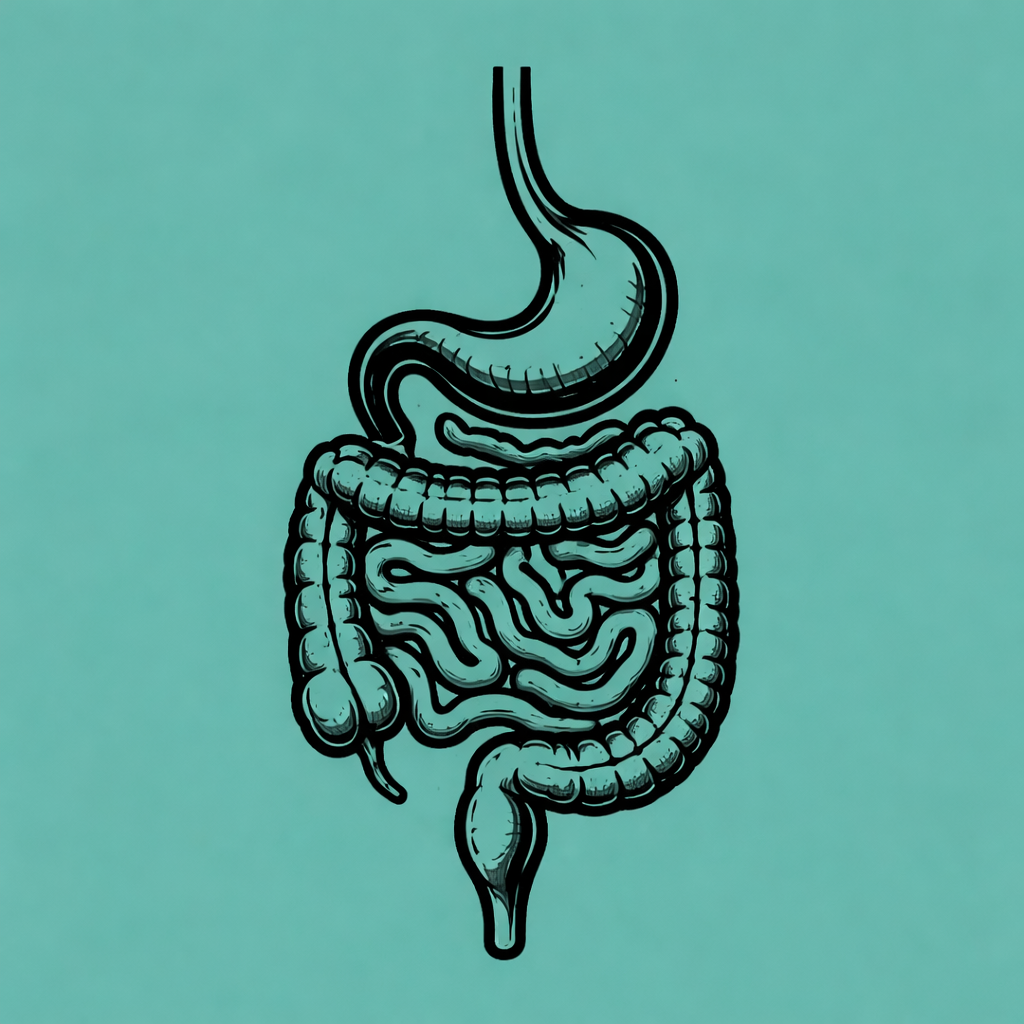
Gastrointestinal Motility: Peristalsis, Segmentation & Reflex Control
Gastrointestinal motility describes the coordinated smooth muscle movements that mix and propel contents through the digestive tract. Understanding these patterns is essential for interpreting normal digestion and recognising motility disorders that impair nutrition, fluid balance, and gastrointestinal function.
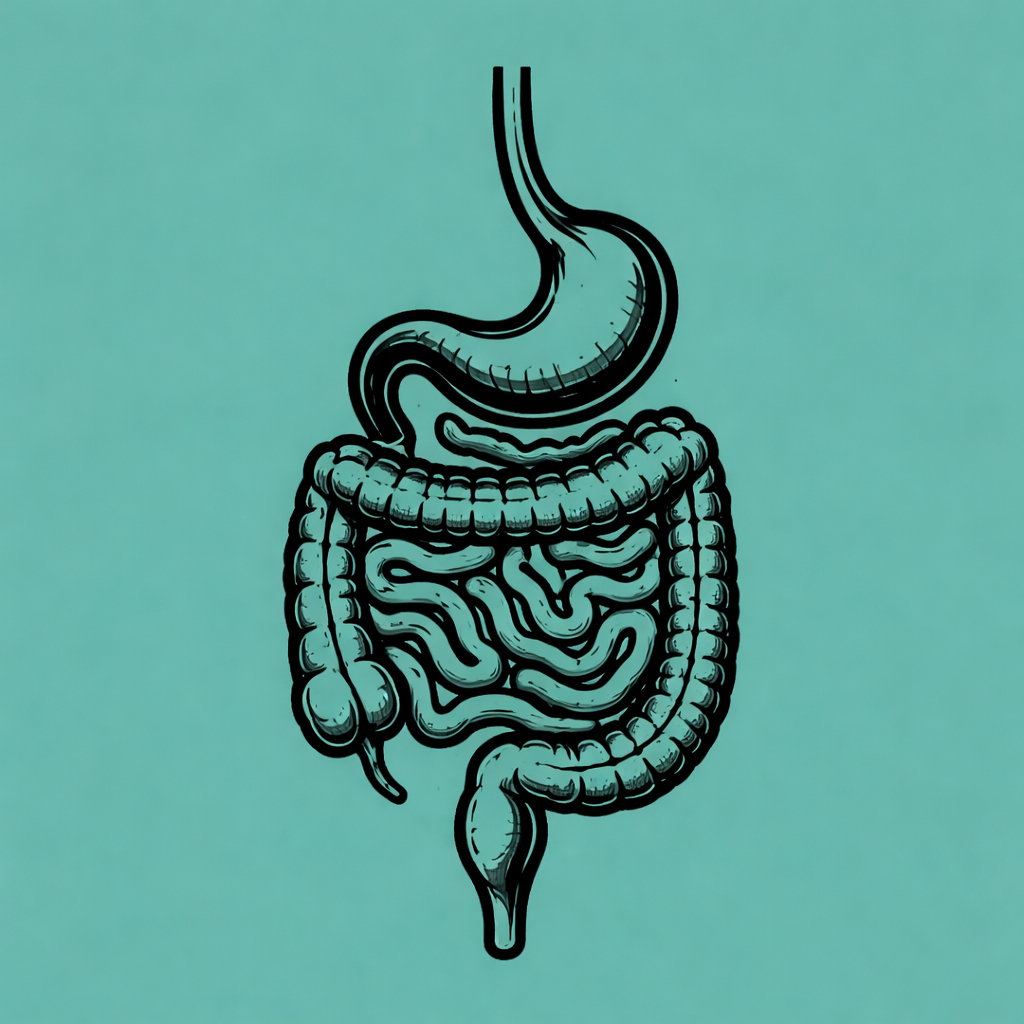
Digestive Secretions & Enzymes: Chemical Breakdown of Food
Digestive secretions and enzymes are specialised chemical substances that break complex food molecules into absorbable nutrients. Understanding how these secretions are produced and regulated is essential for explaining normal digestion, nutrient absorption, and the development of common gastrointestinal disorders.
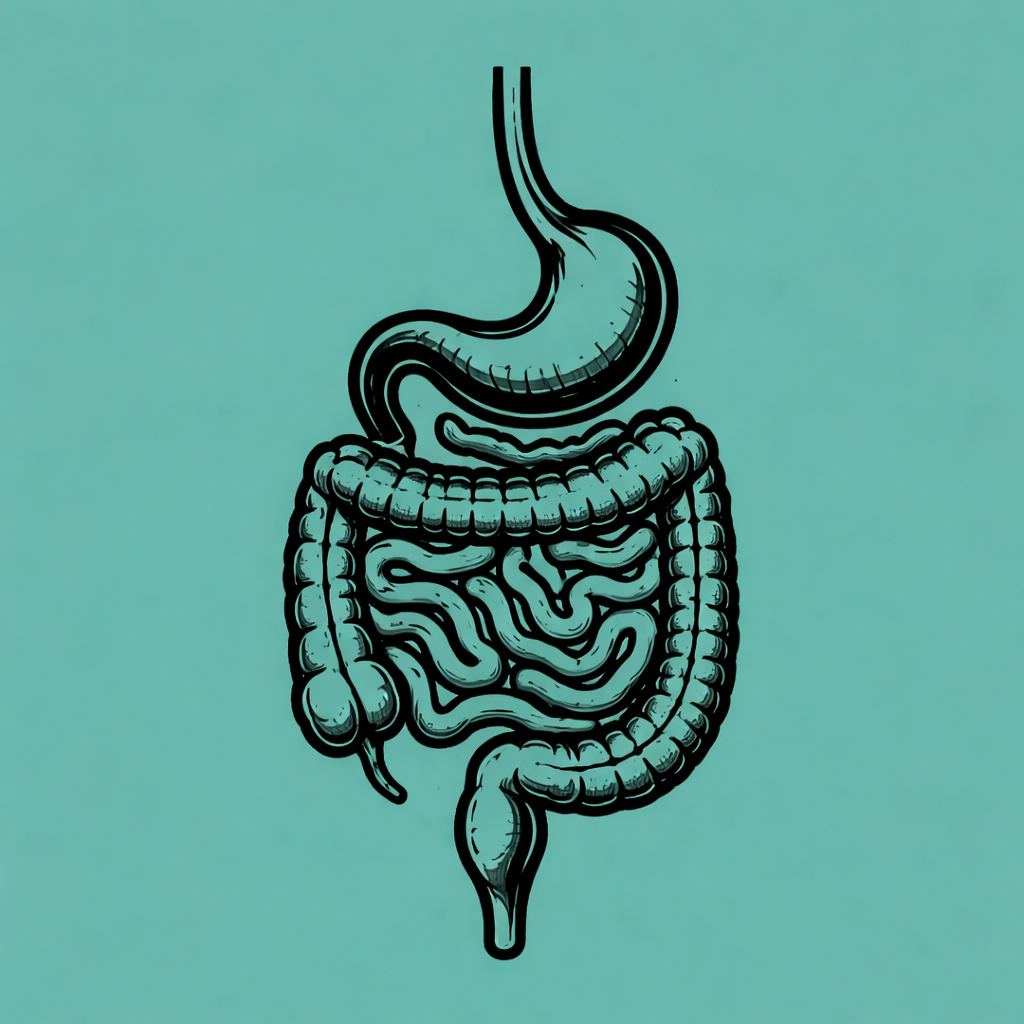
Absorption Mechanisms: Carbohydrates, Proteins, Lipids, Vitamins & Minerals
Absorption mechanisms describe how digested nutrients move from the gastrointestinal lumen into the bloodstream and lymphatic system. Understanding these processes is essential for explaining nutrient deficiencies, malnutrition, electrolyte imbalance, and the systemic effects of intestinal disease.
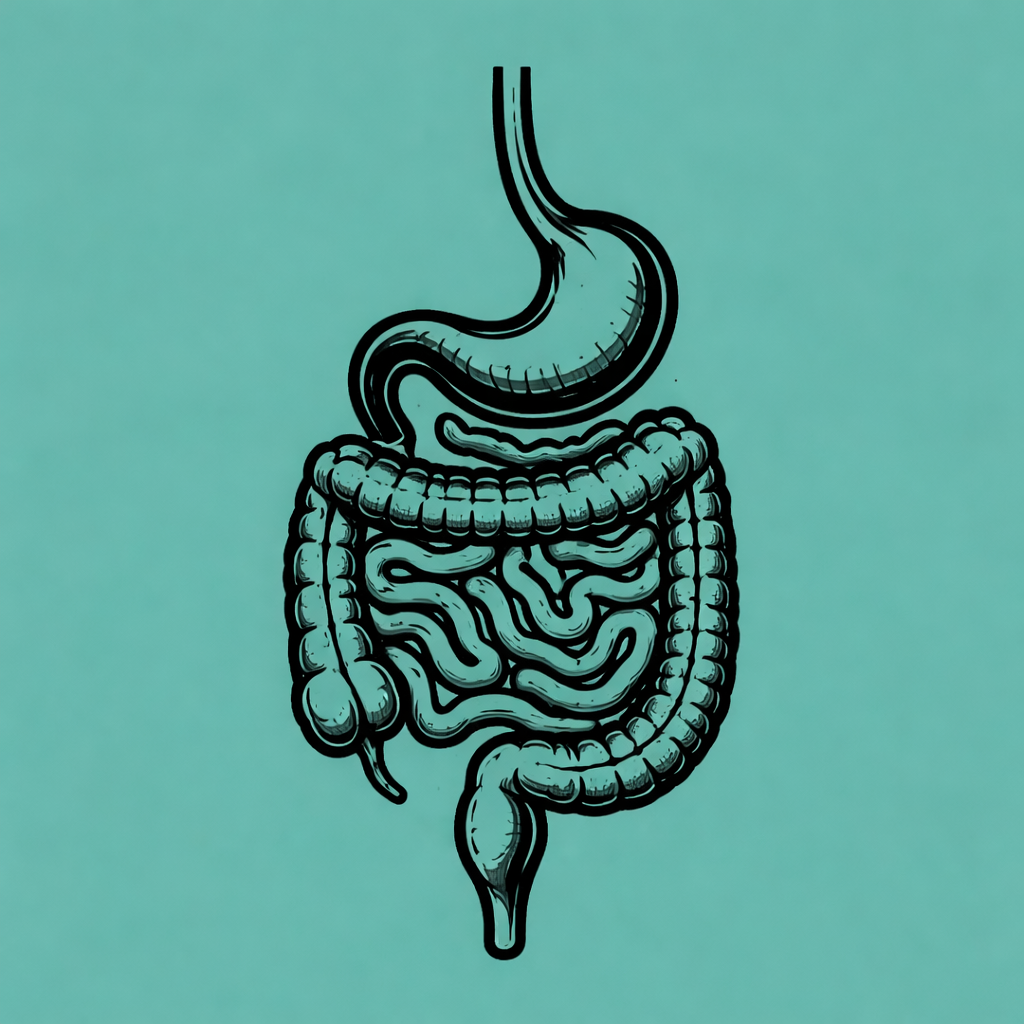
Splanchnic Circulation & the Hepatic Portal System: Blood Flow, Nutrient Processing & Detoxification
Splanchnic circulation and the hepatic portal system describe the specialised blood flow that transports absorbed nutrients and substances from the gastrointestinal tract to the liver for processing and detoxification. Understanding this pathway is essential for interpreting nutrient metabolism, drug handling, fluid shifts, and the circulatory consequences of liver and gastrointestinal disease.
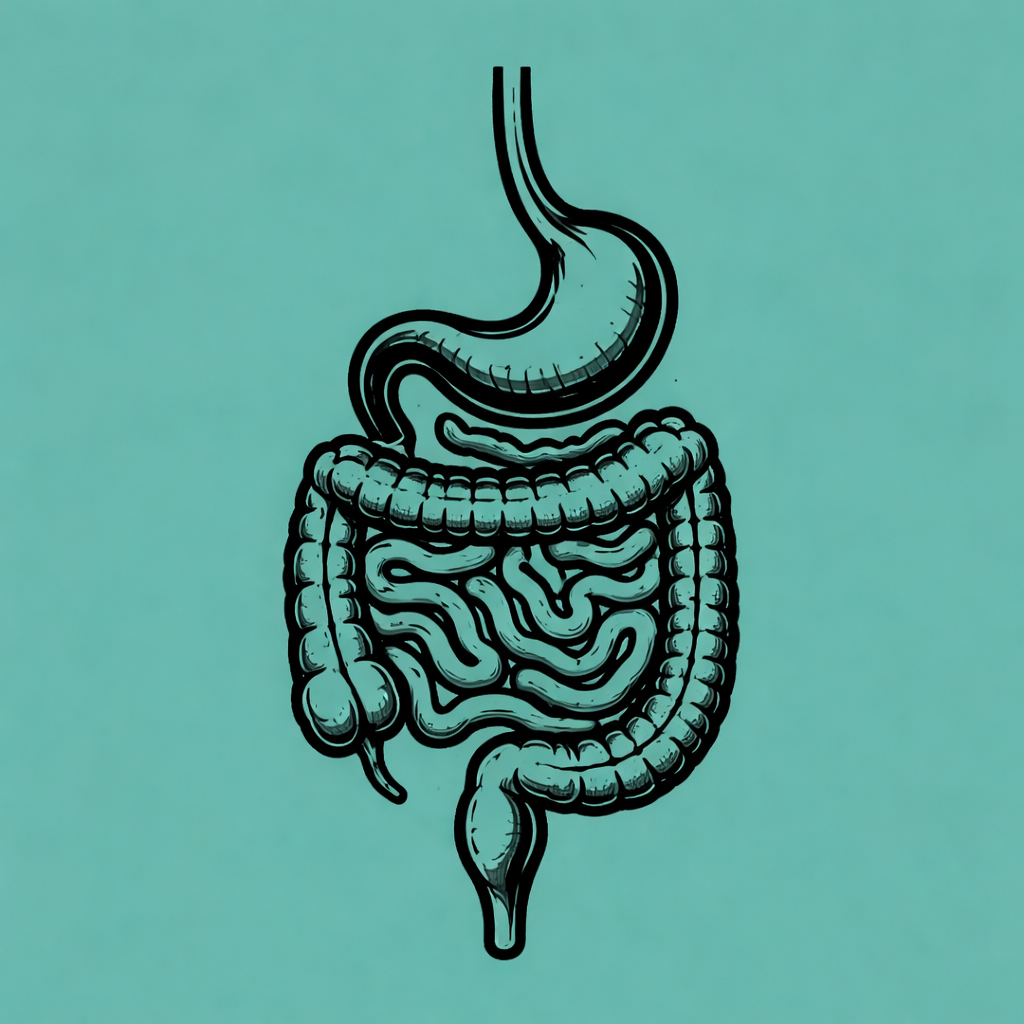
Digestive System - Overview
The digestive system is responsible for breaking down food, absorbing nutrients, and eliminating waste through coordinated mechanical, chemical, neural, and hormonal processes. Understanding how this system functions is essential for recognising common gastrointestinal disorders, interpreting symptoms of malabsorption or motility disturbance, and supporting safe, effective nursing care.
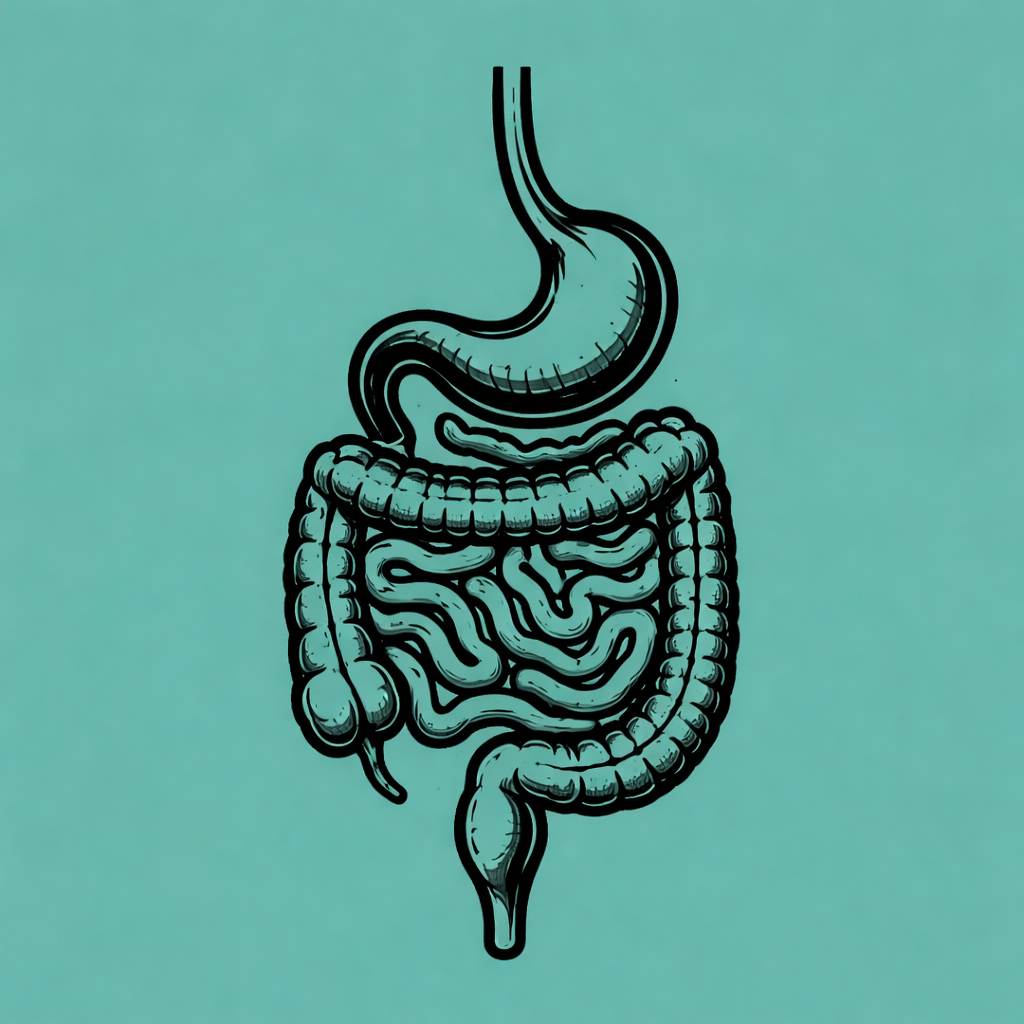
Enteric Nervous System & Hormonal Control of Digestion: Integrated Neural–Endocrine Regulation
The enteric nervous system and gastrointestinal hormones work together to regulate digestion through precise control of secretion, motility, absorption, and blood flow. Understanding this integrated neural–endocrine regulation is essential for explaining normal digestive function and recognising disorders that disrupt coordinated gastrointestinal activity.
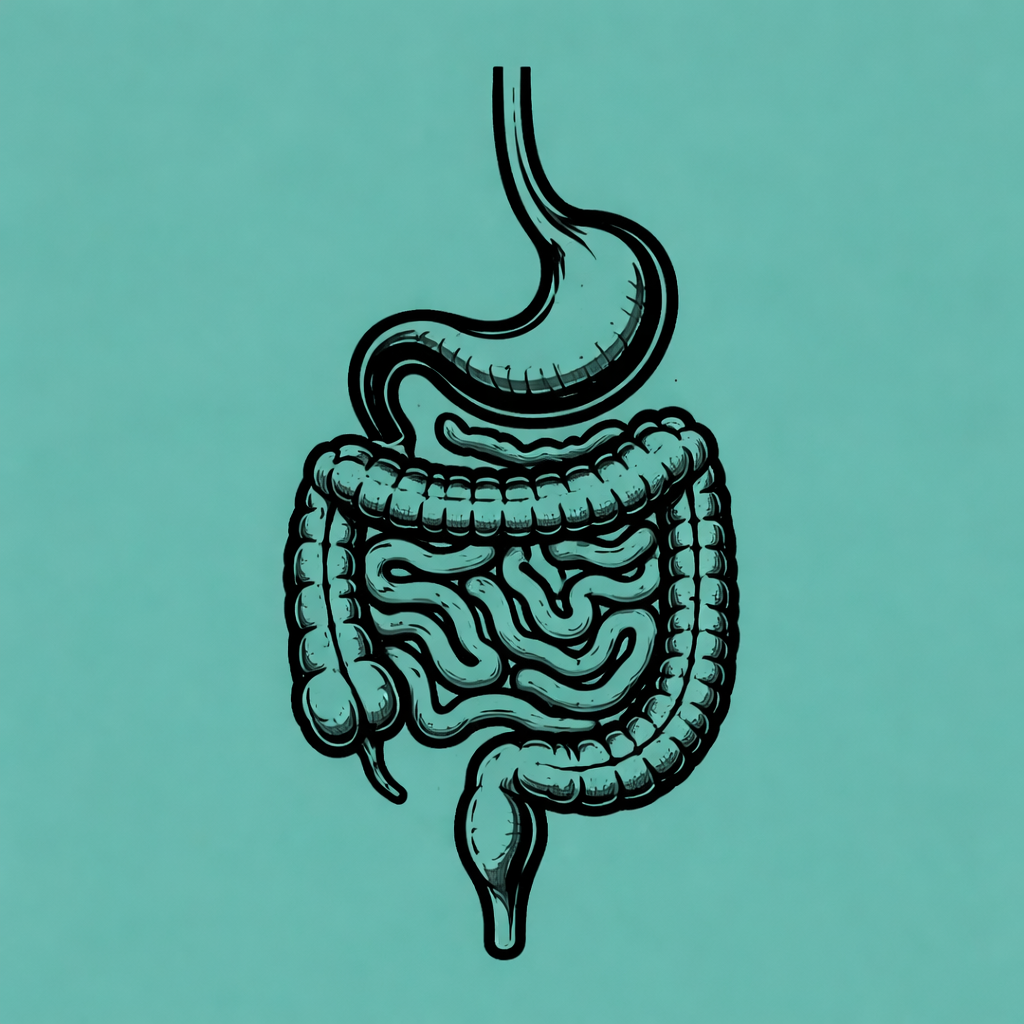
Age-Related Digestive Changes: Structure, Function & Clinical Impact
Age-related digestive changes involve gradual alterations in gastrointestinal structure, secretion, motility, absorption, and neural regulation. Understanding these changes is essential for recognising increased risk of malnutrition, dehydration, medication toxicity, and gastrointestinal complications in older adults.