Benign Prostatic Hyperplasia (BPH)
Benign prostatic hyperplasia is a non-malignant enlargement of the prostate that causes progressive bladder outlet obstruction and lower urinary tract symptoms. Understanding its pathophysiology is essential for explaining gradual symptom progression, worsening obstruction over time, and the development of bladder and renal complications despite the absence of cancer.
Testicular Torsion: Spermatic Cord Rotation, Ischaemia, and Testicular Infarction
Testicular torsion is an acute urological emergency caused by rotation of the spermatic cord, leading to testicular ischaemia and risk of infarction. Understanding its pathophysiology is essential for recognising sudden severe pain, appreciating time-critical management, and preserving testicular viability through rapid intervention.
Prostate Cancer: Malignant Prostatic Cell Growth, Local Invasion, and Metastatic Spread
Prostate cancer is a malignancy of prostatic epithelial cells characterised by uncontrolled growth with potential for local invasion and metastatic spread. Understanding its pathophysiology is essential for explaining silent early disease, late-onset urinary symptoms, and the prominence of metastatic complications in advanced stages.
Cervical Cancer: HPV-Driven Dysplasia, Malignant Transformation, and Local Invasion
Cervical cancer is a malignancy of the cervical epithelium most commonly caused by persistent high-risk HPV infection, progressing from dysplasia to invasive disease. Understanding its pathophysiology is essential for explaining prolonged asymptomatic phases, the effectiveness of screening, and the mechanisms behind advanced local invasion and bleeding.
Polycystic Ovary Syndrome (PCOS)
Polycystic ovary syndrome is a complex endocrine disorder involving chronic ovulatory dysfunction, hyperandrogenism, and metabolic dysregulation. Understanding its pathophysiology is essential for explaining the coexistence of reproductive, dermatological, and metabolic features and guiding holistic management beyond menstrual regulation alone.
Ectopic Pregnancy
Ectopic pregnancy is a time-critical condition in which a fertilised ovum implants outside the uterine cavity, most commonly in the fallopian tube. Understanding its pathophysiology is essential for recognising subtle early symptoms, anticipating sudden rupture, and preventing life-threatening haemorrhage and maternal morbidity.
Ovarian Torsion: Adnexal Rotation, Ischaemia, and Ovarian Necrosis
Ovarian torsion is an acute gynaecological emergency caused by rotation of the ovary and adnexa, leading to venous obstruction, arterial compromise, and progressive ovarian ischaemia. Understanding its pathophysiology is essential for recognising sudden severe pain, interpreting early diagnostic uncertainty, and prioritising rapid intervention to prevent ovarian necrosis.
Pelvic Inflammatory Disease (PID)
Pelvic inflammatory disease is an ascending infection of the female upper genital tract that causes inflammation of the uterus, fallopian tubes, ovaries, and surrounding pelvic structures. Understanding its pathophysiology is essential for recognising varied clinical presentations, preventing long-term complications such as infertility, and initiating early treatment to minimise permanent reproductive damage.
Pre-eclampsia: Abnormal Placentation, Endothelial Dysfunction, and Multisystem Disease
Pre-eclampsia is a pregnancy-specific multisystem disorder driven by abnormal placentation and widespread endothelial dysfunction, presenting with hypertension and organ involvement after mid-pregnancy. Understanding its pathophysiology is essential for recognising rapid maternal deterioration, anticipating multisystem complications, and appreciating why placental delivery is the only definitive treatment.
HELLP Syndrome: Microangiopathic Haemolysis, Hepatic Injury, and Coagulopathy in Pregnancy
HELLP syndrome is a severe pregnancy-related condition marked by haemolysis, hepatic injury, and thrombocytopenia due to widespread endothelial and microvascular dysfunction. Understanding its pathophysiology is essential for recognising rapid deterioration, interpreting early laboratory abnormalities, and preventing serious maternal morbidity through timely delivery.
Gestational Diabetes Mellitus (GDM)
Gestational diabetes mellitus is a pregnancy-related glucose intolerance caused by increasing insulin resistance that exceeds maternal pancreatic compensation. Understanding its pathophysiology is essential for explaining progressive hyperglycaemia, anticipating fetal complications, and recognising ongoing metabolic risk despite postnatal resolution.
Menstrual Cycle Disorders: Disrupted Hormonal Cycles, Endometrial Dysfunction, and Abnormal Bleeding
Menstrual cycle disorders arise from disrupted hormonal regulation, endometrial dysfunction, or ovarian impairment, leading to abnormal timing and patterns of menstrual bleeding. Understanding their pathophysiology is essential for interpreting altered bleeding, recognising associated pain or infertility, and identifying underlying endocrine or systemic disease.
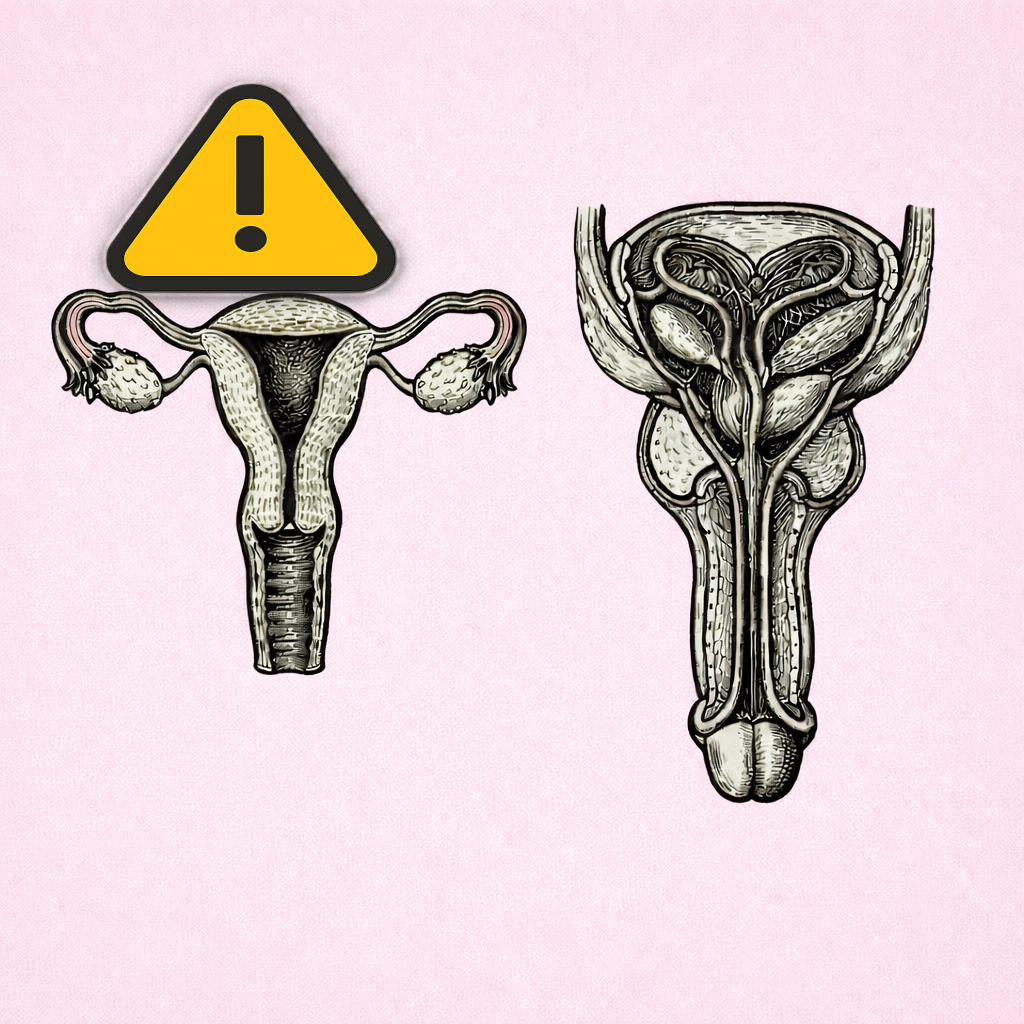
Abnormal Uterine Bleeding (AUB)
Abnormal uterine bleeding is uterine bleeding that is abnormal in volume, timing, regularity, or duration due to disrupted endometrial regulation and haemostasis. Understanding its pathophysiology is essential for explaining varied bleeding patterns, interpreting normal investigations despite symptoms, and guiding management based on underlying mechanisms rather than bleeding severity alone.
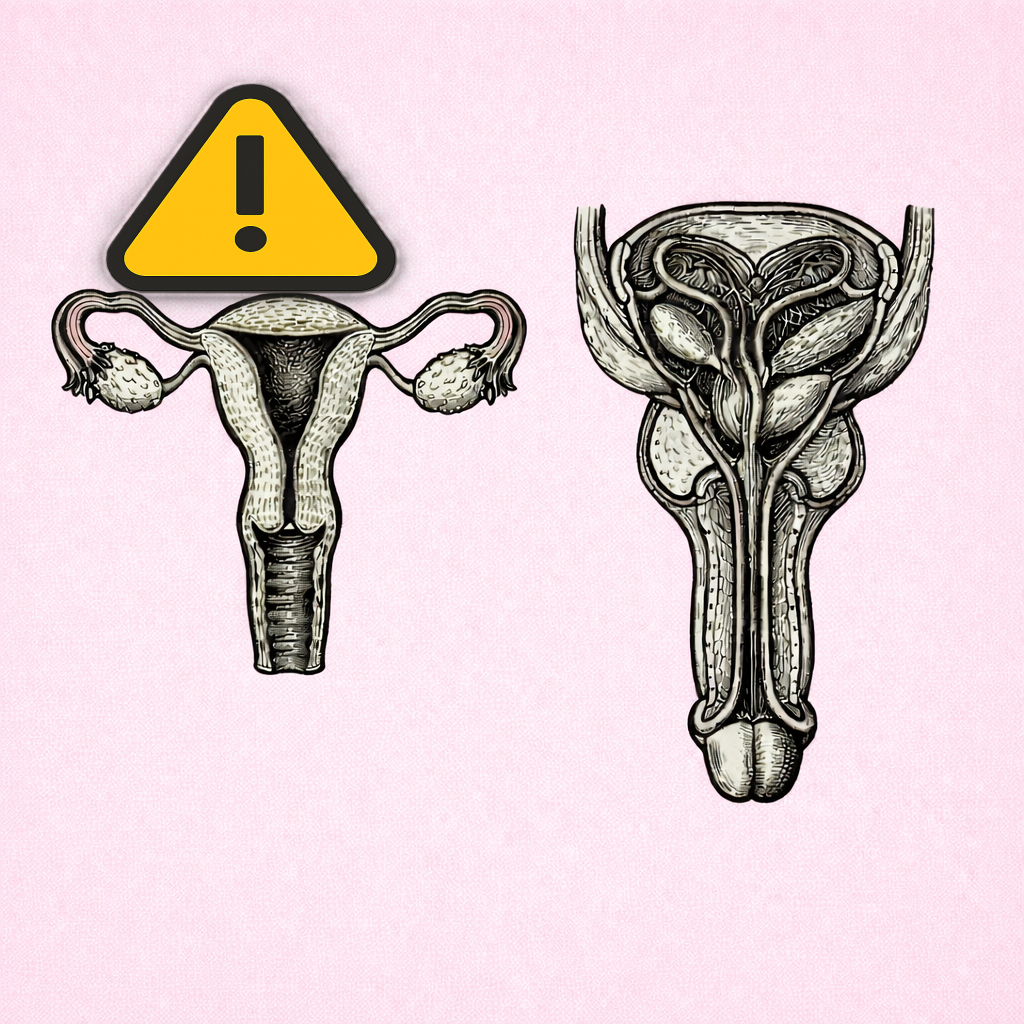
Endometriosis: Ectopic Endometrial Tissue, Chronic Inflammation, and Pelvic Pain
Endometriosis is a chronic inflammatory condition caused by ectopic endometrial-like tissue that drives persistent inflammation, fibrosis, and pelvic pain. Understanding its pathophysiology is essential for explaining severe symptoms despite normal imaging, variable pain patterns, and the significant impact on fertility and quality of life.