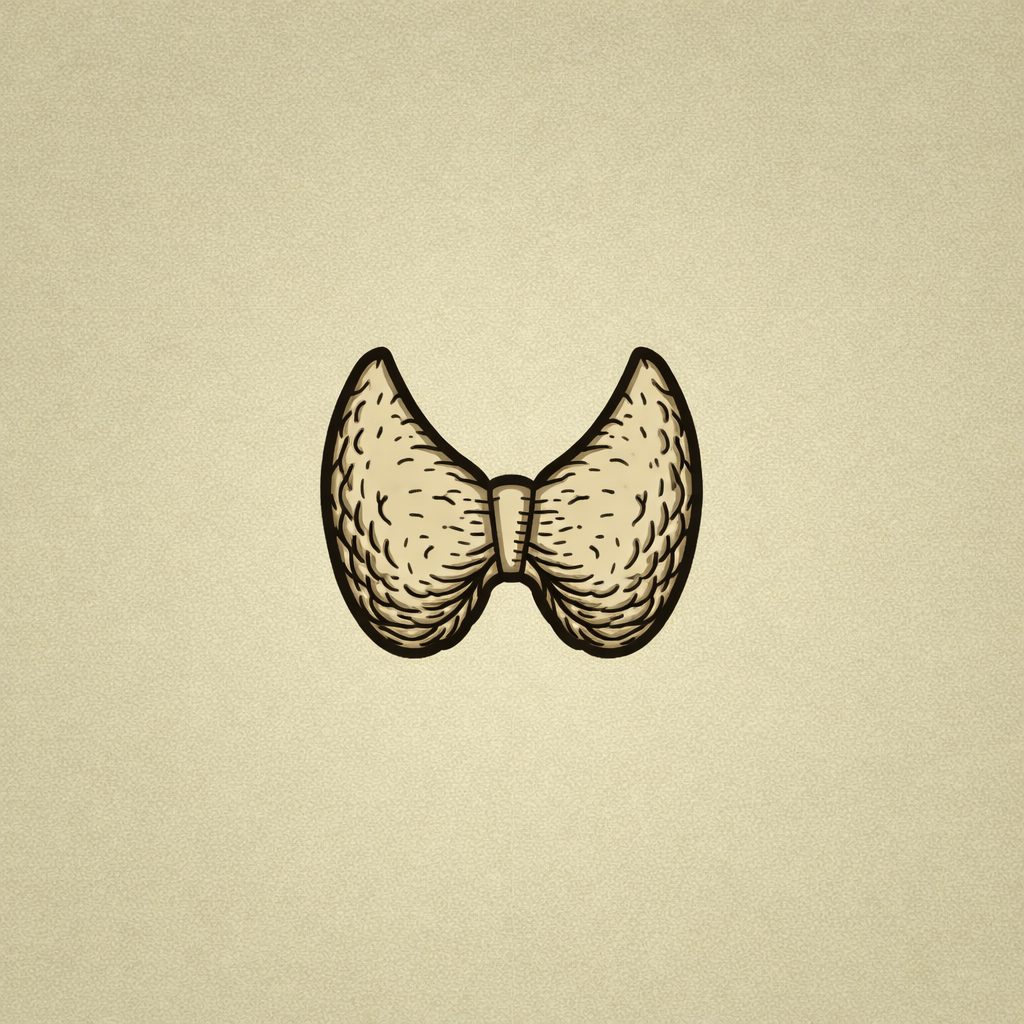
The Parathyroid Glands: Calcium Regulation, Hormone Secretion and Structural Specialisation
The parathyroid glands are endocrine organs responsible for regulating calcium and phosphate balance through the secretion of parathyroid hormone. Understanding their structure and function is essential for recognising disorders of calcium homeostasis, bone metabolism, and neuromuscular stability.
The Adrenal Cortex
The adrenal cortex is the hormone-producing outer layer of the adrenal gland, responsible for synthesising mineralocorticoids, glucocorticoids, and adrenal androgens. Understanding its zonal organisation and regulation is essential for recognising disorders that disrupt blood pressure, metabolism, electrolyte balance, immunity, and the physiological stress response.
The Adrenal Medulla: Catecholamine Secretion and the Sympathetic Stress Response
The adrenal medulla is a neuroendocrine tissue that releases catecholamines to support the body’s rapid sympathetic stress response. Understanding its function is essential for explaining acute cardiovascular and metabolic changes during stress, exertion, and emergency states.
Endocrine Pancreas: Islet Structure, Cell Types and Microvascular Organisation
The endocrine pancreas consists of specialised islet cells that regulate blood glucose, energy storage, and metabolic balance through coordinated hormone secretion. Understanding islet structure and cell function is essential for explaining glucose homeostasis and recognising disorders such as diabetes mellitus and metabolic instability.
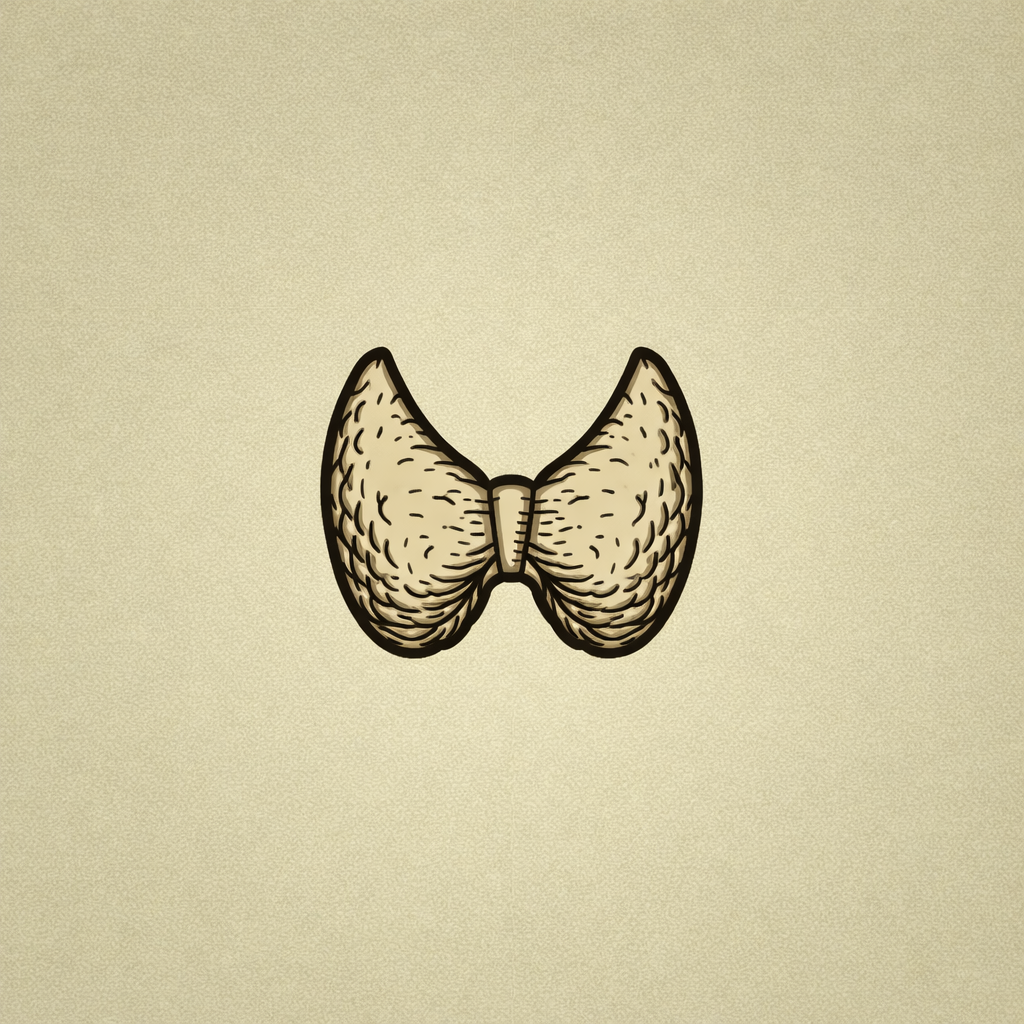
The Endocrine System - Overview
The endocrine system is a network of glands and tissues that regulate body functions through the release of hormones into the bloodstream. Understanding how this system operates is essential for recognising hormonal disturbances that affect metabolism, fluid balance, blood pressure, energy levels, and overall physiological stability.
Insulin: Synthesis, Secretion and Metabolic Regulation
Insulin is the body’s primary anabolic hormone, responsible for regulating glucose uptake, energy storage, and metabolic balance. Understanding how insulin is synthesised and regulated is essential for explaining normal metabolism and the pathophysiology of diabetes and related metabolic disorders.
Glucagon: Counter-Regulatory Hormone, Metabolic Mobilisation and Fasting Physiology
Glucagon is a counter-regulatory hormone that raises blood glucose by mobilising stored energy during fasting and metabolic stress. Understanding glucagon’s actions is essential for explaining glucose homeostasis, fasting physiology, and the metabolic disturbances seen in diabetes and critical illness.