Acute Tubular Necrosis (ATN): Ischaemic and Toxic Tubular Injury in Acute Kidney Failure
Acute tubular necrosis is an intrinsic cause of acute kidney injury resulting from ischaemic or toxic damage to renal tubular epithelial cells. Understanding its pathophysiology is essential for explaining delayed renal recovery, characteristic urine changes, and the phased nature of kidney function restoration after injury.
Glomerulonephritis: Immune-Mediated Glomerular Inflammation and Filtration Failure
Glomerulonephritis is a group of immune-mediated conditions that cause inflammation and injury of the glomeruli, leading to impaired filtration and abnormal loss of blood and protein in the urine. Understanding its pathophysiology is essential for interpreting early urine changes, recognising fluid and blood pressure disturbances, and appreciating the role of immune activity in progressive kidney damage.
Post-renal Acute Kidney Injury: Obstruction & Back Pressure
Post-renal acute kidney injury results from obstruction to urine outflow, causing back-pressure within the kidneys and reduced glomerular filtration. Understanding its pathophysiology is essential for recognising reversible causes of AKI, identifying the need for urgent relief of obstruction, and preventing permanent renal damage.
Hyperkalaemia: Pathophysiology & Cardiac Instability in Renal Failure
Hyperkalaemia is a dangerous electrolyte imbalance marked by elevated serum potassium, most often due to reduced renal excretion, with significant effects on neuromuscular and cardiac function. Understanding its pathophysiology is essential for recognising rapid onset, anticipating life-threatening arrhythmias, and responding promptly to prevent cardiac instability.
Metabolic Acidosis: Renal Pathophysiology of Acid Retention, Buffer Failure, and Systemic Instability
Metabolic acidosis is an acid–base disorder caused by hydrogen ion accumulation or bicarbonate loss, commonly due to impaired renal acid excretion. Understanding its pathophysiology is essential for explaining rapid onset in kidney dysfunction, recognising compensatory responses, and preventing systemic instability affecting cardiovascular and neuromuscular function.
Uraemia: Toxin Accumulation and Multisystem Dysfunction in Renal Failure
Uraemia is a clinical syndrome caused by accumulation of metabolic toxins due to advanced renal failure, resulting in widespread multisystem dysfunction. Understanding its pathophysiology is essential for recognising non-specific systemic symptoms and appreciating uraemia as a state of global toxicity rather than an isolated biochemical abnormality.
Chronic Kidney Disease (CKD): Pathophysiology of Progressive Nephron Loss
Chronic kidney disease is a progressive, irreversible loss of nephron function leading to sustained impairment of filtration, regulation, and endocrine activity. Understanding its pathophysiology is essential for explaining silent early disease, multisystem complications, and continued progression despite removal of the initial injury.
CKD–Mineral and Bone Disorder: Disordered Calcium, Phosphate, and Bone Metabolism
Chronic kidney disease–mineral and bone disorder is a systemic complication of chronic kidney disease involving disrupted calcium, phosphate, vitamin D, and parathyroid hormone regulation. Understanding its pathophysiology is essential for explaining early bone fragility, high fracture risk despite bone density, and the link between mineral imbalance and cardiovascular disease.
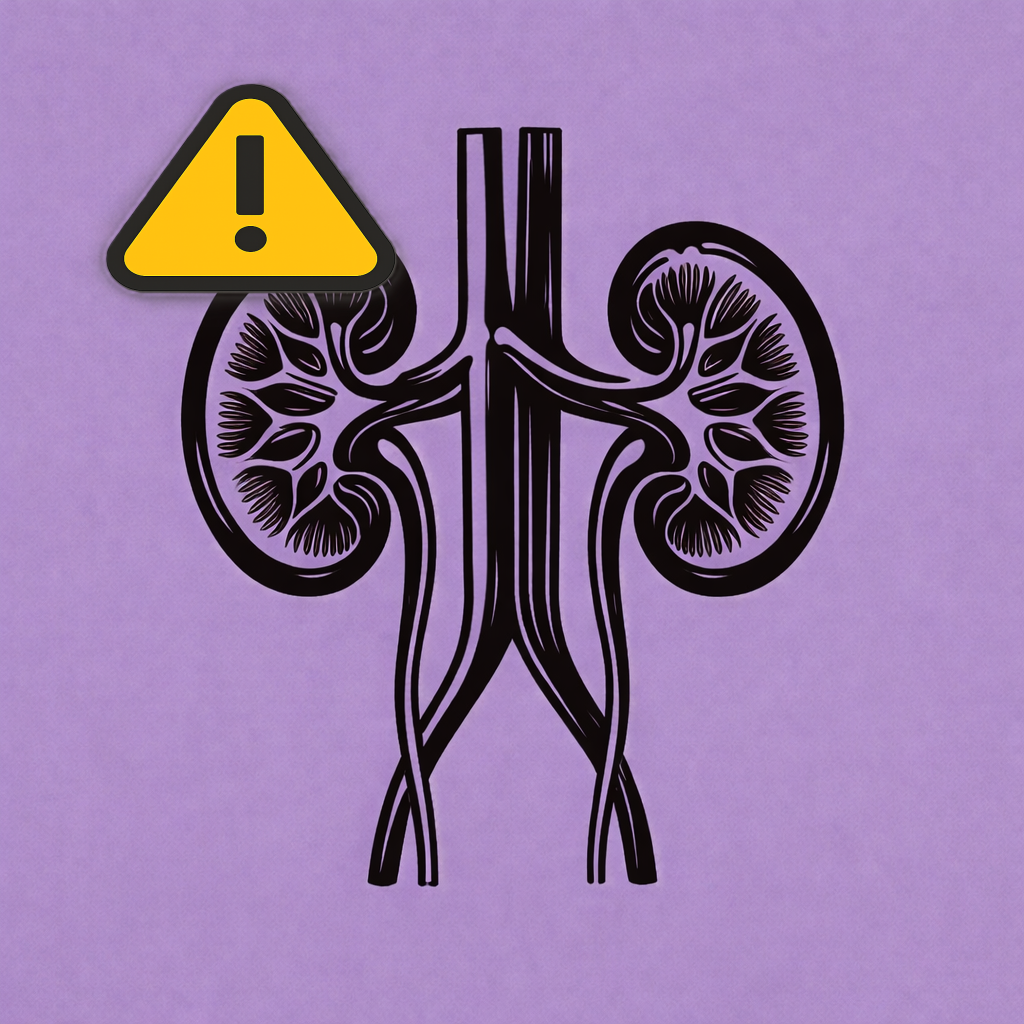
CKD & Anaemia: Reduced Erythropoiesis, Chronic Inflammation, and Tissue Hypoxia
Anaemia of chronic kidney disease results from reduced erythropoietin production and chronic inflammation, causing impaired erythropoiesis and tissue hypoxia. Understanding its pathophysiology is essential for explaining early haemoglobin decline, disproportionate symptoms, and the need for treatment beyond iron replacement alone.
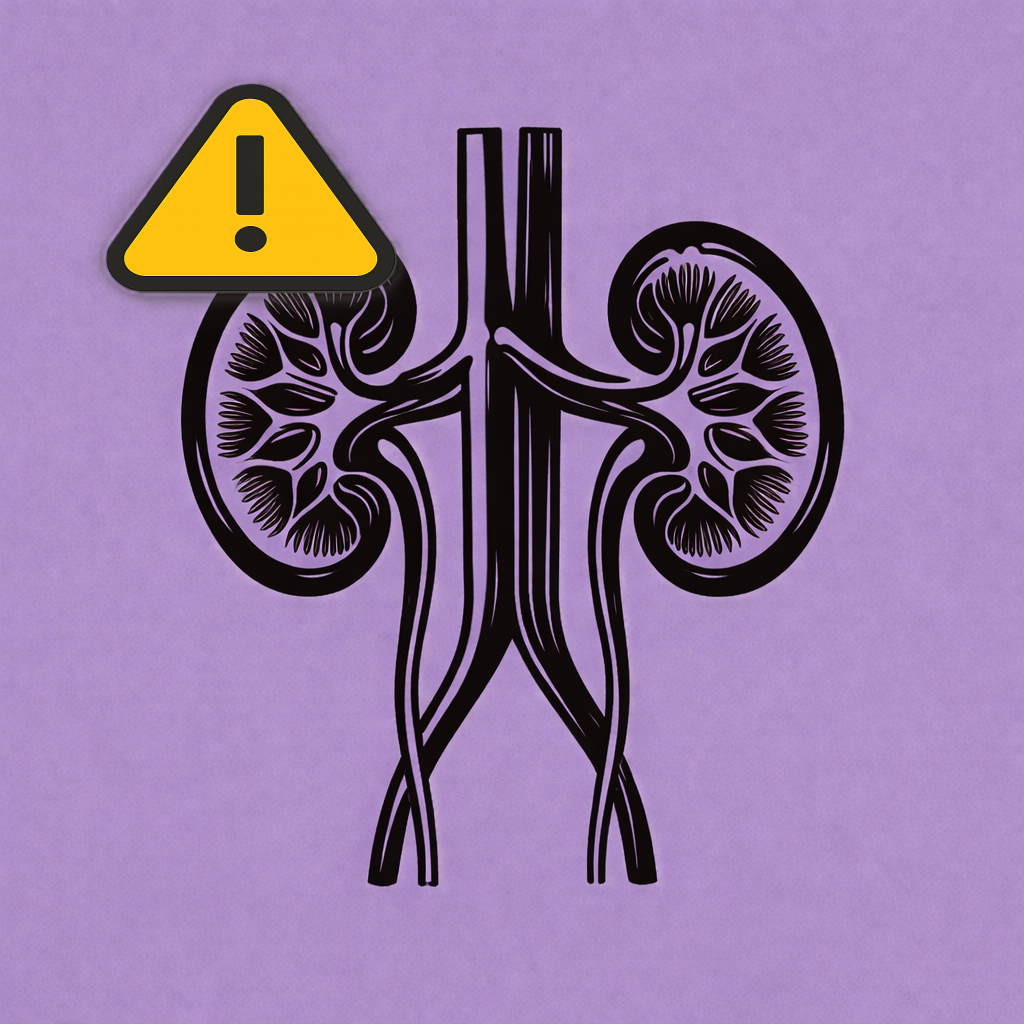
Pyelonephritis: Upper Urinary Tract Infection and Renal Parenchymal Inflammation
Pyelonephritis is an upper urinary tract infection involving the renal pelvis and parenchyma, causing inflammation, tissue injury, and impaired kidney function. Understanding its pathophysiology is essential for recognising severe presentations, preventing rapid renal deterioration, and reducing the risk of permanent kidney damage with timely treatment.
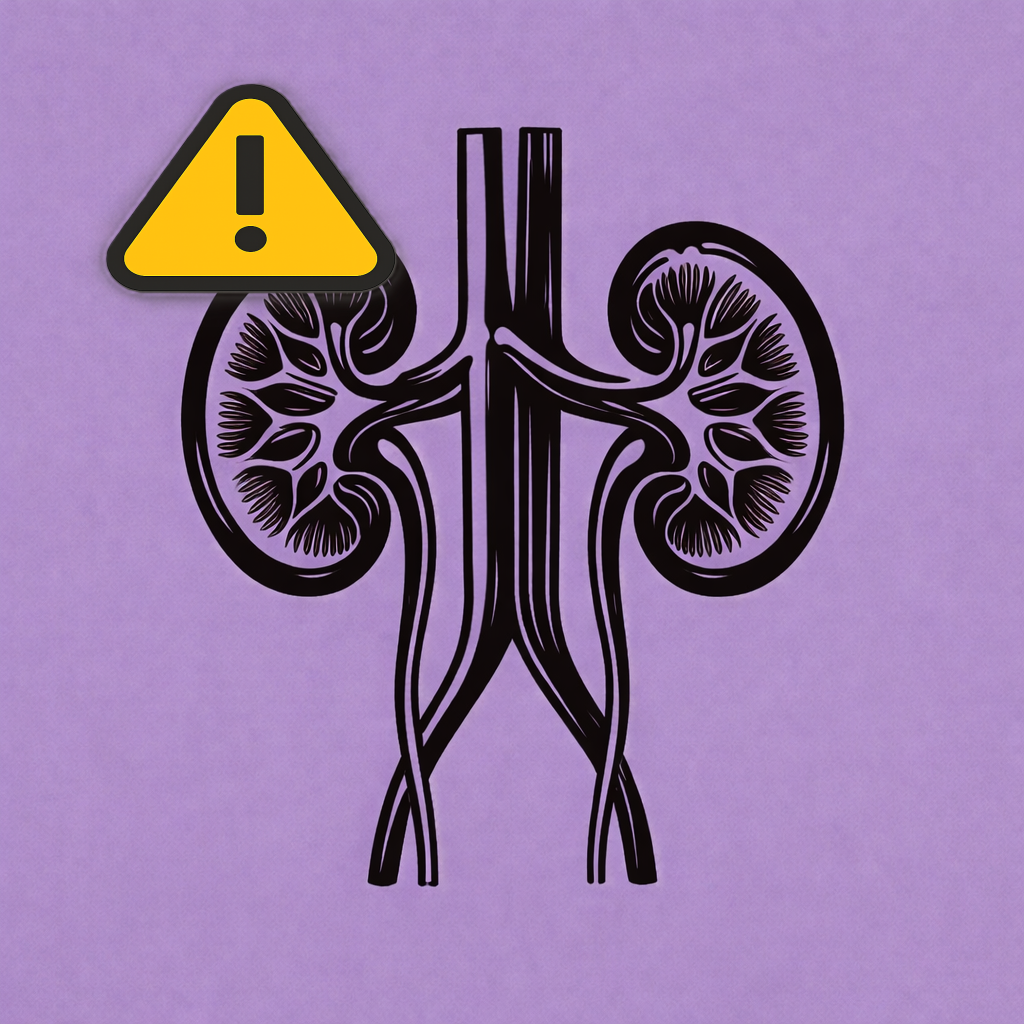
Acute Kidney Injury (AKI)
Acute kidney injury is a sudden decline in renal function that disrupts fluid, electrolyte, acid–base regulation, and waste excretion. Understanding its pathophysiology is essential for recognising rapid onset, anticipating early systemic effects, and preventing progression to multisystem instability.
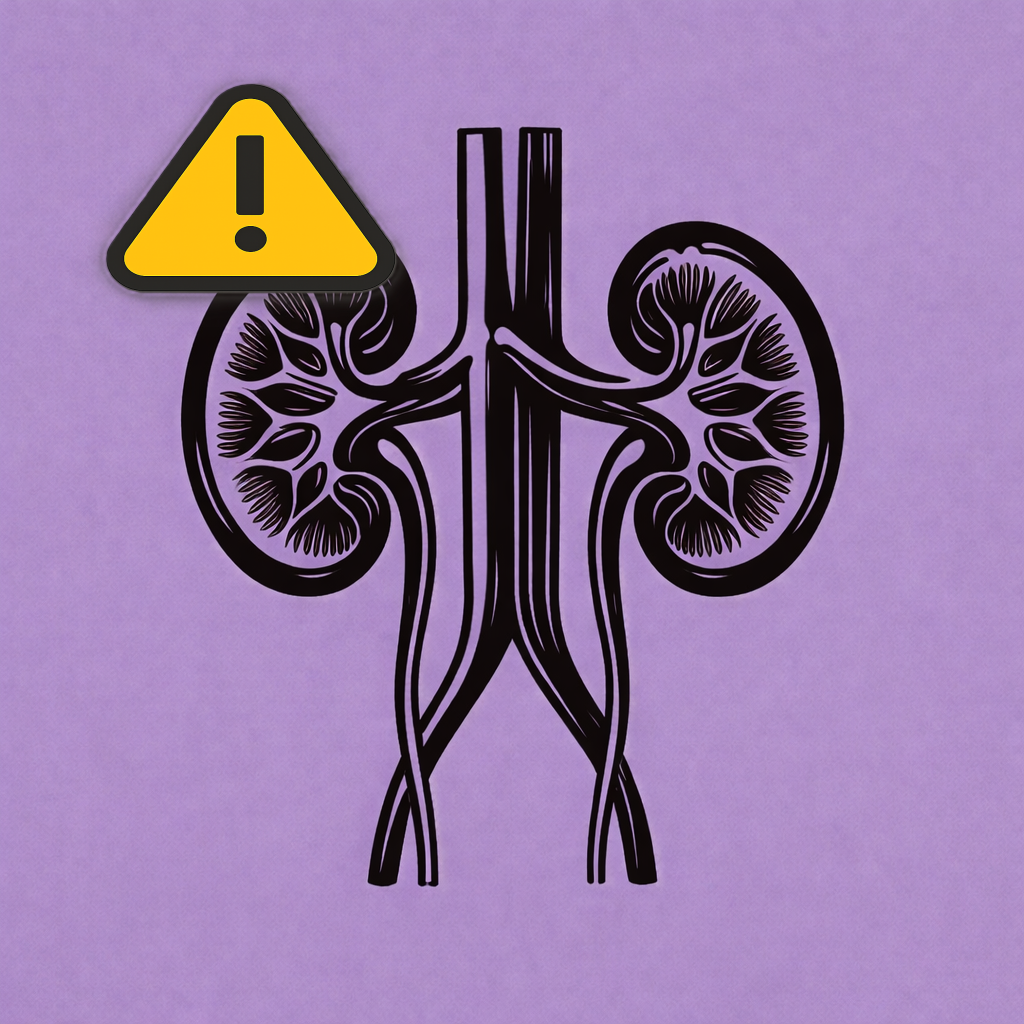
Pre-renal Acute Kidney Injury: Perfusion Failure
Pre-renal acute kidney injury occurs when inadequate renal perfusion reduces glomerular filtration without initial structural kidney damage. Understanding its pathophysiology is essential for recognising reversible causes, intervening early to restore function, and preventing progression to intrinsic renal injury.
Intrinsic Acute Kidney Injury: Structural Nephron Injury
Intrinsic acute kidney injury is caused by direct structural damage to nephron components, leading to sustained impairment of renal function. Understanding its pathophysiology is essential for explaining persistent dysfunction despite restored perfusion, interpreting urine abnormalities, and anticipating recovery based on cellular repair rather than haemodynamic correction alone.