Proprioception & Stretch Reflexes
Proprioception and stretch reflexes describe how the nervous system senses body position, movement, and muscle tension through specialised receptors in muscles and tendons. Understanding these mechanisms is essential for explaining coordination, posture, reflex activity, and movement control in both normal function and neurological disease.
The Neuromuscular Junction: Structure, Signal Transmission & Control of Contraction
The neuromuscular junction is the specialised synapse where motor neurons transmit signals to skeletal muscle fibres to initiate contraction. Understanding how this interface functions is essential for recognising causes of muscle weakness, paralysis, and disorders affecting movement and respiration.
Bone Tissue Structure: Composition, Organisation & Mechanical Strength
Bone tissue is a dynamic connective tissue composed of mineral and organic components that provide strength, support, and protection. Understanding its microscopic structure is essential for explaining bone strength, fracture risk, healing, and structural changes seen with ageing and disease.
The Axial and Appendicular Skeleton: Organisation & Function
The axial and appendicular skeletons are the two structural divisions of the human skeleton, each with distinct roles in support, protection, and movement. Understanding their organisation is essential for interpreting posture, movement mechanics, injury patterns, and musculoskeletal disease.
Joint Structure & Types: Fibrous, Cartilaginous & Synovial Joints
Joints are the anatomical connections between bones that determine the degree of movement and stability within the skeleton. Understanding how joint structure relates to function is essential for interpreting normal movement, recognising injury patterns, and understanding the development of joint disease.
Skeletal Muscle: Organisation, Specialised Proteins & Functional Design
Skeletal muscle microscopic structure describes the organised arrangement of muscle fibres, myofibrils, and specialised contractile proteins that enable force generation. Understanding this structure is essential for explaining how muscles contract efficiently and how disruption at the cellular level leads to weakness, fatigue, and neuromuscular disease.
Sliding Filament Theory: The Molecular Mechanism of Muscle Contraction
The sliding filament theory describes the molecular process by which skeletal muscle fibres generate force through interactions between contractile proteins. Understanding this mechanism is essential for explaining normal muscle contraction, fatigue, weakness, and the effects of neuromuscular and anaesthetic drugs.
Motor Unit Recruitment, Force Production & Muscle Fatigue
Motor unit recruitment explains how skeletal muscle adjusts force output through the coordinated activation of motor neurons and muscle fibres. Understanding this process is essential for explaining graded movement, muscle fatigue, exercise performance, and weakness seen in neuromuscular disease and rehabilitation.
Muscle Metabolism: Aerobic vs Anaerobic Energy Systems & Performance
Muscle metabolism describes how skeletal muscle generates ATP through aerobic and anaerobic energy systems to support contraction and movement. Understanding how these pathways interact is essential for explaining muscle performance, fatigue, training adaptations, and metabolic limitations in health and disease.
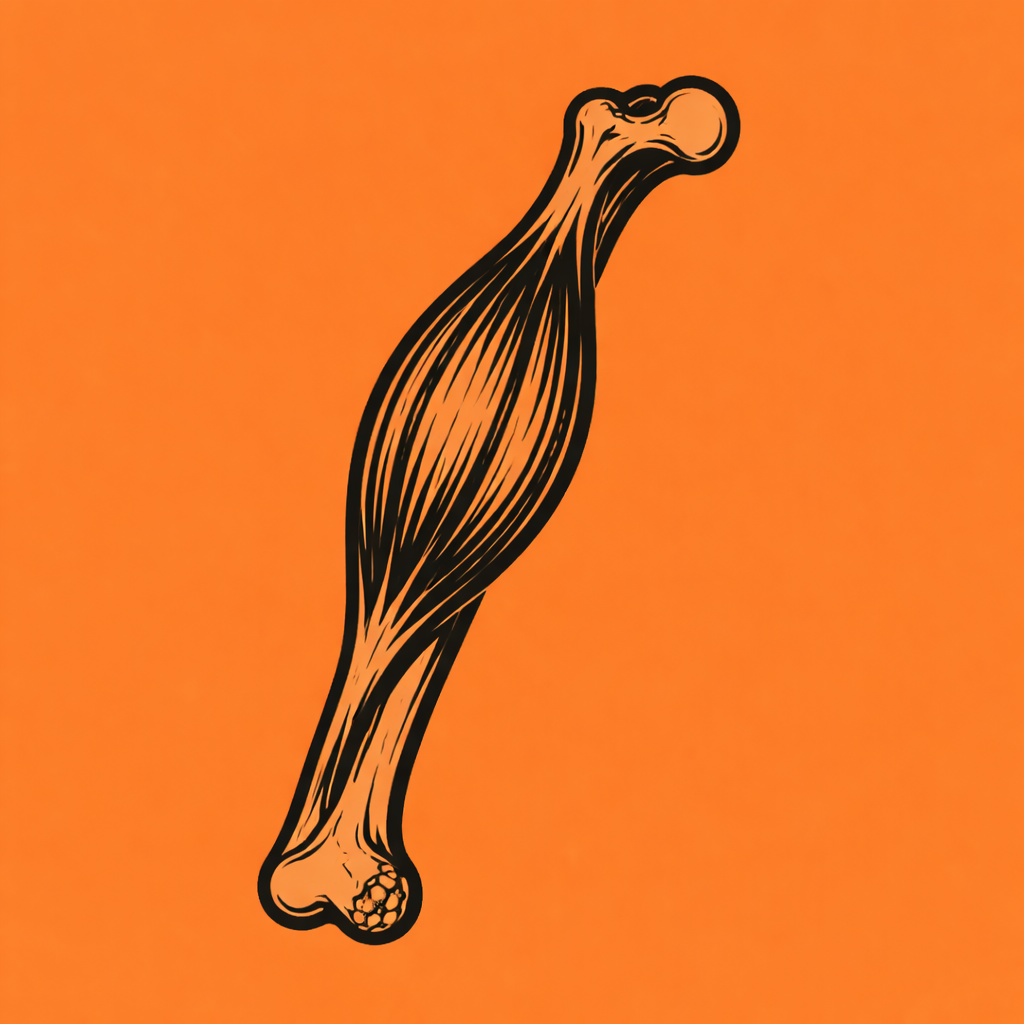
Musculoskeletal System - Overview
The musculoskeletal system is an integrated network of bones, muscles, joints, and connective tissues that provides structure, movement, and protection. Understanding how this system functions is essential for recognising injury, managing mobility impairment, and supporting safe care and rehabilitation in clinical practice.
Posture, Leverage & Biomechanics: How the Body Generates Efficient Movement
Posture, leverage, and biomechanics describe how forces are applied to the musculoskeletal system to produce efficient movement. Understanding these principles is essential for interpreting movement efficiency, identifying causes of pain or injury, and supporting safe rehabilitation and exercise practices.
Age-Related Musculoskeletal Change: Structure, Strength, Mobility & Clinical Impact
Age-related musculoskeletal change refers to the progressive structural and functional alterations that occur in bone, muscle, joints, and connective tissue with ageing. Understanding these changes is essential for recognising increased fracture risk, mobility decline, falls, chronic pain, and altered rehabilitation needs in older adults.