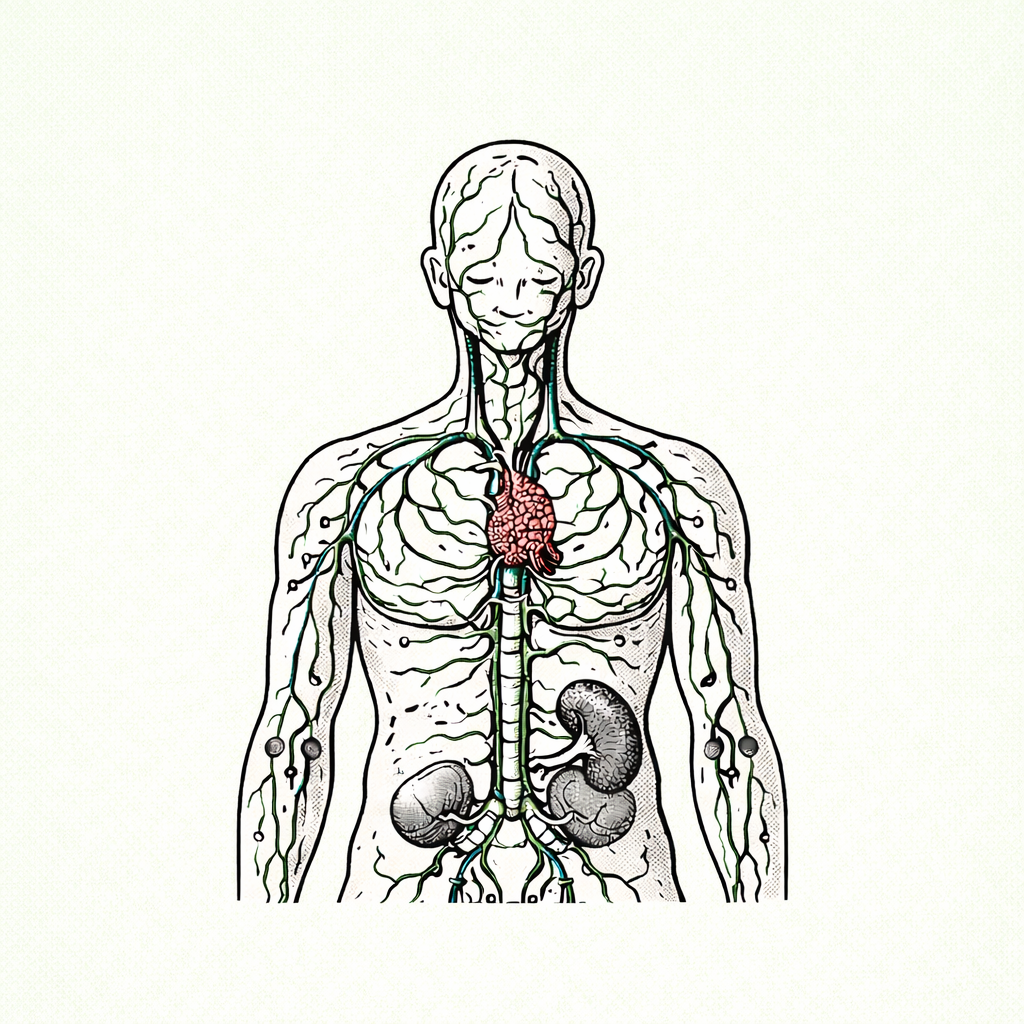
THE SPLEEN: STRUCTURE & FUNCTION
The spleen is the largest lymphatic organ, responsible for filtering blood, removing aged or damaged red blood cells, and monitoring for blood-borne pathogens. Understanding splenic structure and function is essential for interpreting immune defence, haematological abnormalities, and the increased infection risk seen in asplenic or hyposplenic patients.
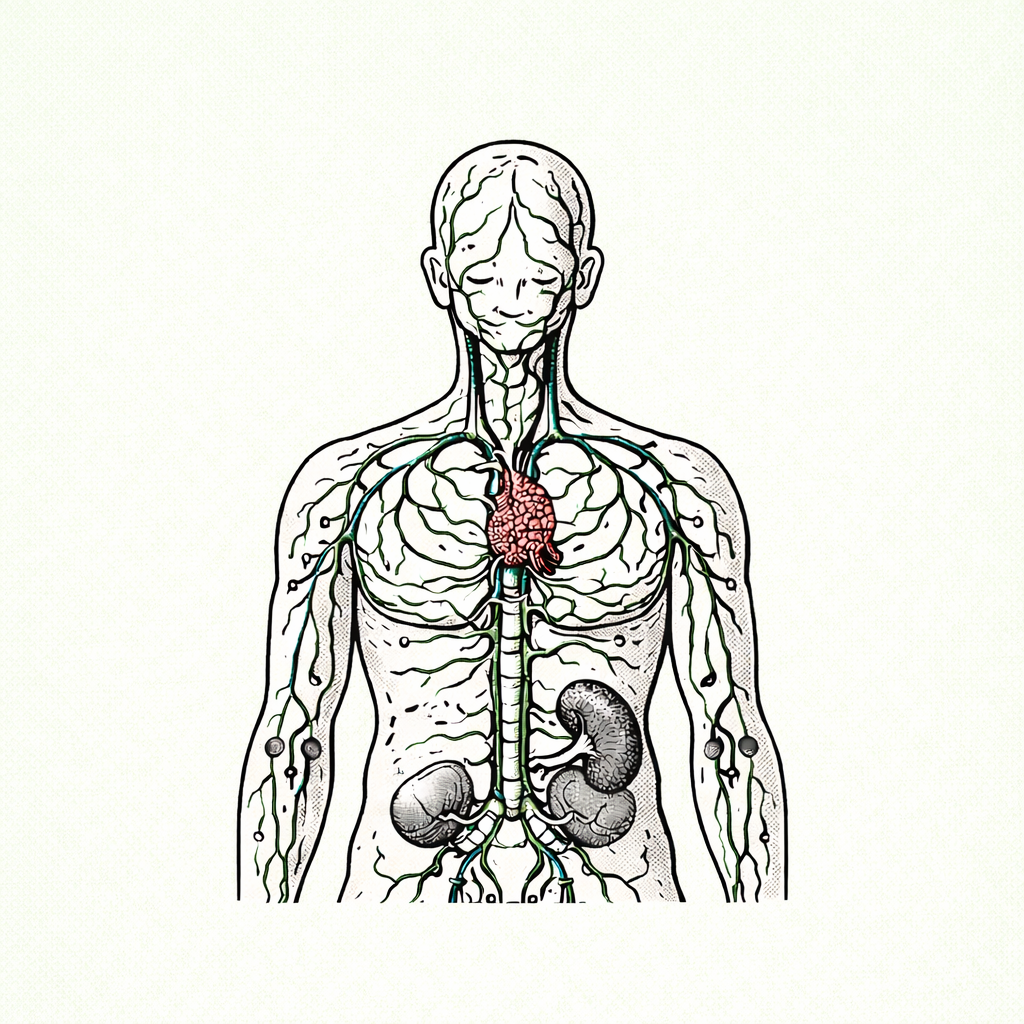
LYMPH FORMATION & RETURN TO CIRCULATION
Lymph formation and return to circulation describe how excess interstitial fluid, proteins and waste products are collected by the lymphatic system and returned to the bloodstream. Understanding this process is essential for explaining fluid balance, oedema formation, immune surveillance and the consequences of lymphatic dysfunction.
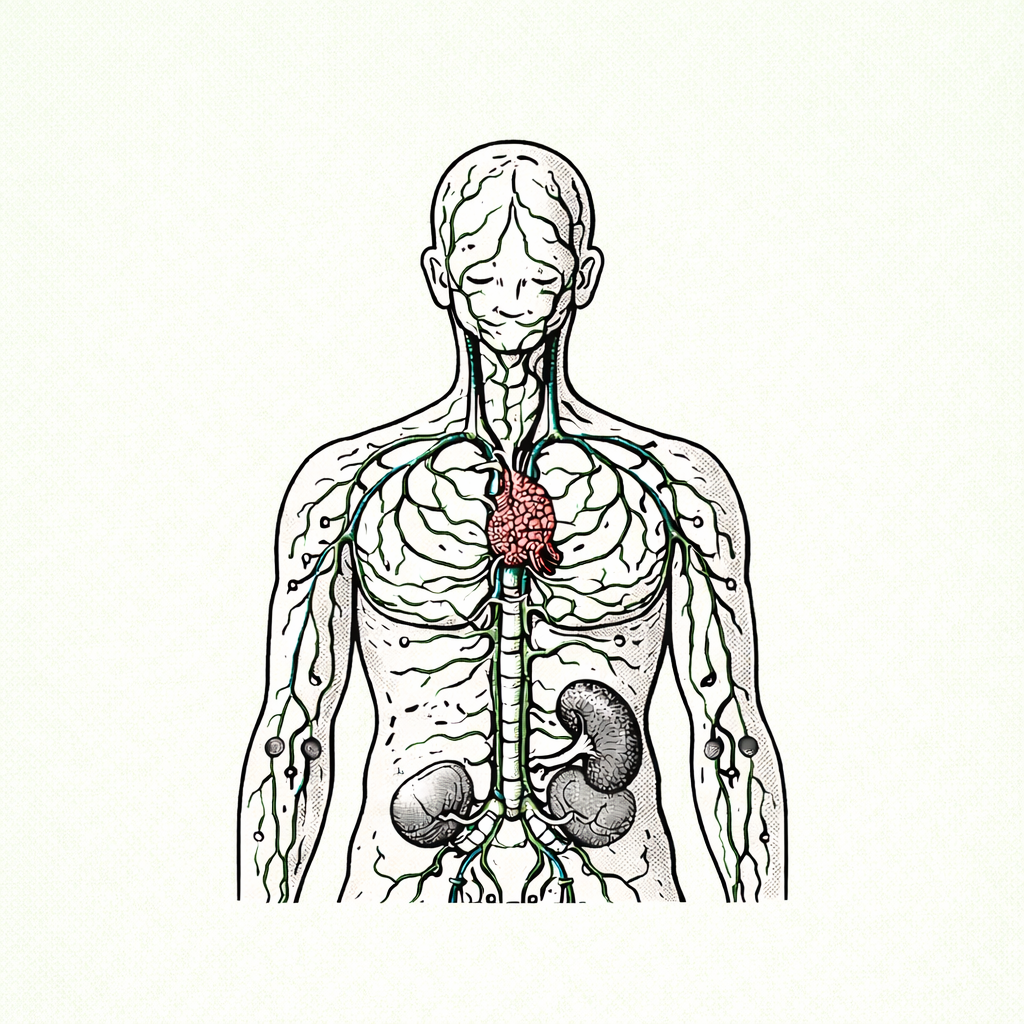
LACTEALS & CHYLE: How the Lymphatic System Absorbs Dietary Lipids in the Small Intestine
Lacteals and chyle describe how the lymphatic system absorbs and transports dietary lipids from the small intestine via specialised lymphatic capillaries. Understanding this process is essential for explaining fat absorption, nutrient transport, and the integration between the digestive and lymphatic systems.
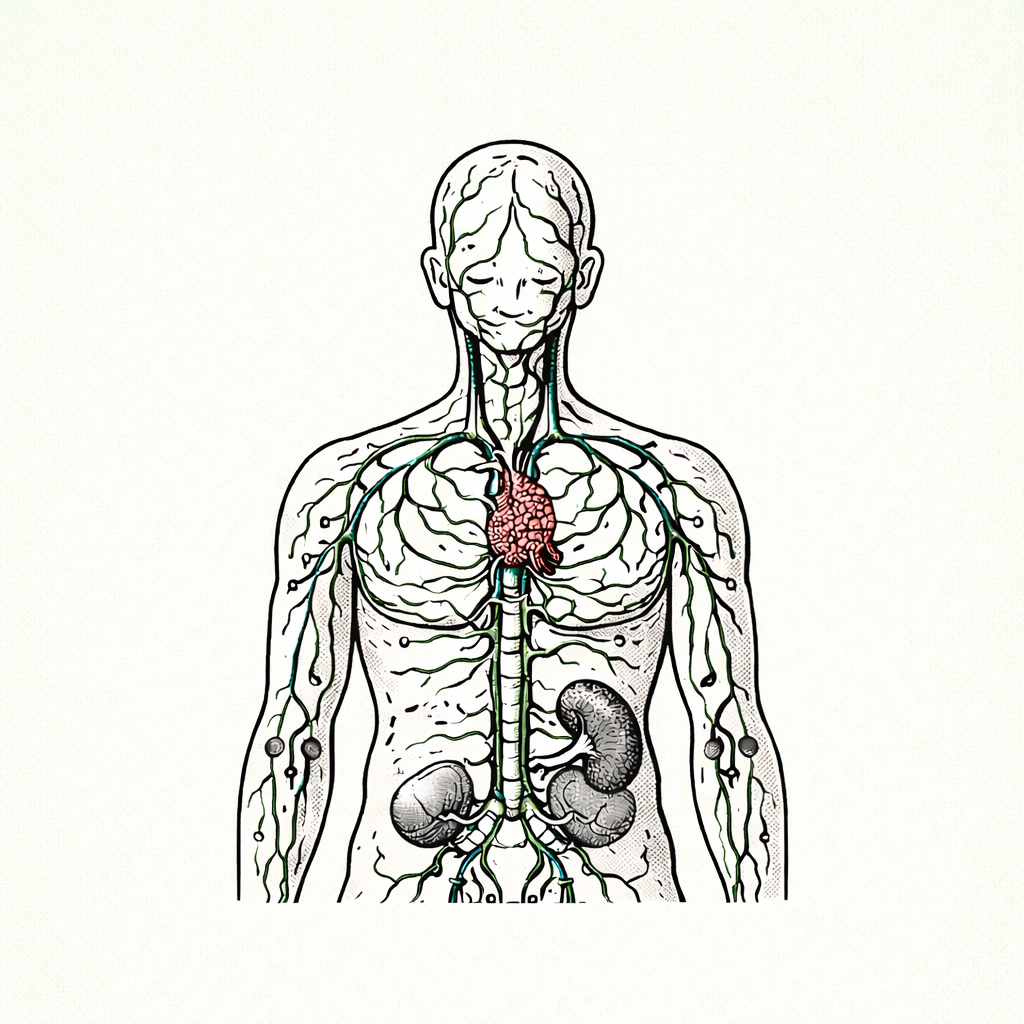
TONSILS: STRUCTURE & FUNCTION
Tonsils are specialised lymphoid tissues located at the entrance of the respiratory and digestive tracts that sample inhaled and ingested pathogens. Understanding their structure and function explains early immune defence, antigen detection, and why tonsils are a key site for recurrent infection and immune activation.
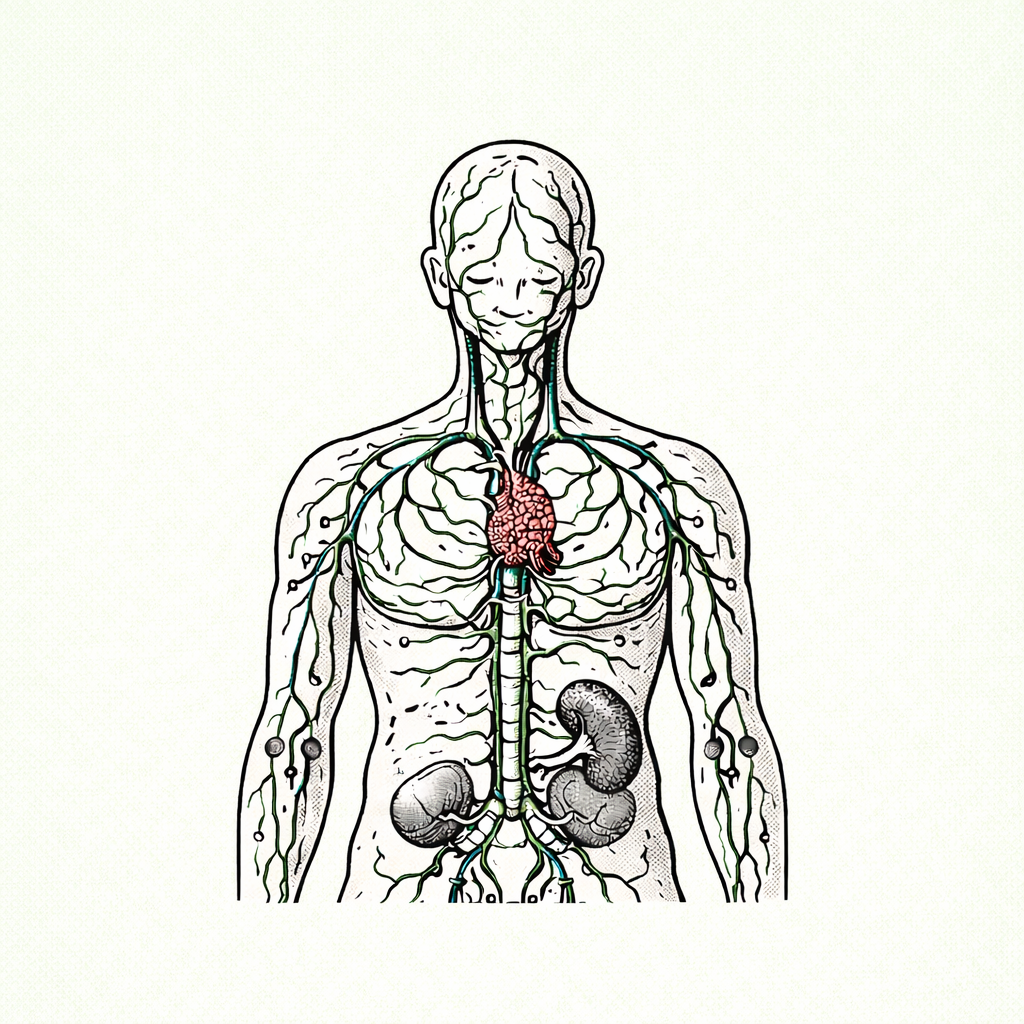
THE THYMUS: Primary Site of T Cell Development, Selection and Immune Maturation
The thymus is a primary lymphoid organ where immature lymphocytes develop into functional T cells capable of recognising foreign antigens while remaining tolerant to self. Understanding thymic function is essential for explaining immune maturation, self-tolerance, immunodeficiency, and the origins of autoimmune disease.
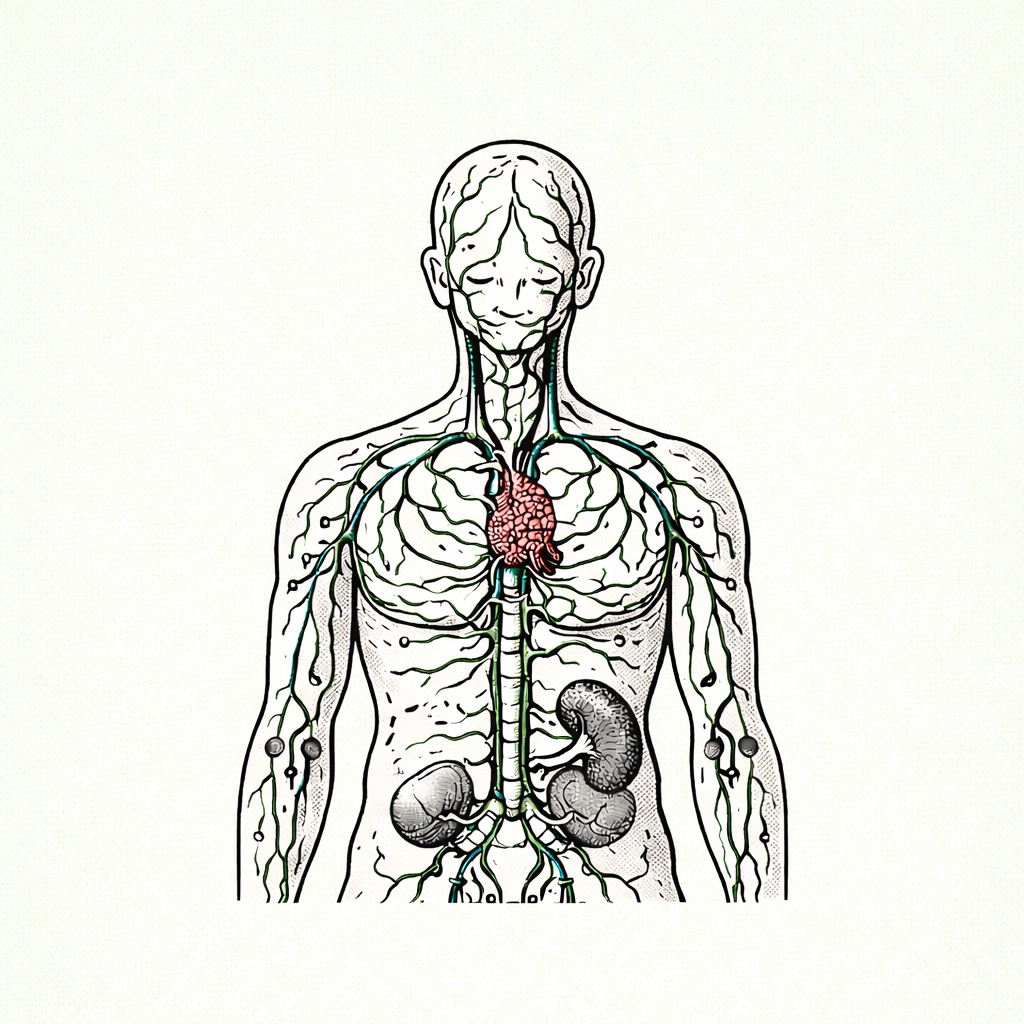
MUCOSA-ASSOCIATED LYMPHOID TISSUE (MALT): Diffuse Immune Protection at the Body’s Mucosal Surfaces
Mucosa-associated lymphoid tissue (MALT) is a diffuse network of immune cells embedded within the mucosal surfaces of the respiratory, gastrointestinal and genitourinary tracts that provides local immune surveillance at major entry points for pathogens. Understanding MALT is essential for explaining how the immune system balances rapid protection against infection with tolerance to food antigens, commensal microbes and environmental exposure.
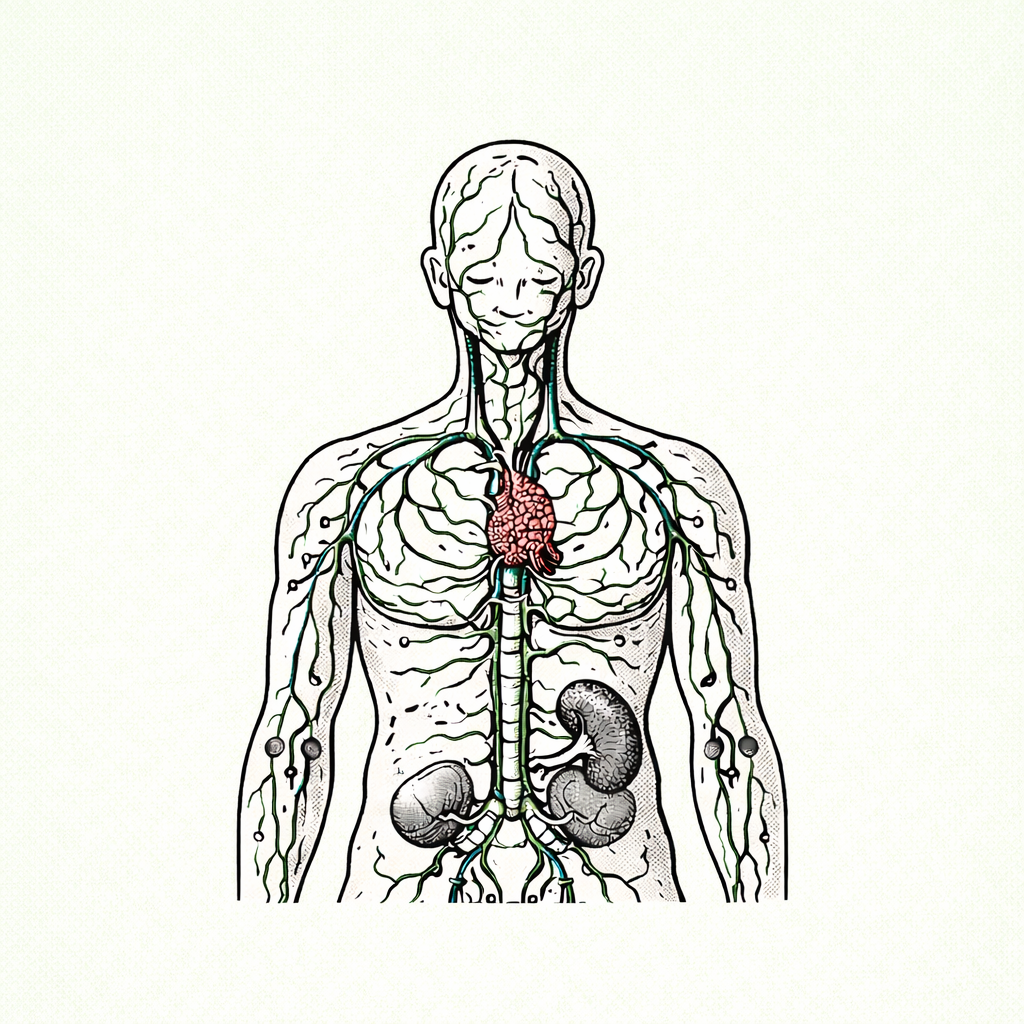
LYMPHATIC DRAINAGE: How Lymph Travels Through the Body and Drains Specific Regions
Lymphatic drainage describes the organised pathways through which lymph travels from tissues to regional lymph nodes and back into the bloodstream. Understanding these drainage patterns is essential for interpreting infection spread, cancer metastasis, lymphadenopathy and the clinical significance of enlarged or tender lymph nodes.
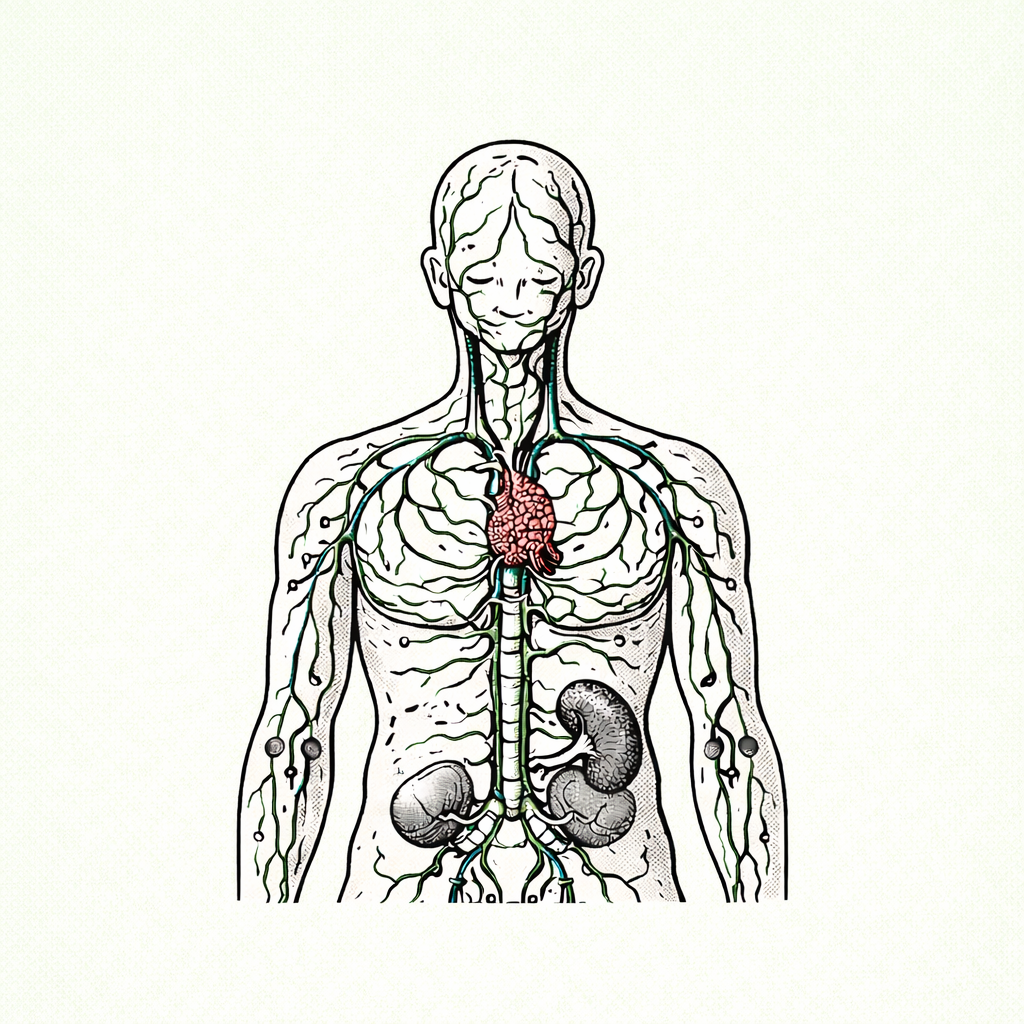
PEYER’S PATCHES: Specialised Gut-Associated Lymphoid Tissue for Intestinal Immune Surveillance
Peyer’s patches are specialised lymphoid structures in the ileum that sample intestinal contents and initiate immune responses as part of gut-associated lymphoid tissue. Understanding their function is essential for appreciating how the immune system balances protection against pathogens with tolerance to food antigens and commensal gut microbes.
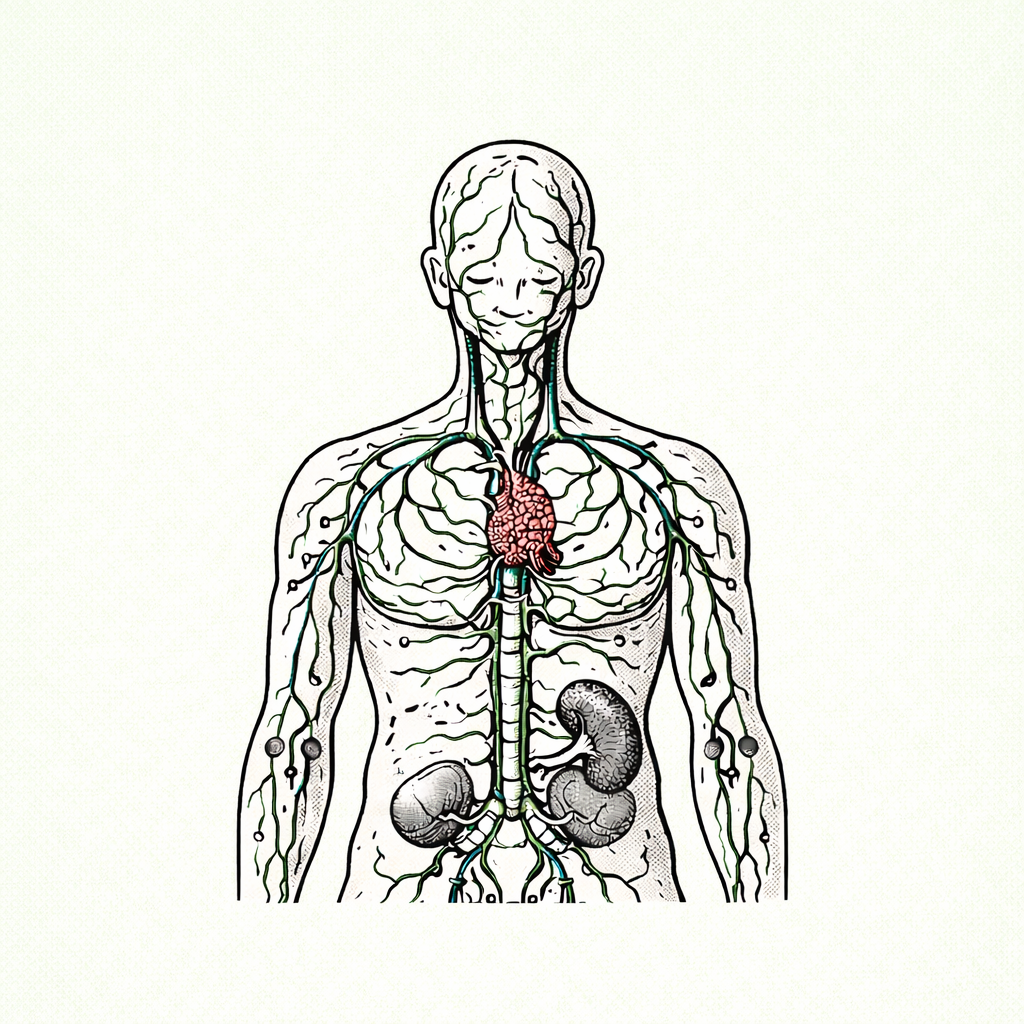
Microscopic Structure of Lymphatic Tissues and Vessels
The microscopic structure of lymphatic tissues and vessels reveals how lymph is filtered, antigens are presented and immune cells are activated at a cellular level. Understanding this microanatomy is essential for linking normal lymphatic function to conditions such as infection, oedema and lymphatic malignancies.
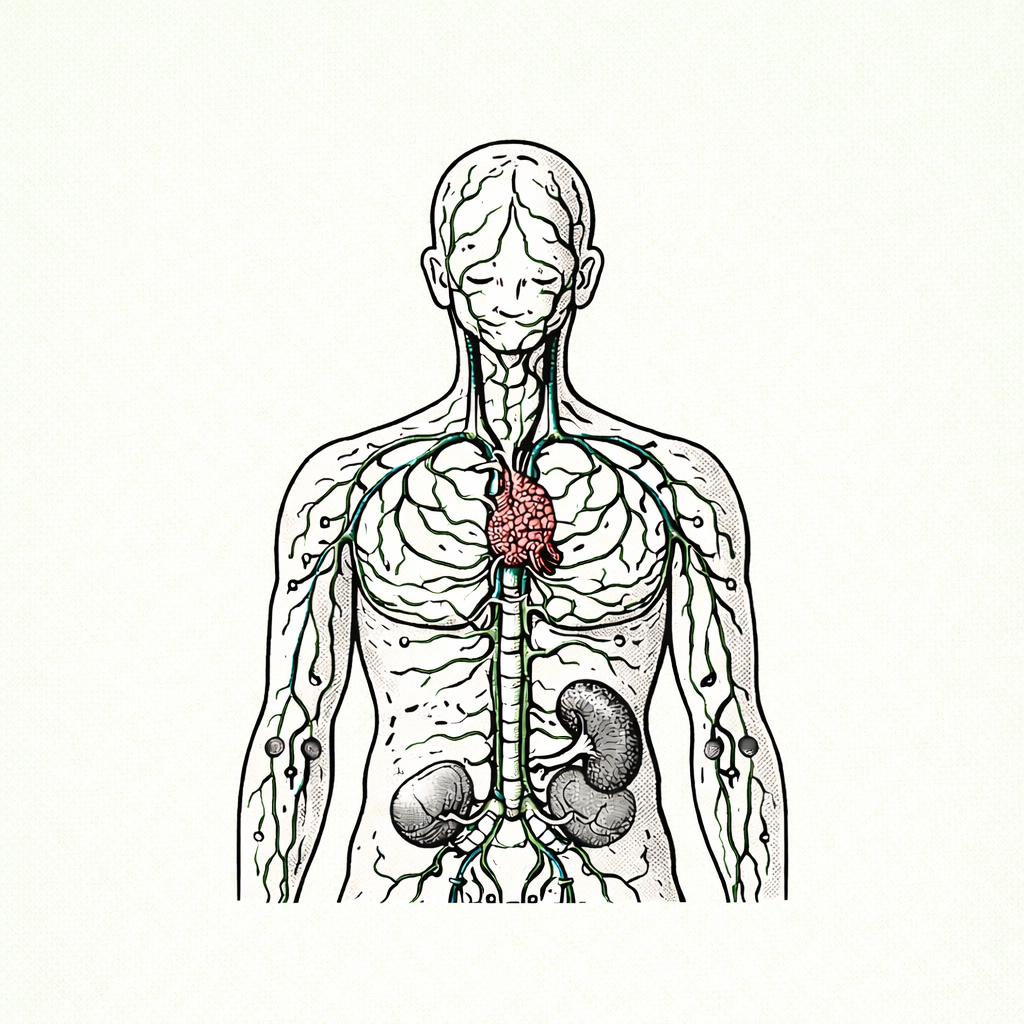
The Lymphatic System - Overview
The lymphatic system is a distributed network of vessels, nodes and lymphoid organs that maintains fluid balance, supports immune defence and transports dietary fats. Understanding its structure and function is essential for recognising infection, inflammation, lymphoedema, immune dysfunction and the pathways of disease spread in clinical practice.
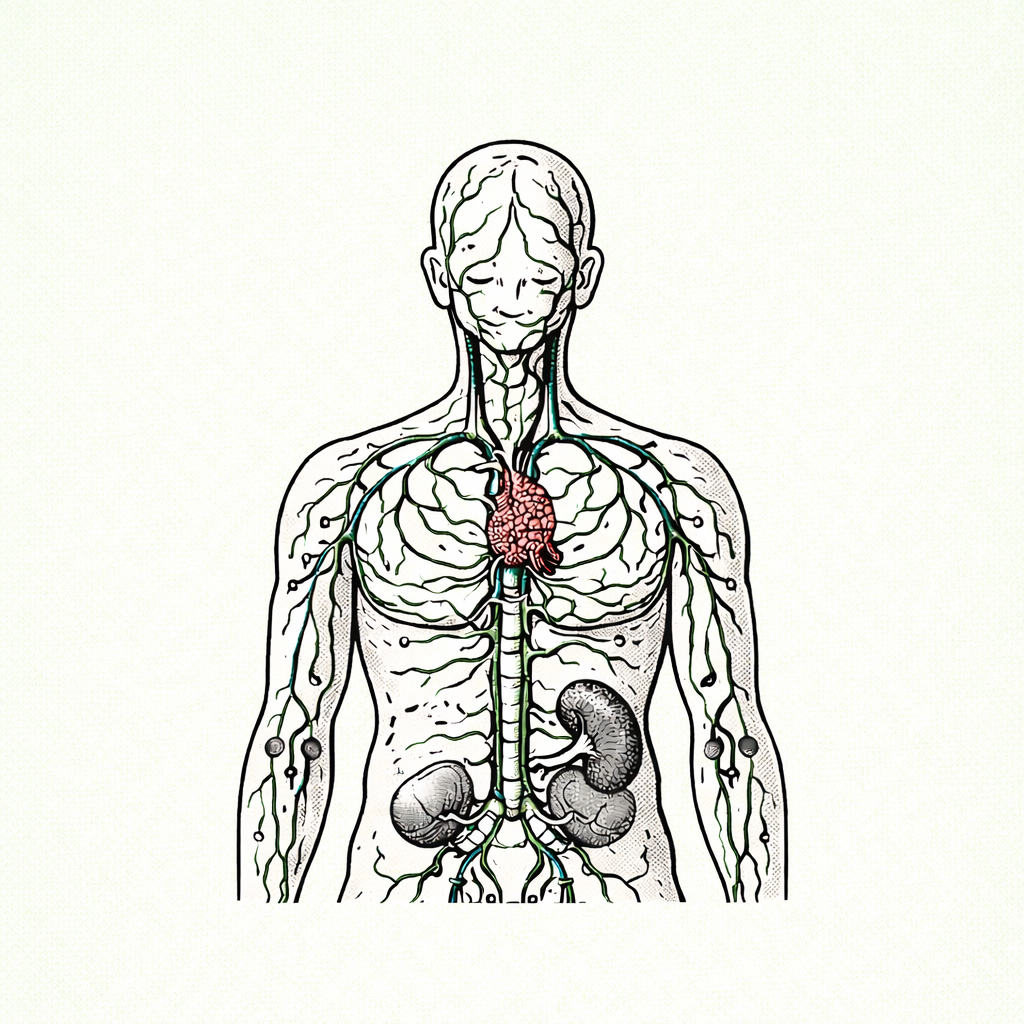
LYMPHATIC VESSEL ANATOMY & LYMPH FLOW
Lymphatic vessel anatomy describes the structure of the low-pressure, one-way vessels that collect interstitial fluid and transport lymph back to the venous circulation. Understanding how lymph flows through these vessels is essential for explaining fluid balance, immune surveillance, oedema formation and the spread of infection or malignancy.
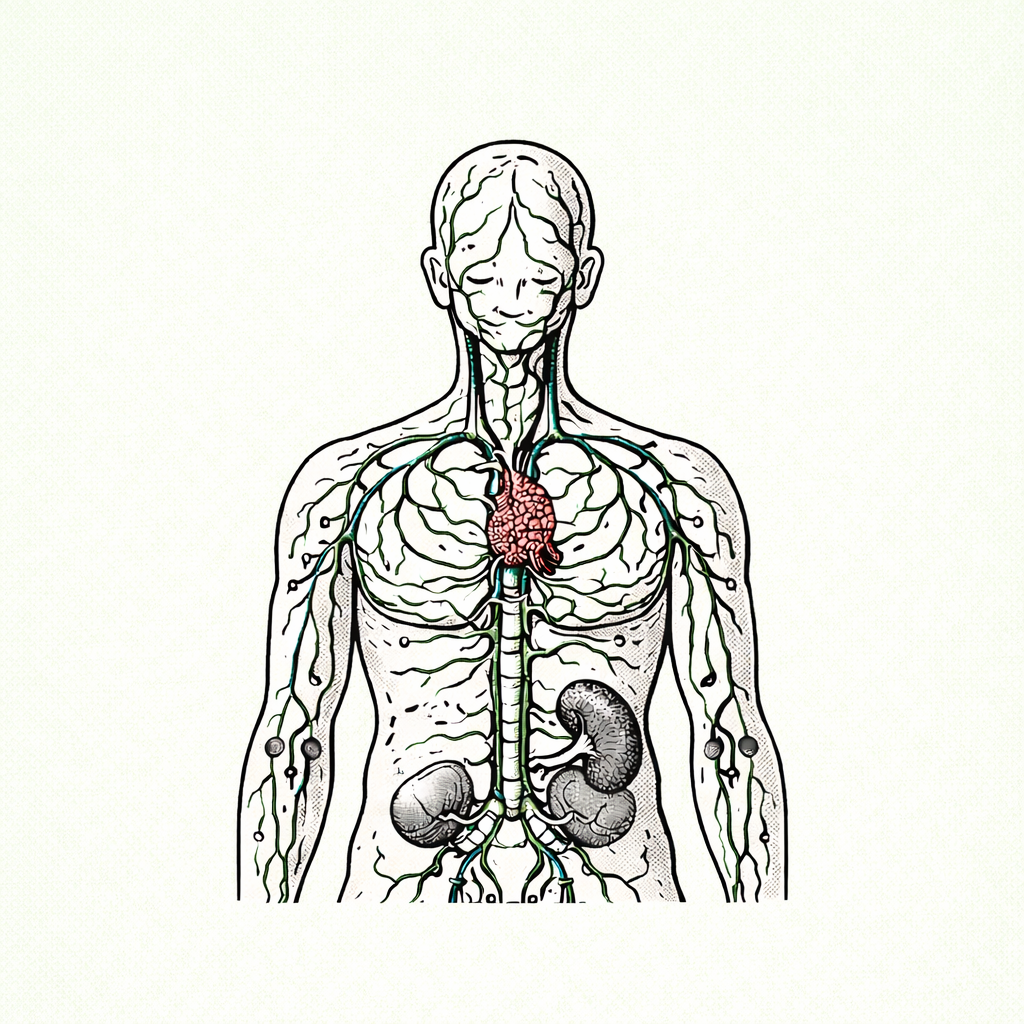
LYMPH NODES: STRUCTURE & FUNCTION
Lymph nodes are specialised lymphoid organs that filter lymph and provide sites for immune cell activation as fluid moves through the lymphatic system. Understanding their structure and function is essential for explaining immune surveillance, lymphadenopathy, infection spread, and the mechanisms behind cancer metastasis.