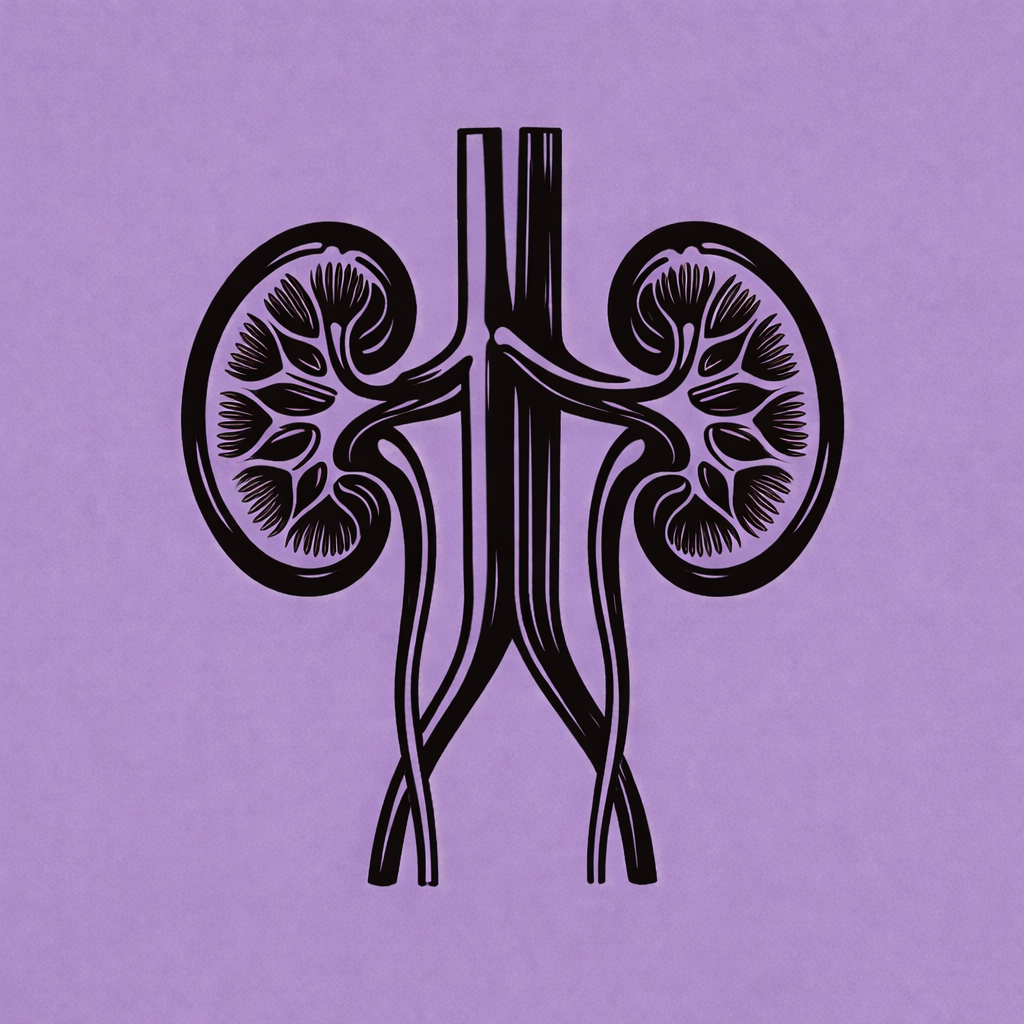
Ureters and Urethra: Structure, Histology and Functional Organisation
The ureters and urethra are specialised urinary conduits that transport urine from the kidneys to the exterior while maintaining one-way flow and continence. Understanding their structure and functional organisation is essential for recognising obstruction, reflux, infection risk, and for performing safe urinary catheterisation and continence care.
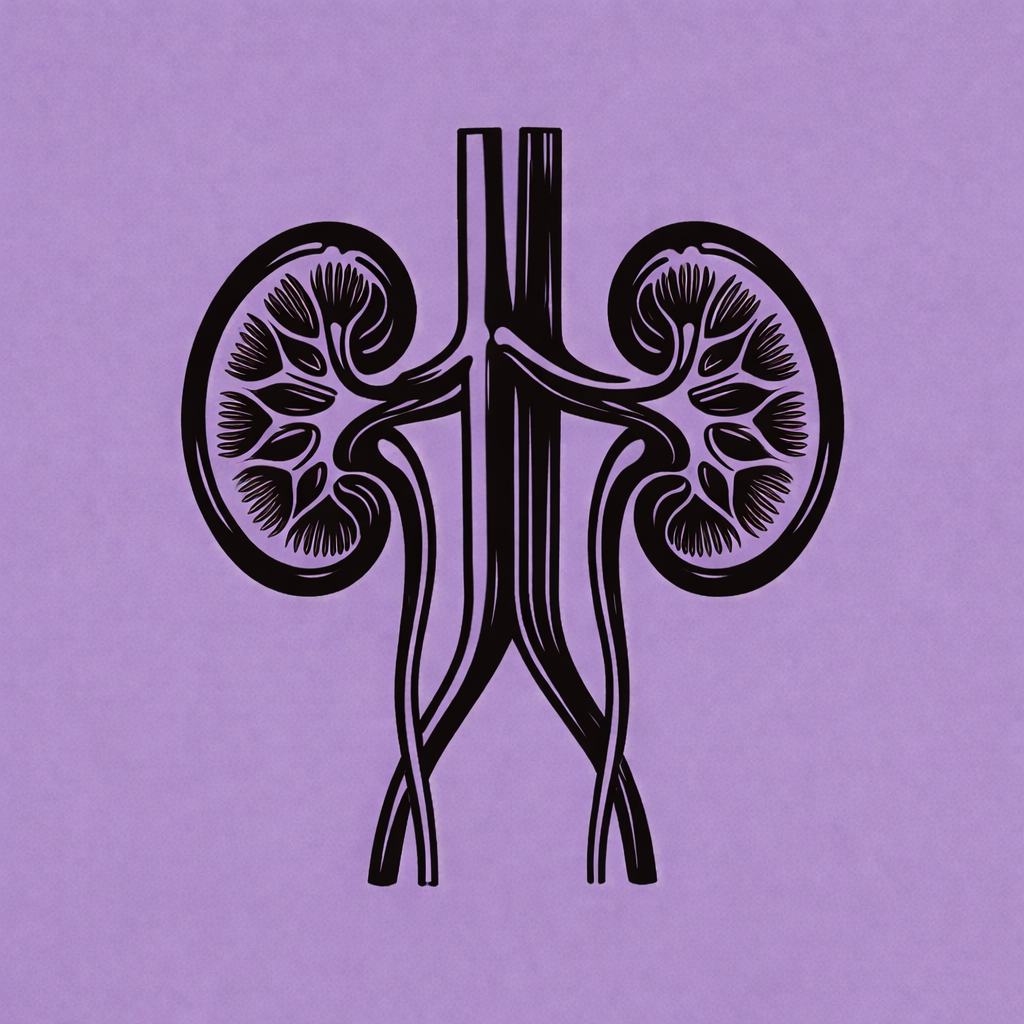
Juxtaglomerular Apparatus: Structure, Cellular Components and Filtration Regulation
The juxtaglomerular apparatus is a specialised nephron structure that regulates glomerular filtration and systemic blood pressure through precise cellular signalling. Understanding its structure and function is essential for interpreting renal autoregulation, renin release, electrolyte imbalance, and the pathophysiology of hypertension.
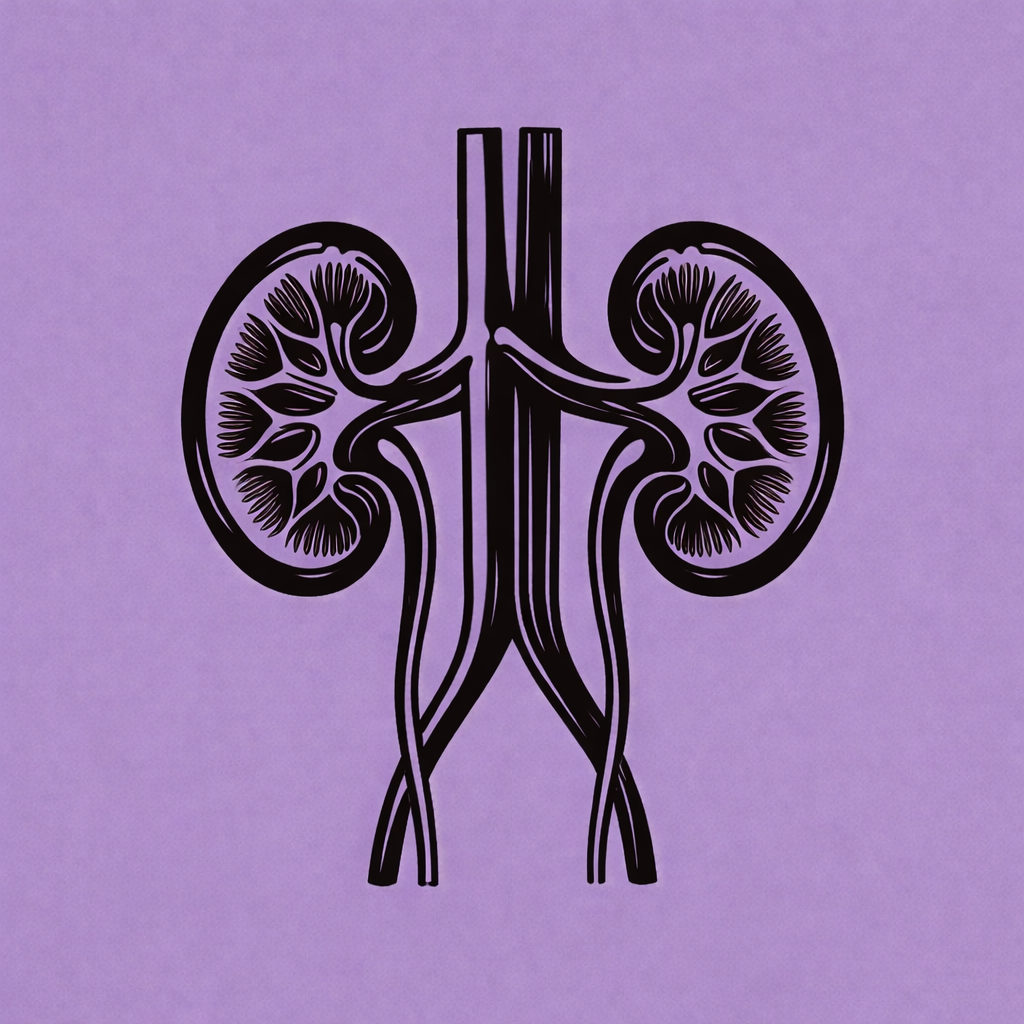
Bladder Structure: Anatomy, Histology and Functional Organisation
The urinary bladder is a specialised hollow organ designed to store urine at low pressure and expel it efficiently during voiding. Understanding its anatomical and histological organisation is essential for interpreting continence, micturition control, and common clinical conditions such as urinary retention, incontinence, infection, and neurogenic bladder dysfunction.
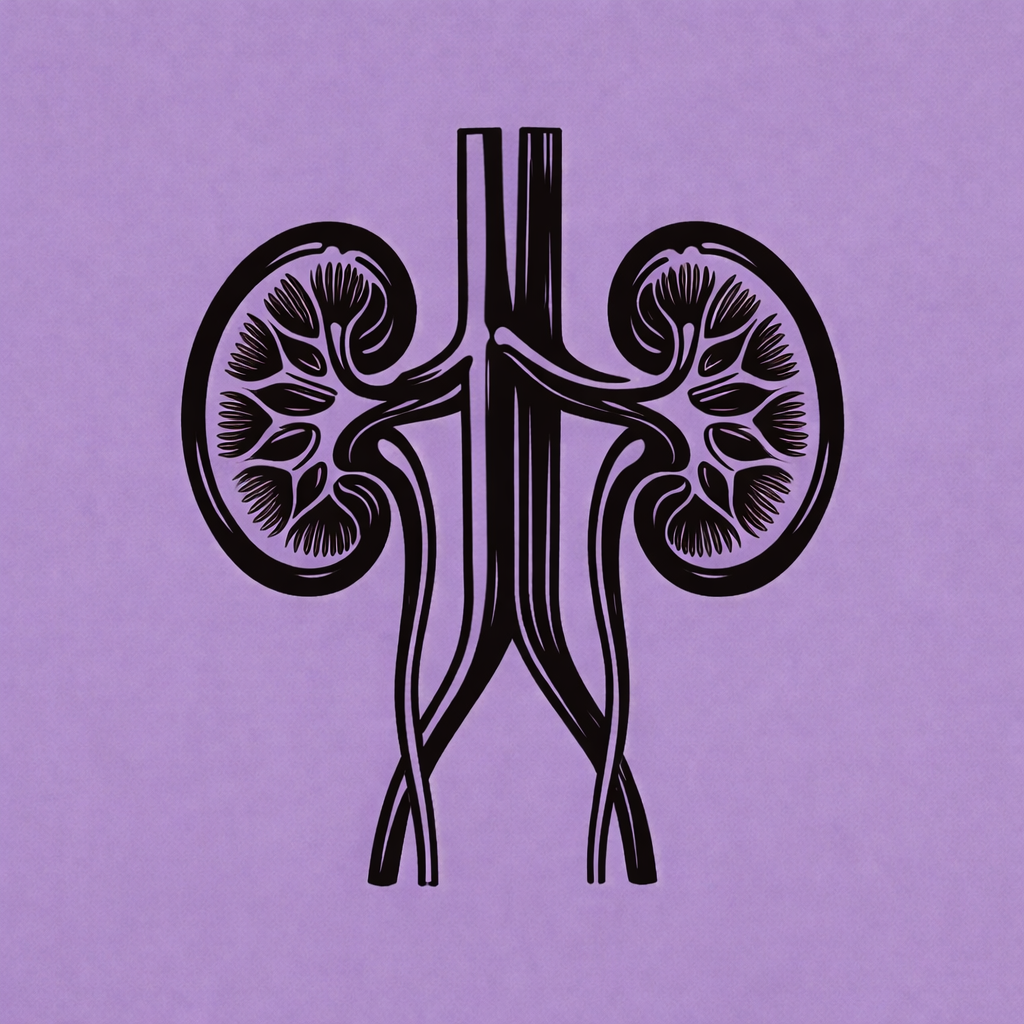
Age-Related Renal Changes: How Kidney Structure & Function Evolve Across the Lifespan
Age-related renal changes describe the predictable structural and functional alterations that occur in the kidneys across the lifespan. Understanding these changes is essential for distinguishing normal ageing from kidney disease and for safely managing fluids, electrolytes, and medications in older adults.
Micturition Physiology: Neural Control of Bladder Filling and Emptying
Micturition physiology describes how neural pathways coordinate bladder filling and emptying through integrated autonomic and somatic control. Understanding this process is essential for recognising urinary dysfunction in neurological injury, spinal cord disease, postoperative states, and ageing.
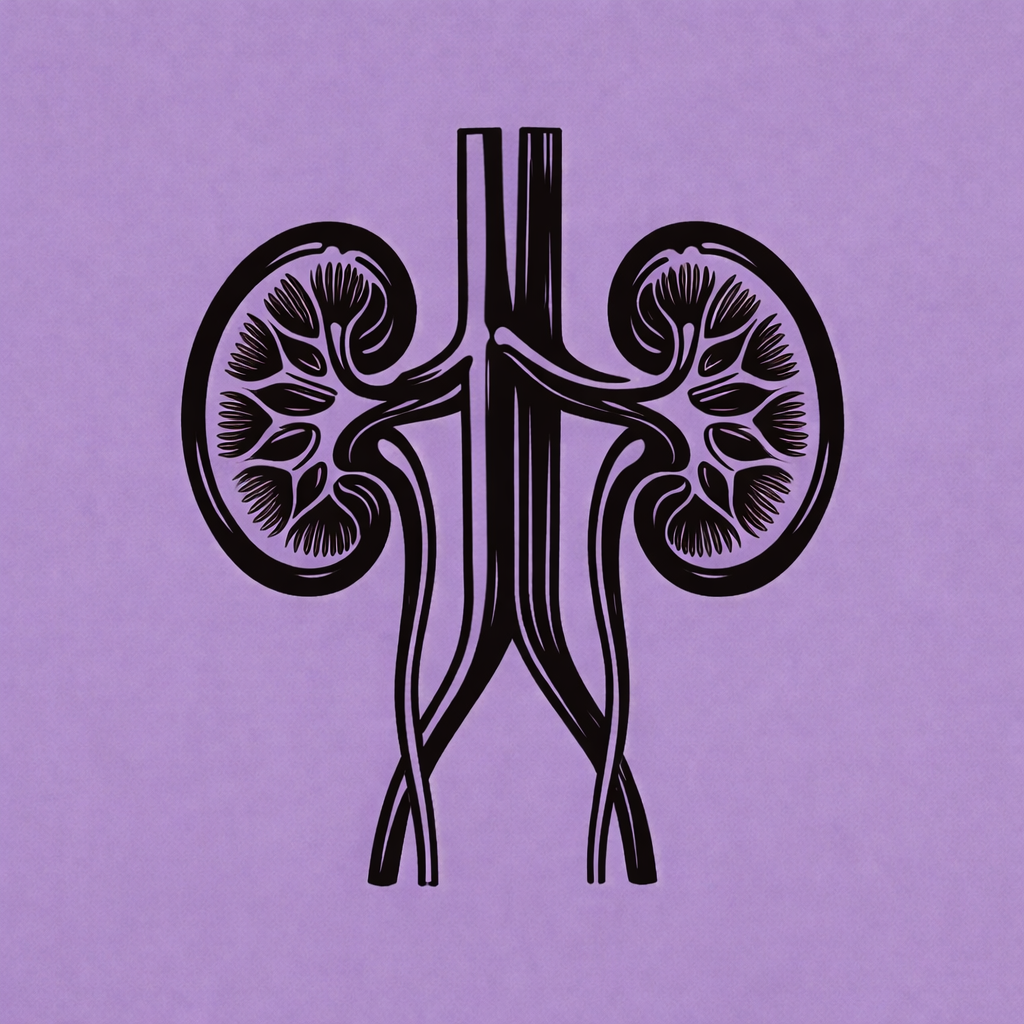
Kidney Gross Anatomy: Structure, Organisation & Vascular Architecture
Kidney gross anatomy describes the structural organisation and vascular architecture that enable filtration, reabsorption, and endocrine function. Understanding this anatomy is essential for interpreting nephron physiology, recognising renal pathology, and appreciating how systemic disease impacts kidney function.
Nephron Microanatomy: Structure, Histology & Segment-Specific Function
Kidney gross anatomy refers to the structural organisation and vascular design that support filtration, reabsorption, and endocrine regulation. Understanding this anatomy is essential for linking nephron function to renal pathology and recognising how systemic disease alters kidney performance.
Renin & Angiotensin II: Renal Perfusion, Filtration Pressure & Systemic Vasoconstriction
Renin and angiotensin II are key components of the renin–angiotensin system that regulate renal perfusion, filtration pressure, and systemic vasoconstriction. Understanding this pathway is essential for explaining blood pressure regulation, kidney autoregulation, and the physiological response to dehydration, haemorrhage, and shock.
Atrial Natriuretic Peptide (ANP): Volume Reduction, Sodium Excretion & Pressure Offloading
Atrial natriuretic peptide is a cardiac hormone released in response to increased blood volume and pressure to promote sodium and water excretion. Understanding ANP is essential for explaining volume regulation, pressure offloading, and the body’s counter-regulatory response to fluid overload and heart failure.
Glomerular Filtration Barrier: Microstructure, Selectivity and Filtration Dynamics
The glomerular filtration barrier is a highly specialised structure that selectively filters blood to form urine while retaining proteins and cells. Understanding its microstructure and selectivity is essential for interpreting proteinuria, oedema, and the pathophysiology of glomerular kidney disease.
Tubular Reabsorption & Secretion: How the Kidney Fine-Tunes the Filtrate
Tubular reabsorption and secretion are the processes by which the kidneys selectively reclaim essential substances and remove waste after filtration. Understanding these mechanisms is essential for explaining fluid and electrolyte balance, acid–base regulation, and how kidney dysfunction leads to dehydration, toxicity, and metabolic disturbance.
Countercurrent Mechanisms & Urine Concentration: How the Kidneys Conserve Water
Countercurrent mechanisms describe how the kidneys create and maintain an osmotic gradient that allows urine to be concentrated or diluted as needed. Understanding this process is essential for explaining water conservation, hydration balance, and the kidney’s ability to prevent dehydration under varying physiological conditions.
Acid–Base Regulation by the Kidneys: Long-Term Control of Blood pH
The kidneys provide long-term regulation of acid–base balance by adjusting hydrogen ion excretion and bicarbonate reabsorption. Understanding this role is essential for interpreting acid–base disorders and recognising how renal dysfunction leads to sustained pH imbalance.
Electrolyte & Fluid Balance: Sodium, Potassium & Water Regulation
Electrolyte and fluid balance describes how the kidneys regulate sodium, potassium, and water to maintain stable blood volume and extracellular composition. Understanding this regulation is essential for interpreting blood pressure changes, cardiac rhythm disturbances, neuromuscular dysfunction, and fluid imbalance in clinical practice.
Antidiuretic Hormone (ADH): Water Balance, Plasma Osmolality & Urine Concentration
Antidiuretic hormone is the primary regulator of water balance by controlling renal water reabsorption and plasma osmolality. Understanding ADH function is essential for explaining urine concentration, hydration status, and disorders of water imbalance such as hyponatraemia and dehydration.
Aldosterone: Sodium Retention, Potassium Excretion & Blood Pressure Regulation
Aldosterone is a key hormone that regulates sodium retention, potassium excretion, and extracellular fluid volume through its actions on the kidneys. Understanding aldosterone’s role is essential for explaining long-term blood pressure control, electrolyte balance, and disorders such as hypertension, hypokalaemia, and fluid overload.
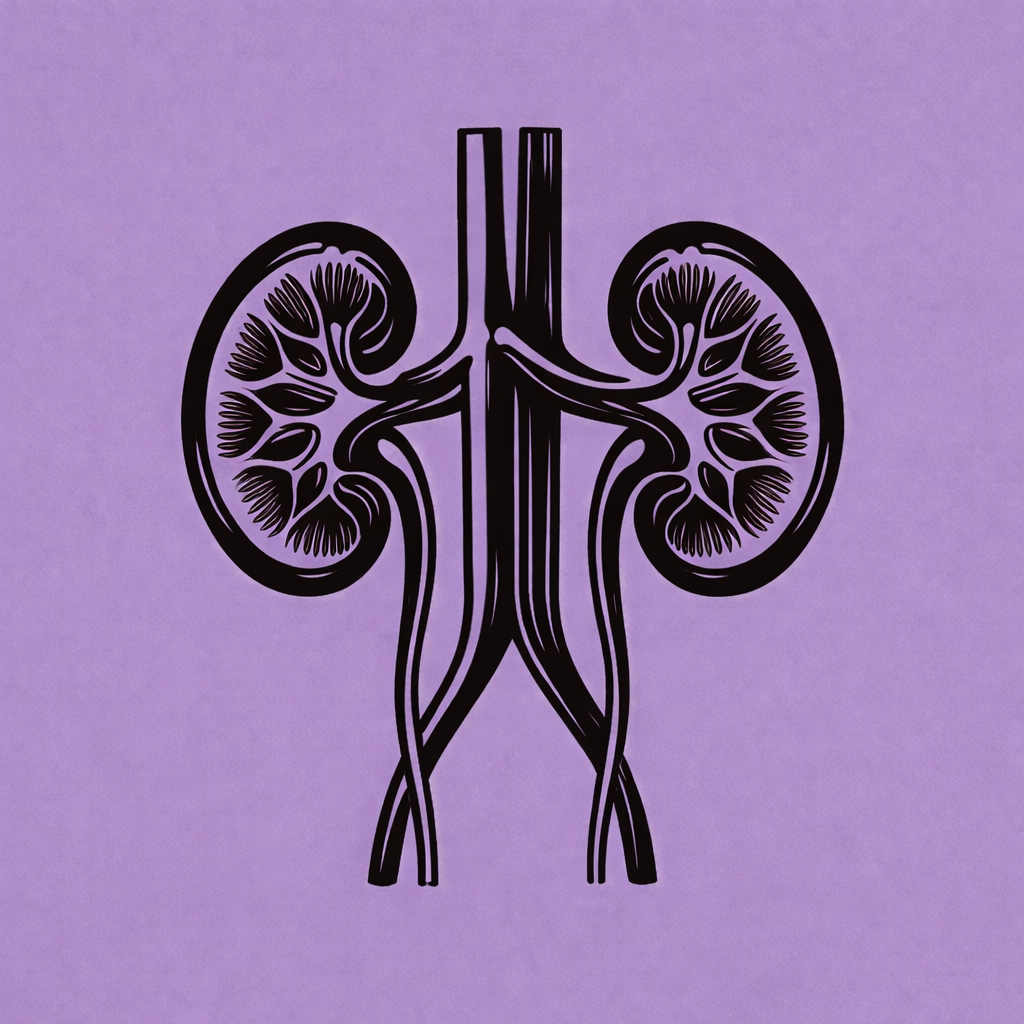
Renal System - OVerview
The renal system regulates fluid balance, electrolytes, acid–base status, and waste removal through the integrated function of the kidneys and urinary tract. Understanding how this system works is essential for recognising kidney dysfunction, interpreting laboratory results, and safely managing fluids, medications, and electrolyte disturbances in clinical care.
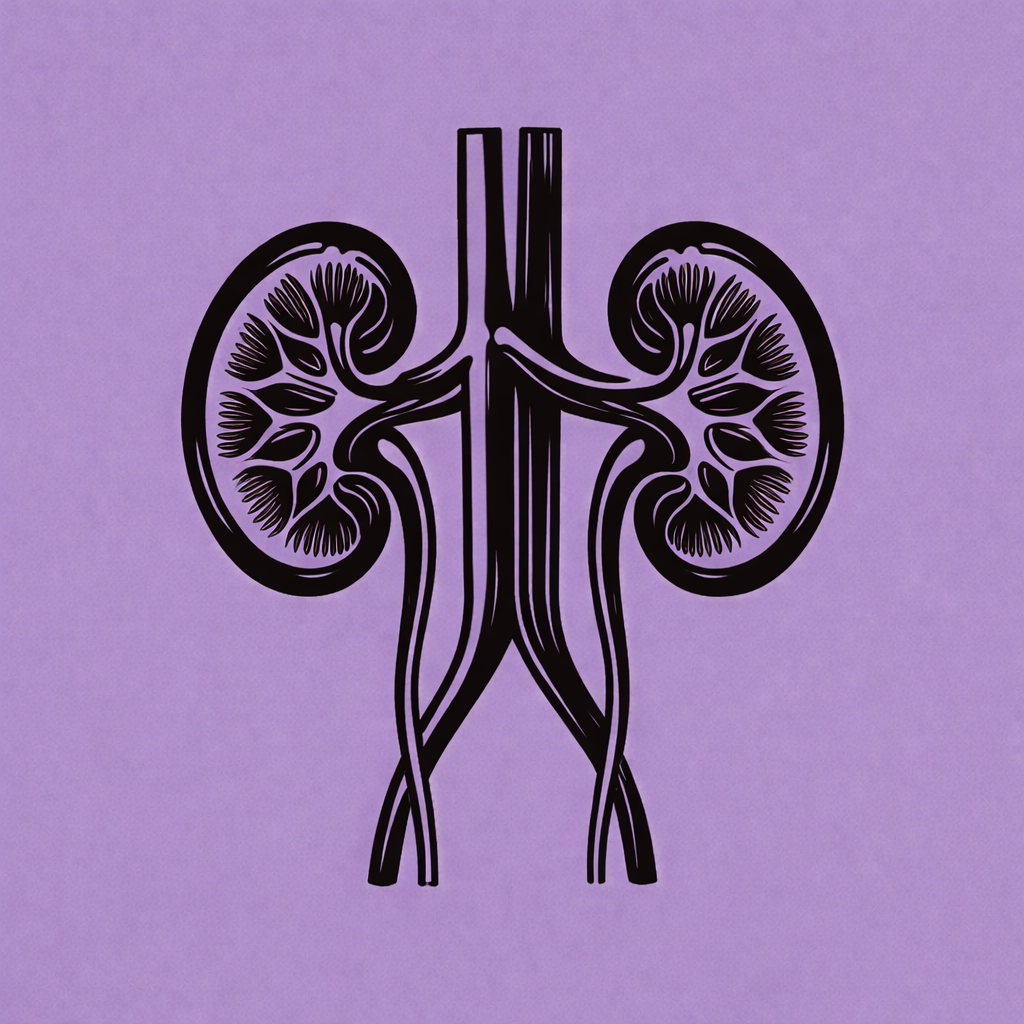
Renal Blood Flow, Filtration & Haemodynamics: How the Kidneys Filter the Blood
Renal blood flow and haemodynamics describe how the kidneys receive, regulate, and filter a large proportion of cardiac output to maintain homeostasis. Understanding these processes is essential for explaining how filtration adapts to physiological change and why alterations in perfusion rapidly compromise kidney function.
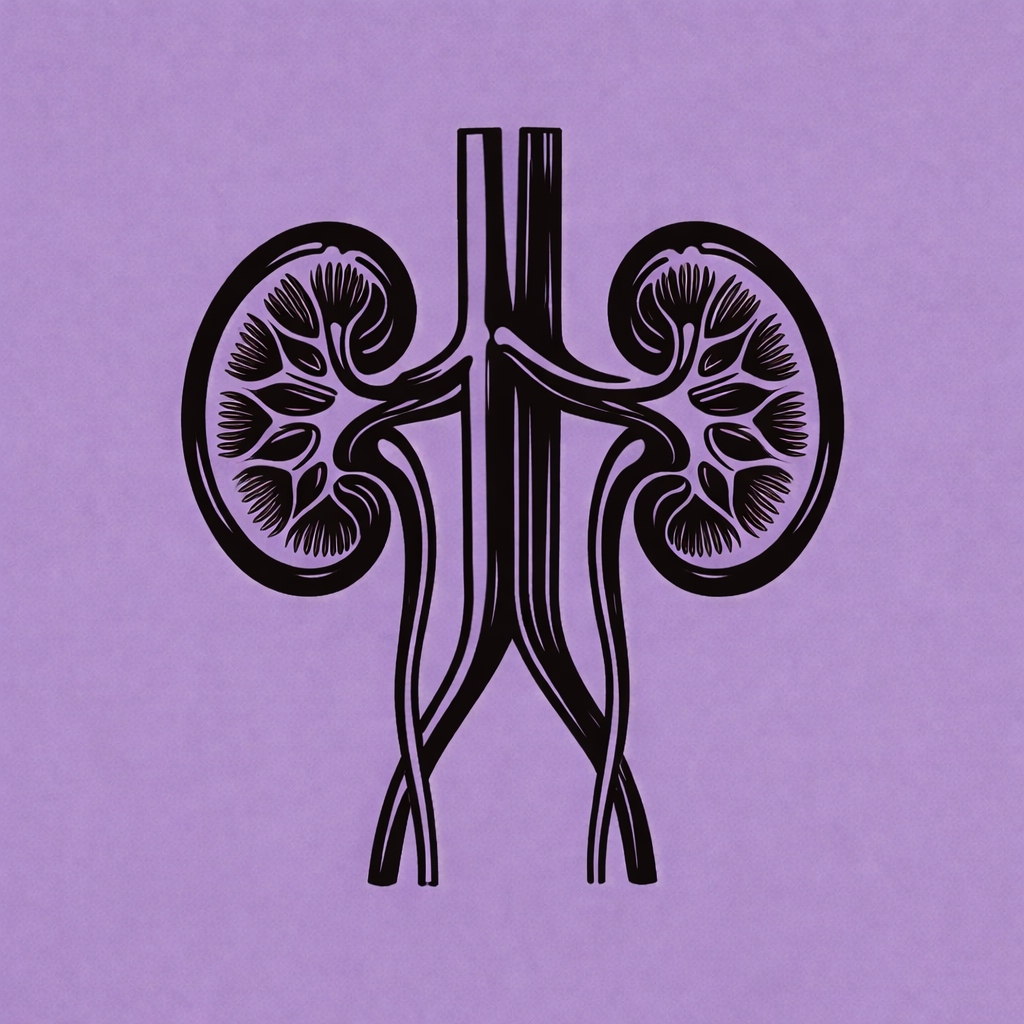
The Nephron: Structure & Function
The nephron is the basic structural and functional unit of the kidney responsible for filtration, reabsorption, secretion, and urine formation. Understanding its regional structure and function is essential for interpreting normal renal physiology and the mechanisms underlying kidney disease.