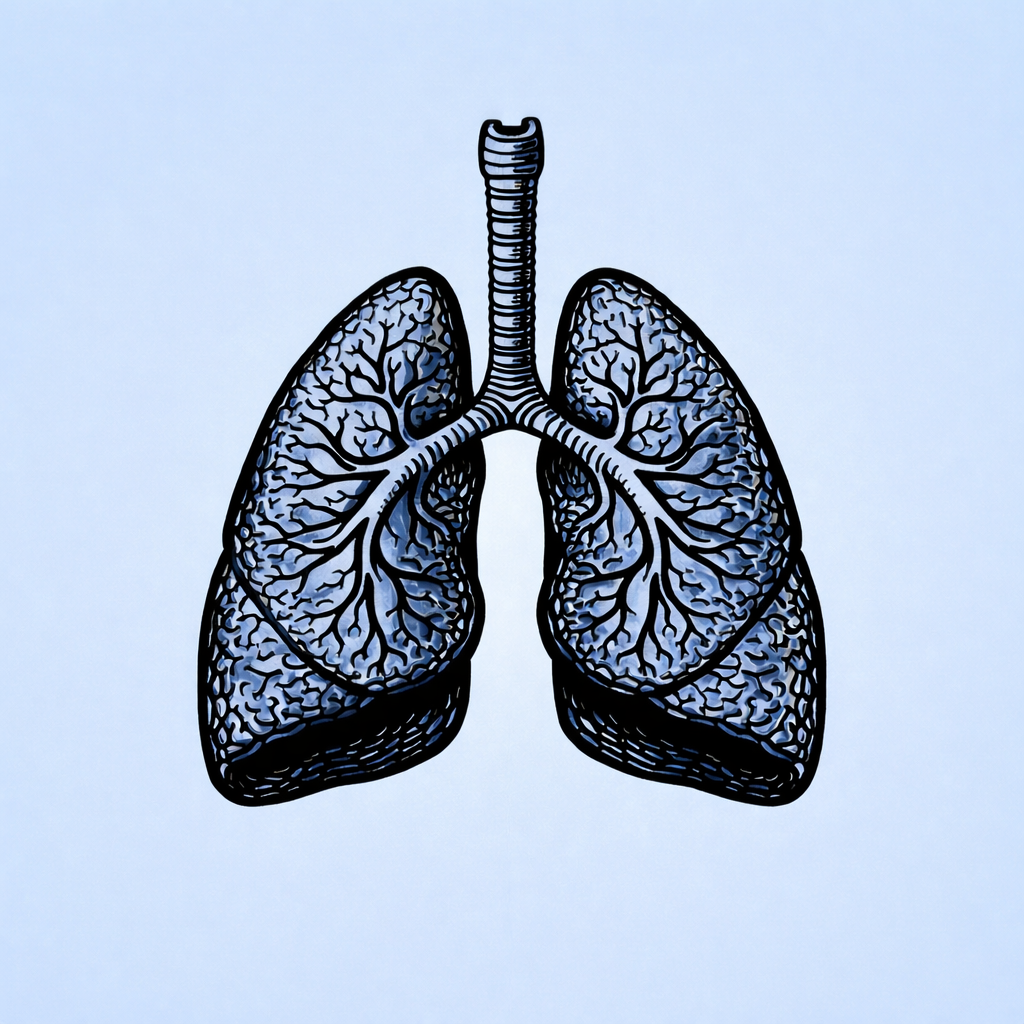
The Alveolar–Arterial (A–a) Gradient
The alveolar–arterial (A–a) gradient is a measure of how effectively oxygen transfers from the alveoli into the arterial bloodstream. Understanding this concept is essential for differentiating causes of hypoxaemia and explaining variable responses to oxygen therapy in respiratory disease.
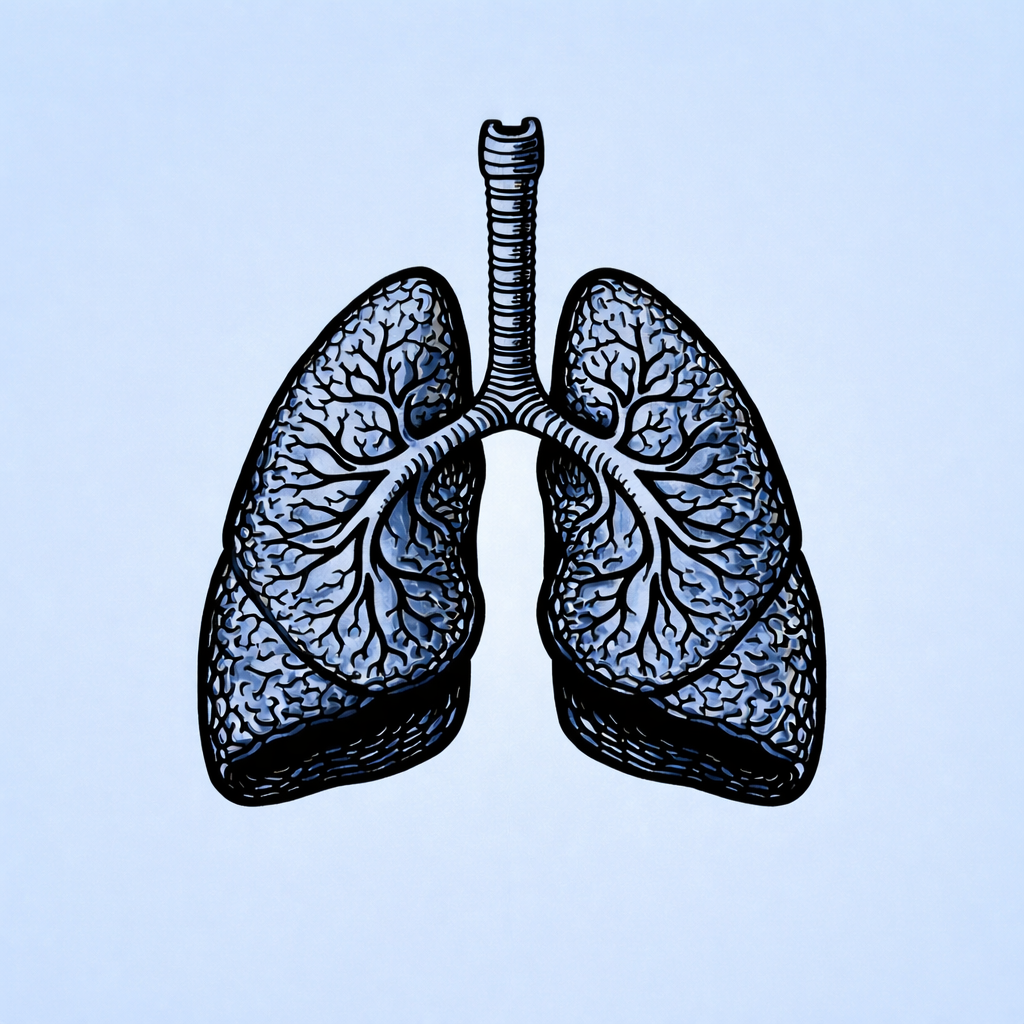
Pulmonary Surfactant
Pulmonary surfactant is a specialised substance produced by alveolar cells that reduces surface tension and stabilises the alveoli during breathing. Understanding its role is essential for explaining normal lung mechanics, neonatal respiratory distress, and impaired gas exchange in acute lung injury.
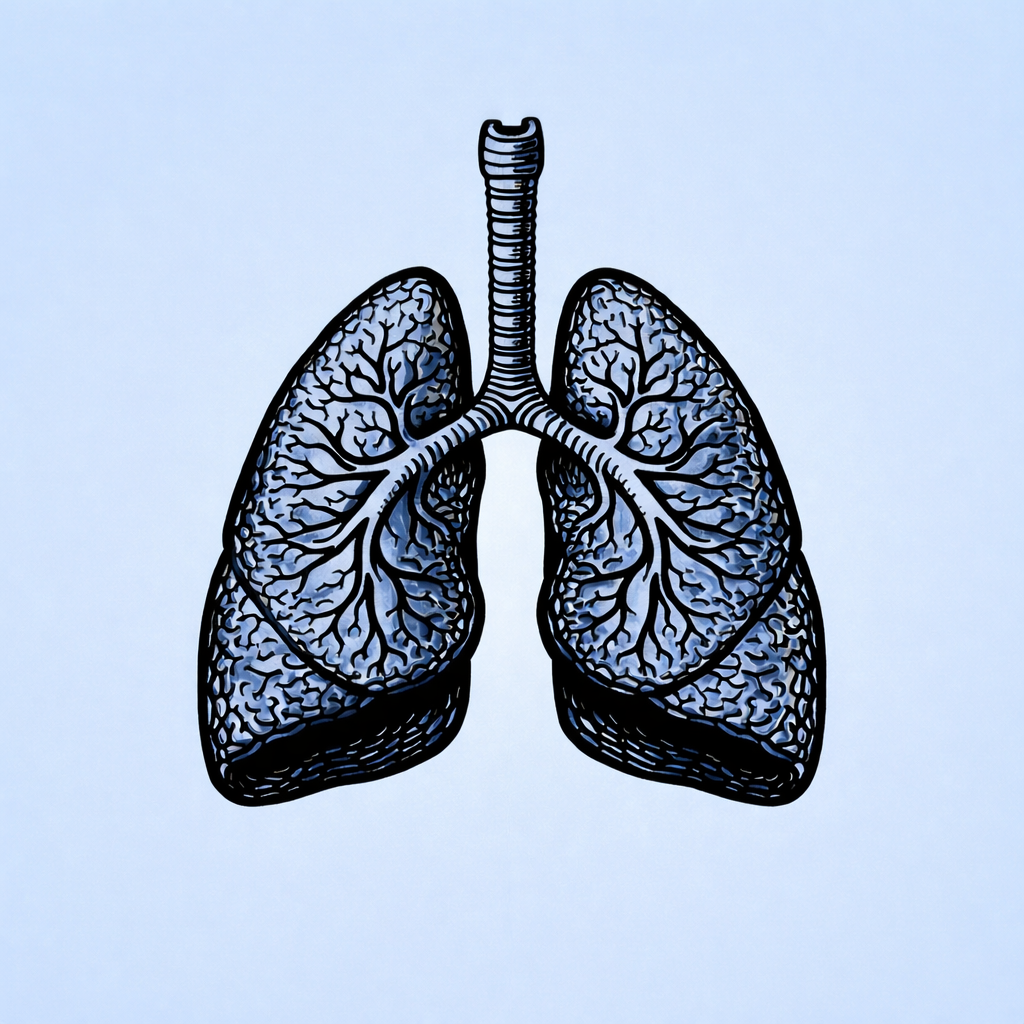
Age-Related Changes in the Respiratory System
Age-related changes in the respiratory system involve gradual structural and physiological alterations that affect lung mechanics, gas exchange, and immune defence. Understanding these changes is essential for recognising reduced respiratory reserve, anticipating complications, and providing safer care for older adults during illness or stress.
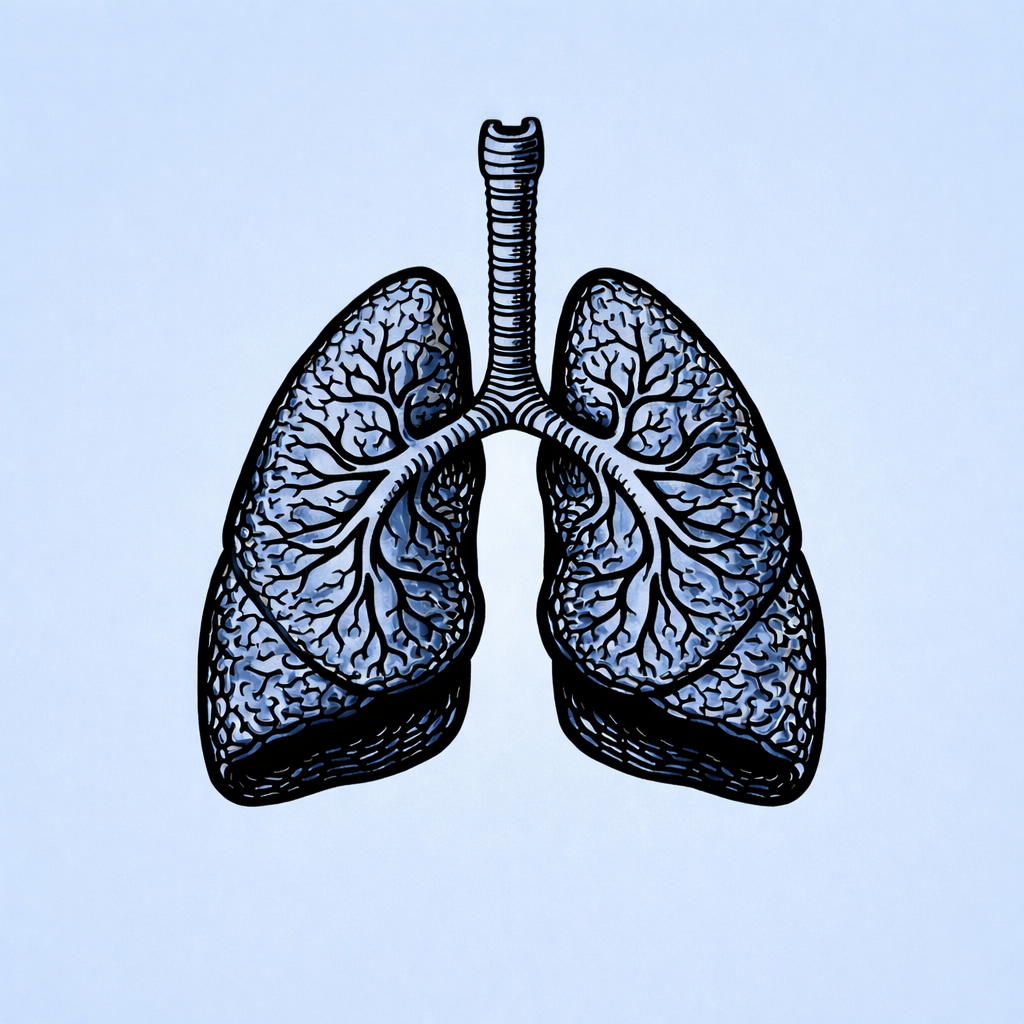
Pulmonary Stretch Reflexes & Protective Mechanisms
Pulmonary stretch reflexes and protective mechanisms are sensory-driven pathways that regulate breathing and safeguard the lungs from injury and irritation. Understanding these reflexes is essential for explaining abnormal breathing patterns, responses to airway irritants, and altered respiratory control in disease states.
Respiratory Muscle Physiology
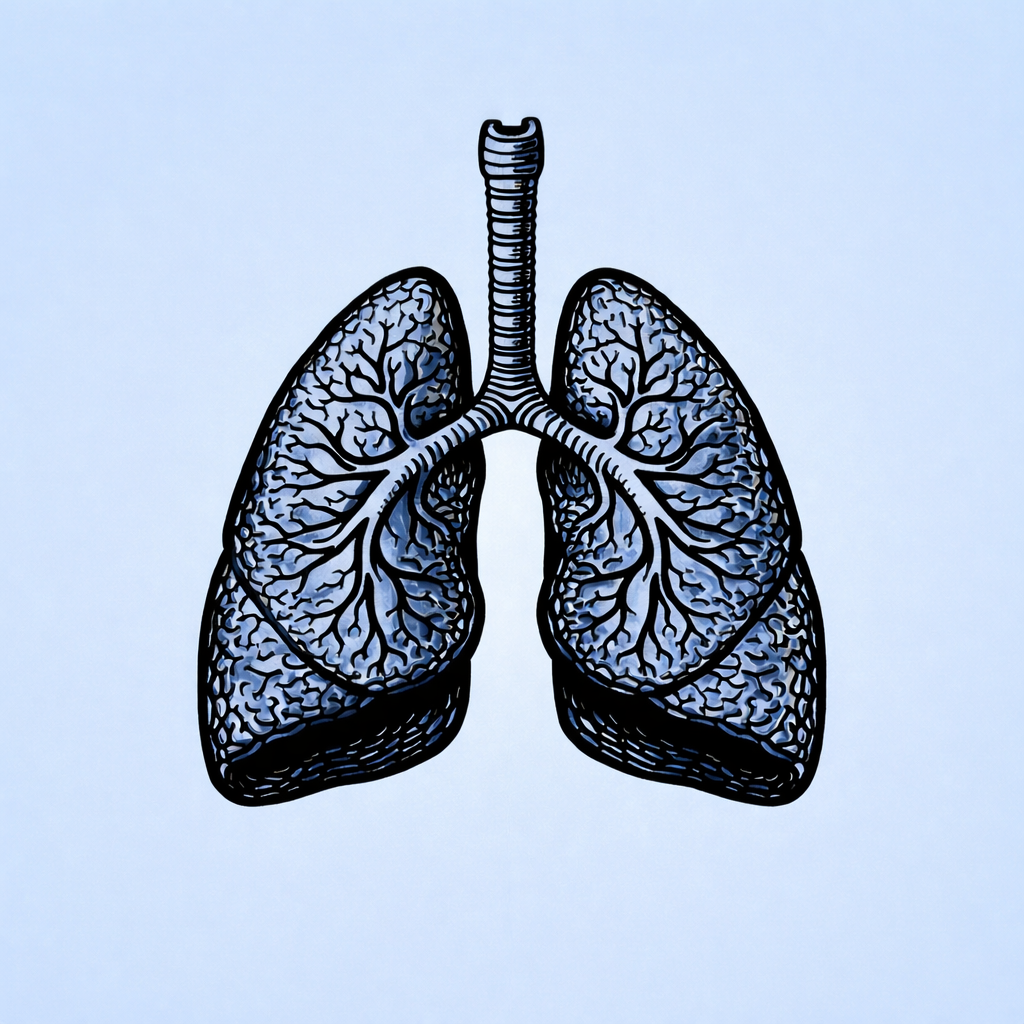
Respiratory muscle physiology describes how the diaphragm and accessory muscles generate the pressure changes needed to move air in and out of the lungs. Understanding how these muscles function is essential for recognising respiratory fatigue, interpreting signs of respiratory distress, and understanding why ventilation fails in certain disease states.
Lower Respiratory Tract Anatomy
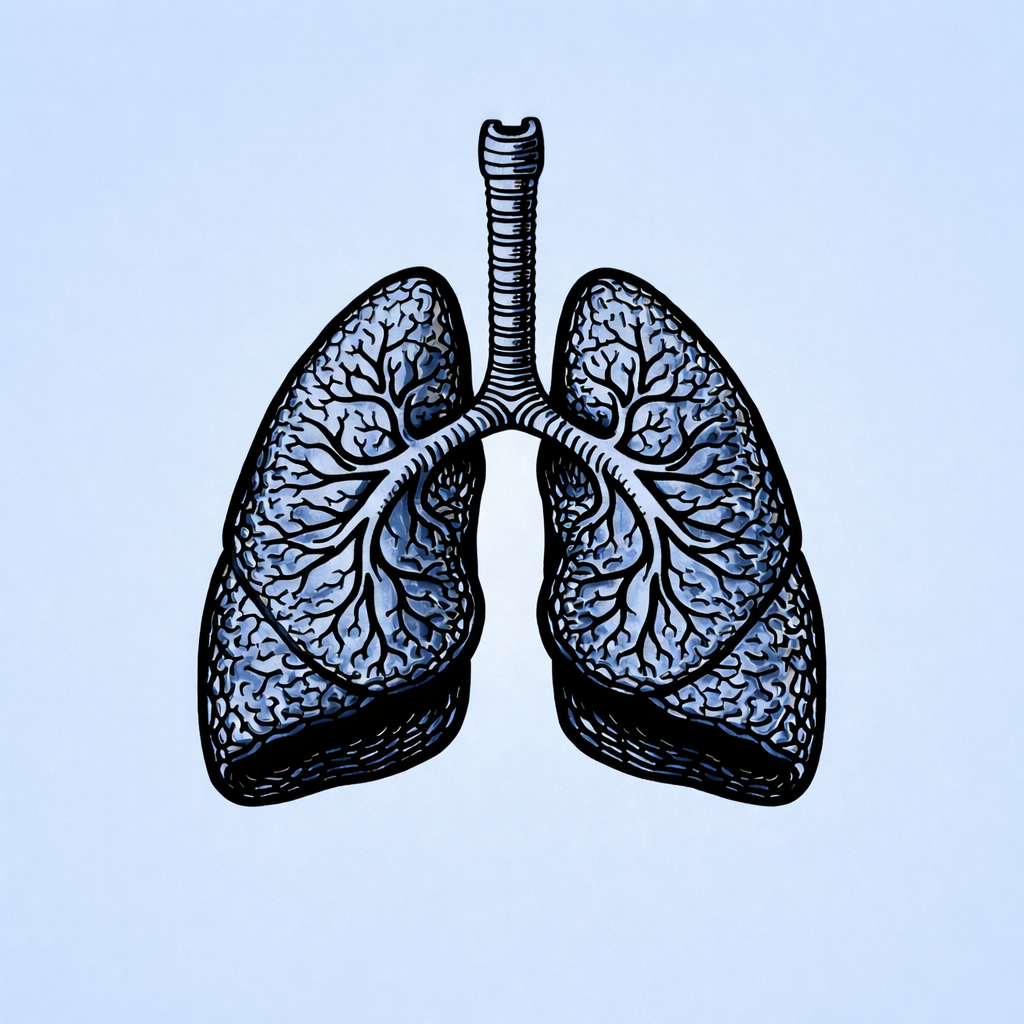
The lower respiratory tract consists of the airways and alveoli that conduct airflow and enable gas exchange within the lungs. Understanding the structure of these components is essential for recognising how airway disease, obstruction, or alveolar damage disrupts ventilation and oxygenation in clinical practice.
The Mechanics of Breathing: Ventilation and Pressure Changes
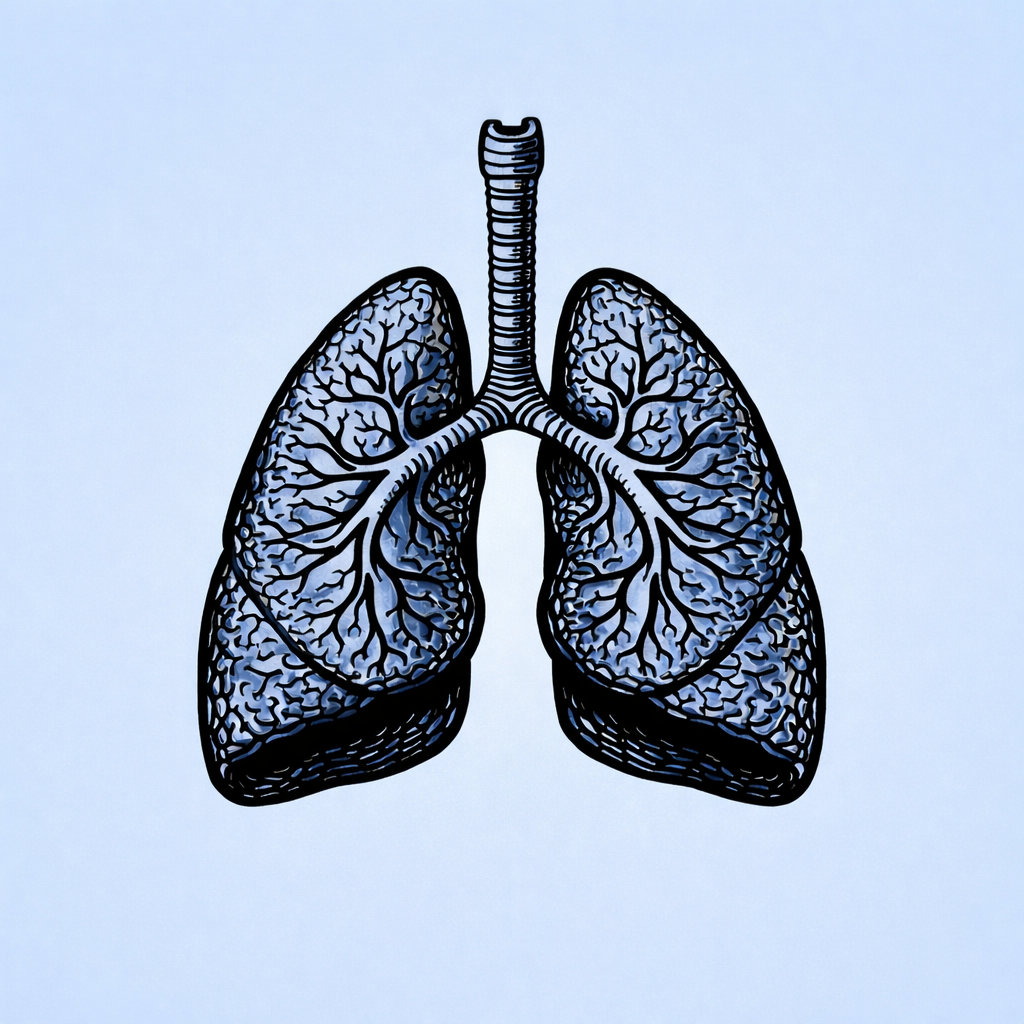
Ventilation is the mechanical process by which pressure changes move air into and out of the lungs. Understanding how these pressure gradients are generated is essential for interpreting normal breathing, recognising ventilatory failure, and assessing respiratory compromise.
Gas Exchange at the Alveolar–Capillary Membrane
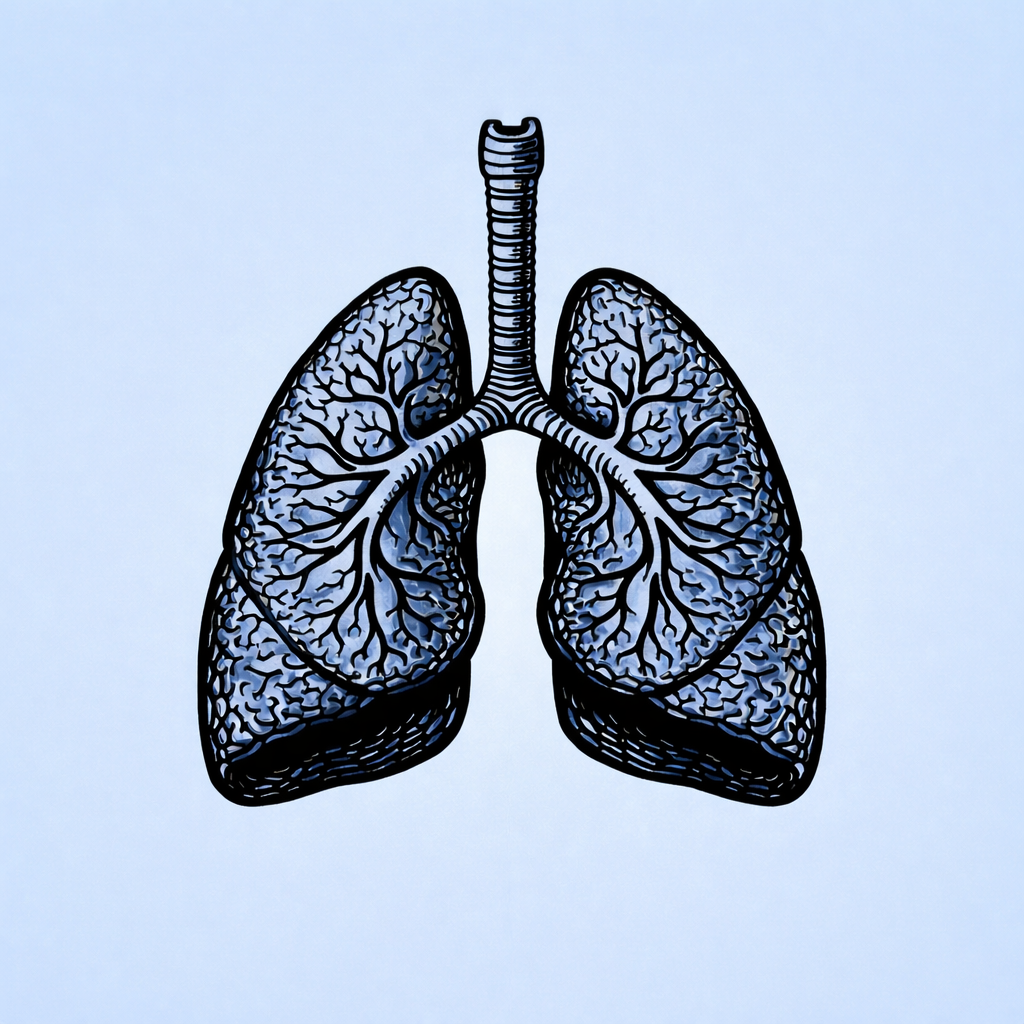
Gas exchange occurs at the alveolar–capillary membrane, where oxygen and carbon dioxide diffuse between the lungs and the bloodstream. Understanding how this process works is essential for recognising causes of hypoxia and hypercapnia and for guiding interventions such as oxygen therapy and ventilatory support.
Ventilation–Perfusion (V/Q) Matching
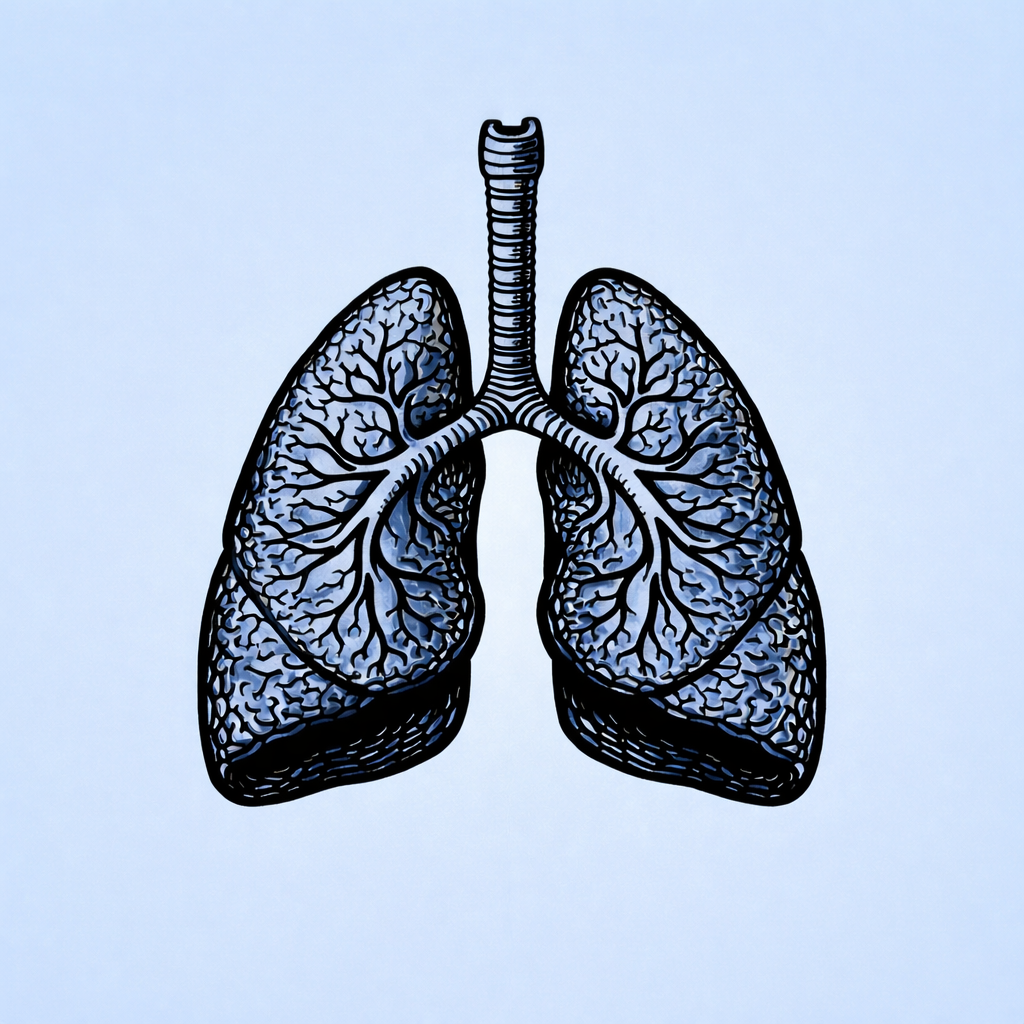
Ventilation–perfusion (V/Q) matching describes the balance between airflow to the alveoli and blood flow through the pulmonary capillaries. Understanding this relationship is essential for identifying the most common causes of hypoxaemia, predicting responses to oxygen therapy, and interpreting respiratory deterioration in clinical settings.
The Respiratory Membrane and Diffusion Physics
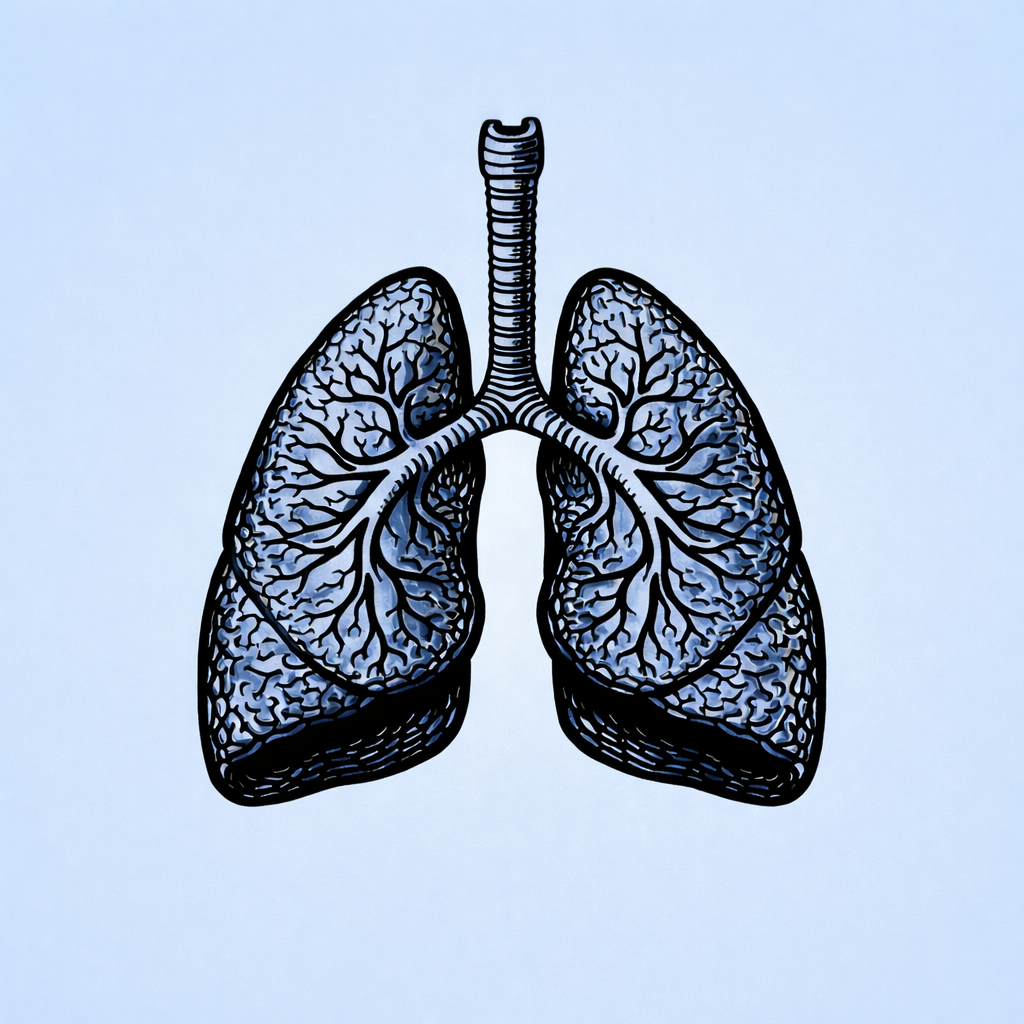
The respiratory membrane is the thin interface across which oxygen and carbon dioxide diffuse between the alveoli and the bloodstream. Understanding how diffusion physics and membrane integrity influence gas transfer is essential for explaining hypoxia, rapid respiratory deterioration, and the progression of many lung diseases.
The Oxygen–Haemoglobin Dissociation Curve
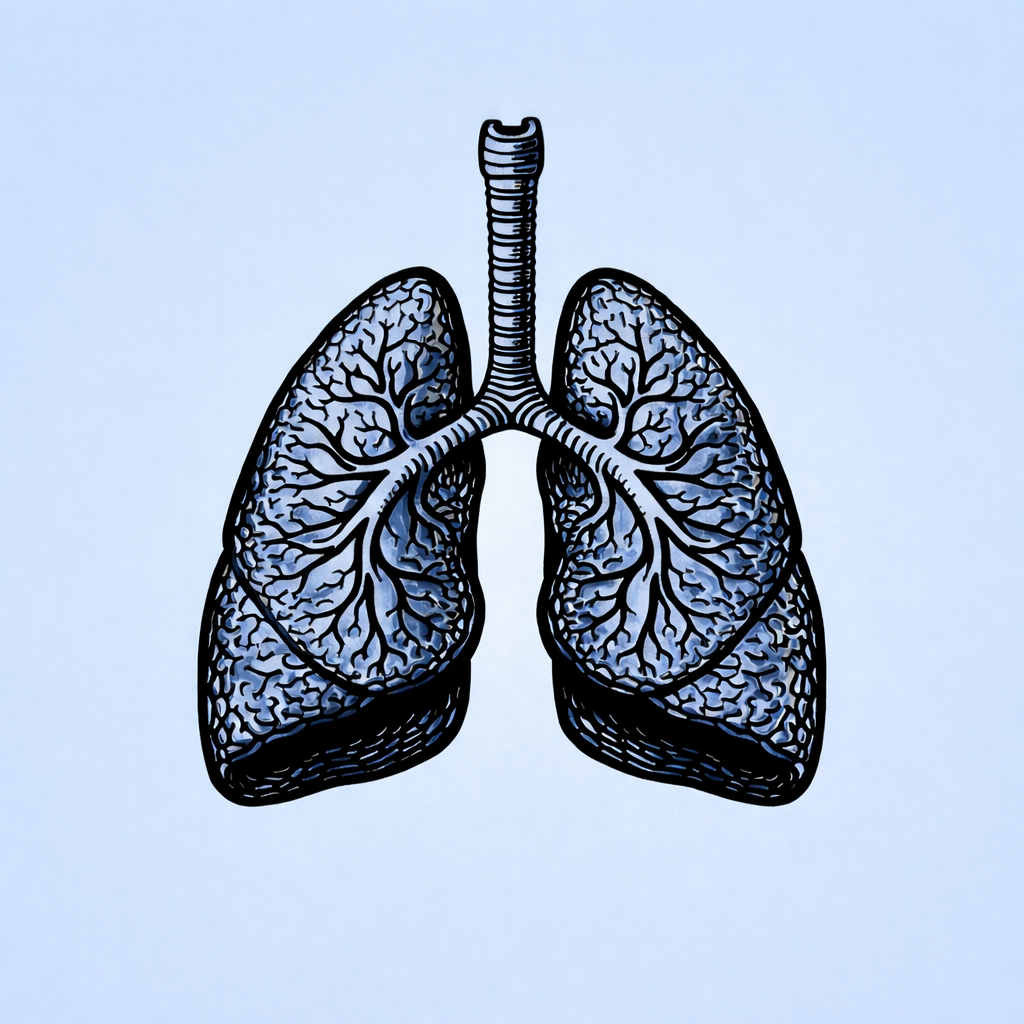
The oxygen–haemoglobin dissociation curve illustrates how haemoglobin binds and releases oxygen in response to changes in oxygen pressure and metabolic demand. Understanding this relationship is essential for interpreting oxygen saturations, recognising early clinical deterioration, and supporting patients with respiratory or metabolic compromise.
Oxygen and Carbon Dioxide Transport in the Blood
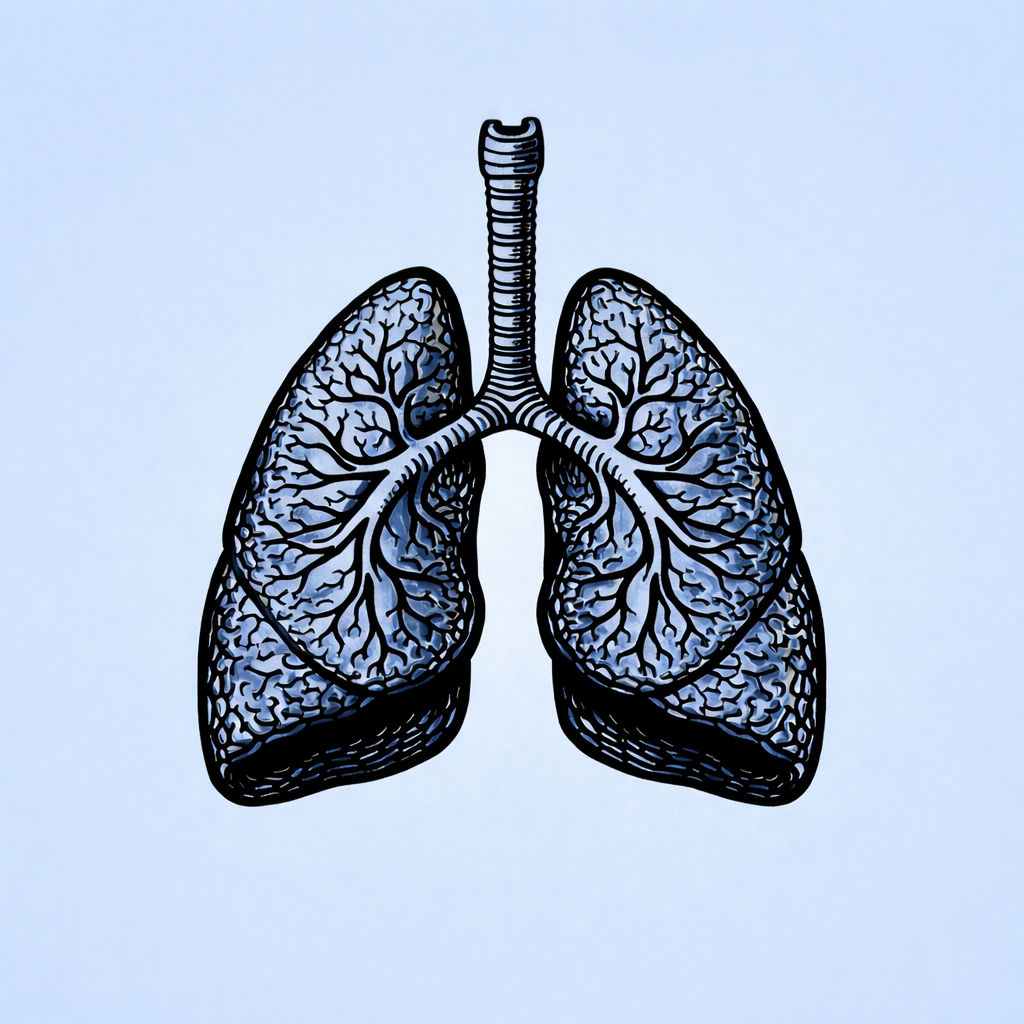
Oxygen and carbon dioxide transport describes how respiratory gases are carried in the blood to support cellular metabolism and acid–base balance. Understanding these mechanisms is essential for interpreting arterial blood gases, recognising respiratory compromise, and delivering appropriate oxygen therapy.
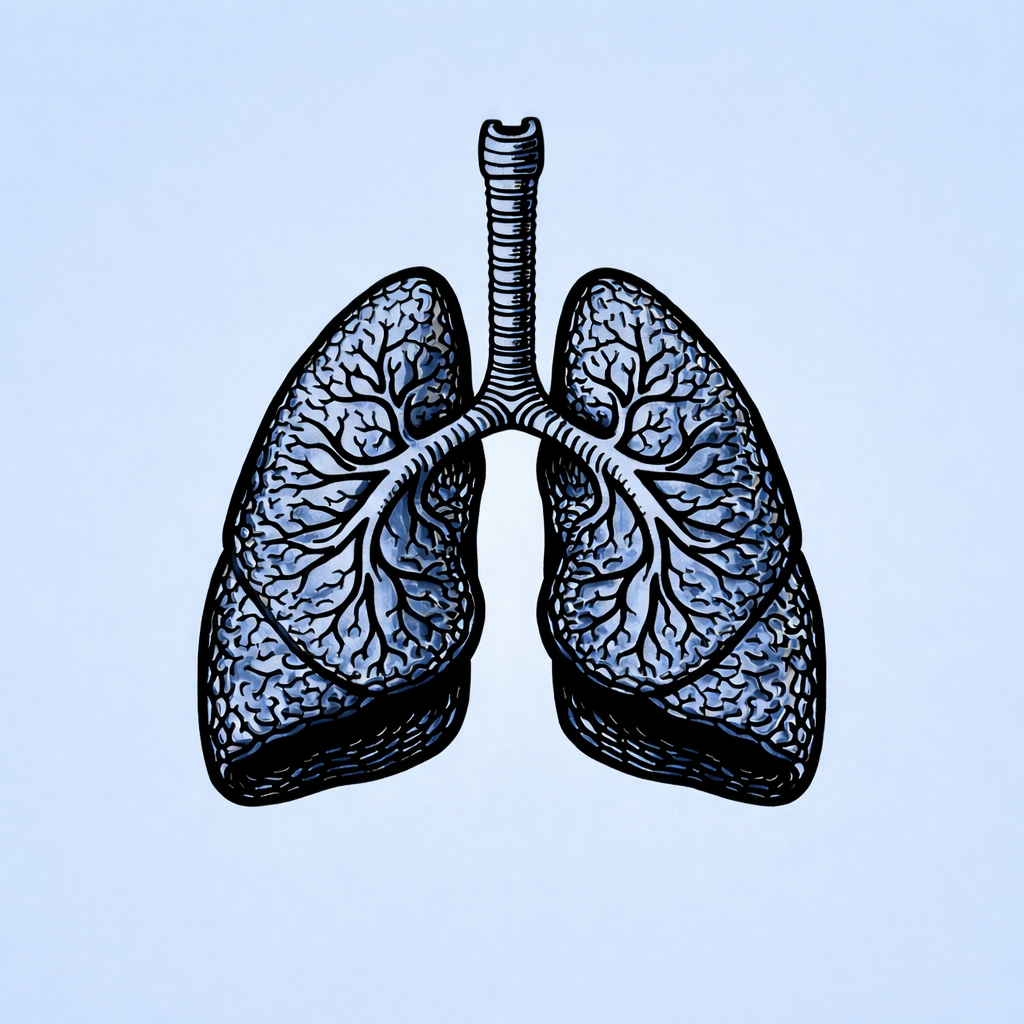
Neural and Chemical Control of Breathing
Neural and chemical control of breathing describes how the brainstem and chemoreceptors regulate ventilation to maintain stable oxygen, carbon dioxide, and pH levels. Understanding these control mechanisms is essential for recognising altered respiratory drive, interpreting abnormal breathing patterns, and assessing patients during illness, stress, or neurological impairment.
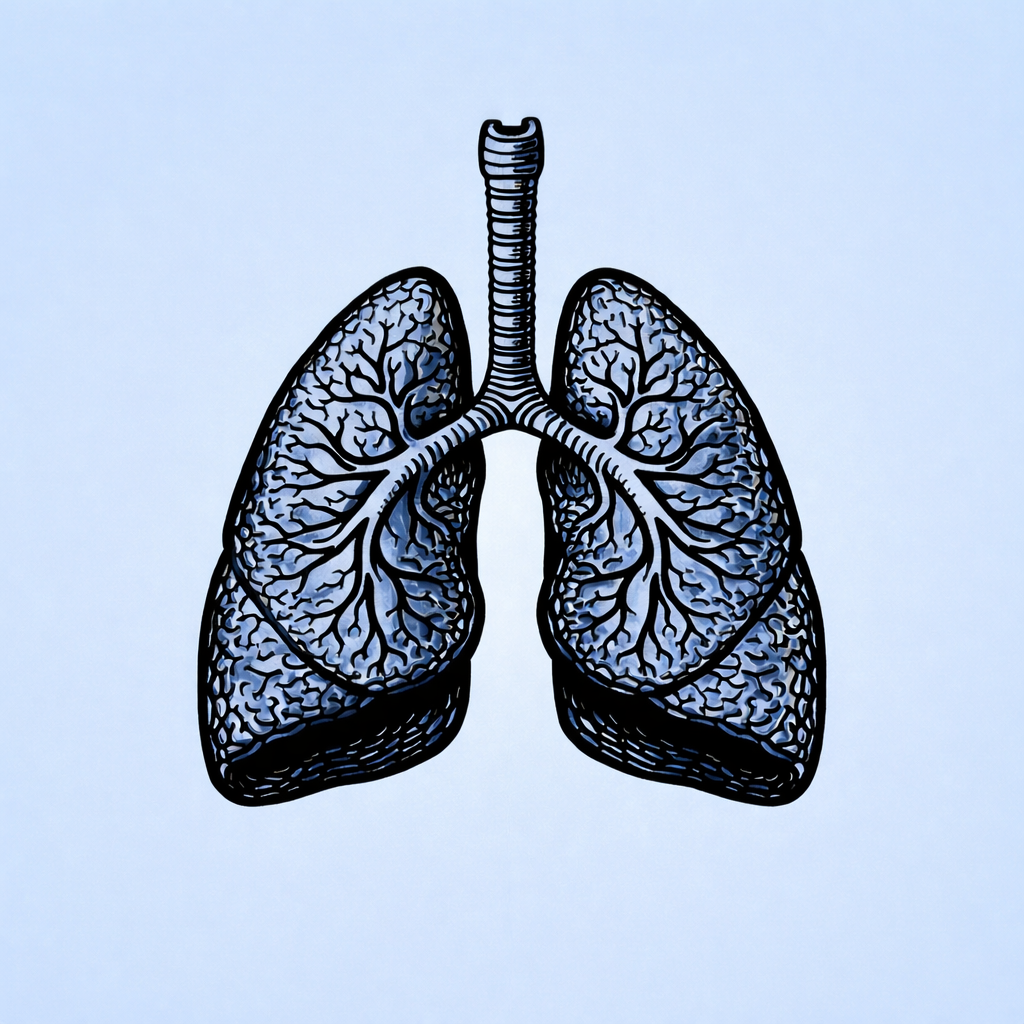
Pulmonary Circulation: Structure and Function
Pulmonary circulation is the low-pressure vascular system that carries deoxygenated blood from the heart to the lungs for gas exchange. Understanding how this circuit functions is essential for recognising disorders that impair oxygenation, such as pulmonary hypertension, embolism, heart failure, and acute lung injury.
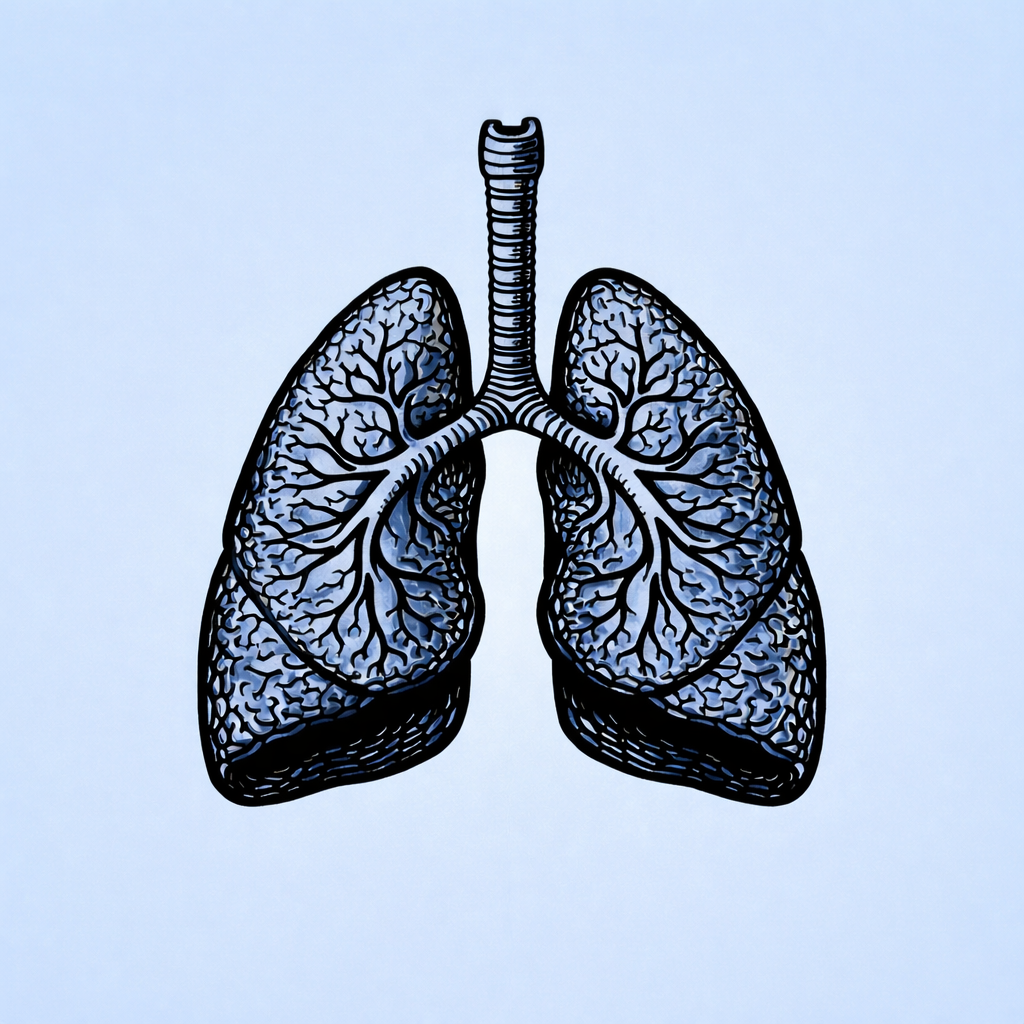
Respiratory Defence Mechanisms
Respiratory defence mechanisms are the protective systems that prevent inhaled particles and pathogens from damaging the lungs. Understanding how these defences function is essential for explaining susceptibility to infection, impaired airway clearance, and exaggerated inflammatory responses in respiratory disease.
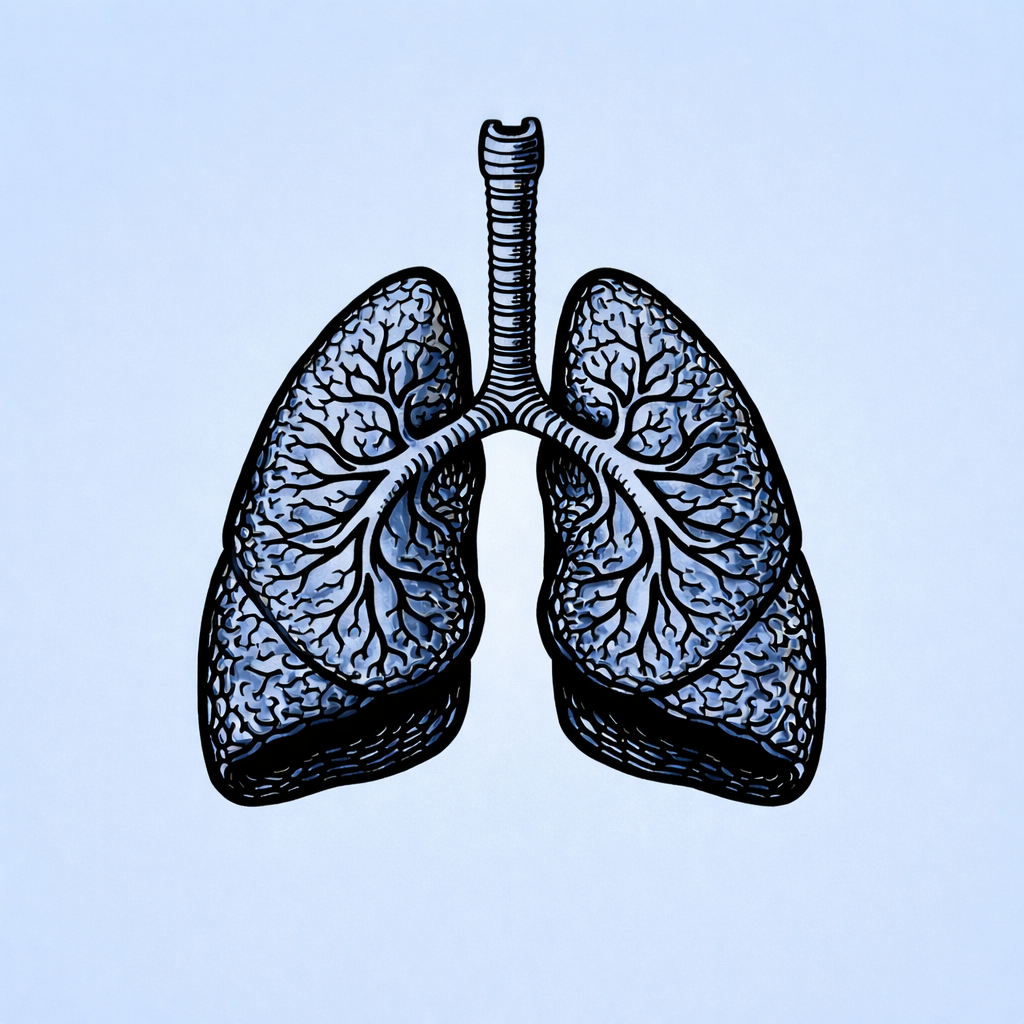
Alveolar Structure
Alveolar structure refers to the microscopic anatomy of the air sacs where oxygen and carbon dioxide exchange occurs. Understanding how alveoli are designed to maximise gas exchange is essential for explaining impaired oxygenation in conditions such as pneumonia, pulmonary oedema, emphysema, and ARDS.
Pulmonary Compliance
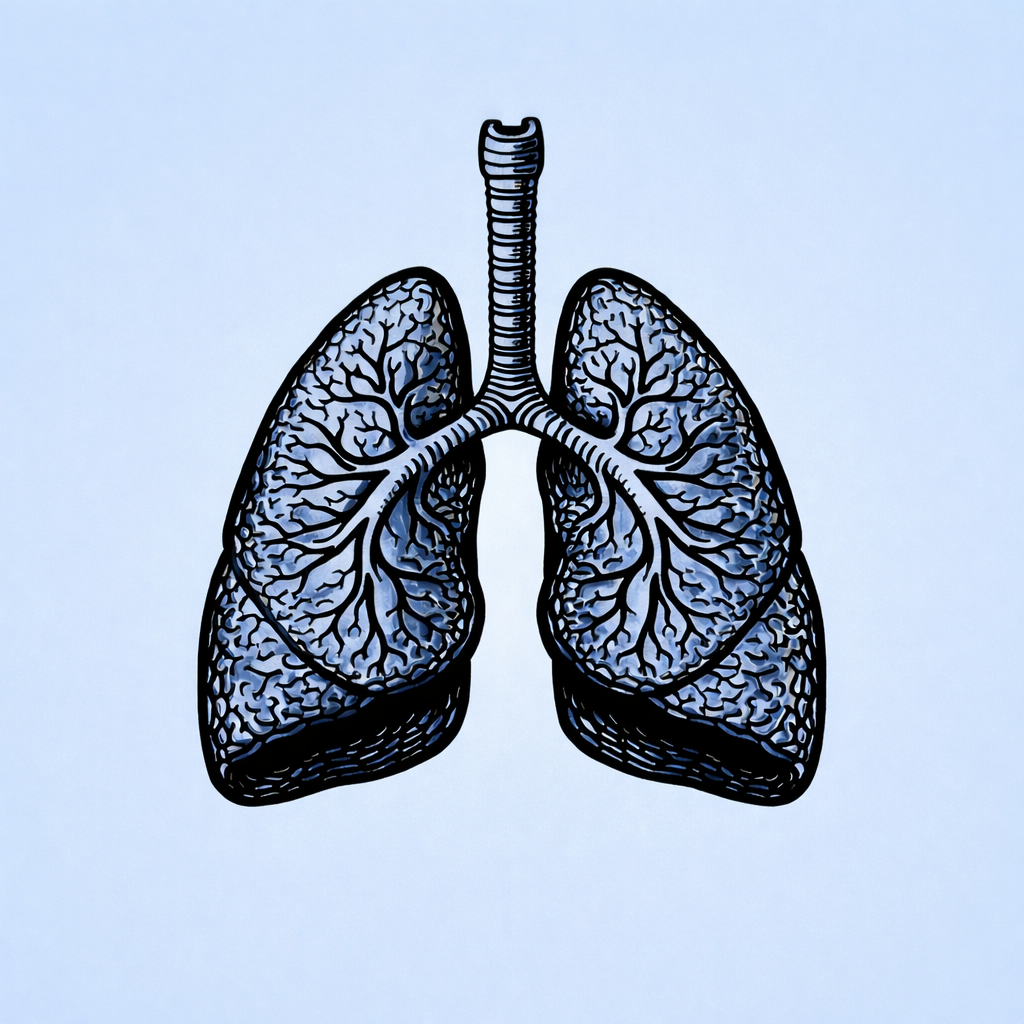
Pulmonary compliance describes how easily the lungs expand in response to inspiratory effort. Understanding changes in compliance is essential for explaining altered work of breathing and recognising respiratory conditions characterised by stiff or overly distensible lungs.
The Respiratory System - Overview
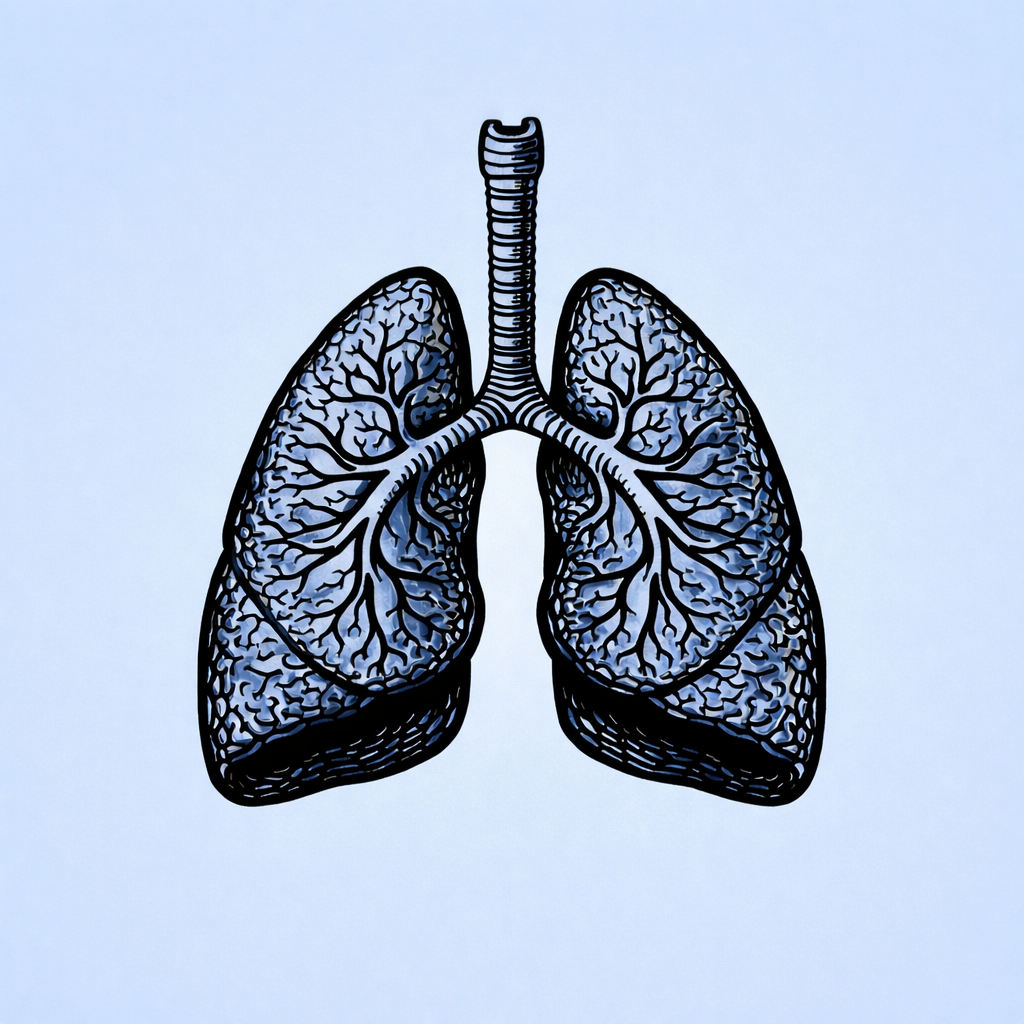
The respiratory system is responsible for ventilation, gas exchange, and the transport of oxygen and carbon dioxide in coordination with the cardiovascular system. Understanding these core processes provides the foundation for interpreting respiratory physiology, acid–base balance, and clinical respiratory dysfunction.
Upper Respiratory Tract Anatomy & Function
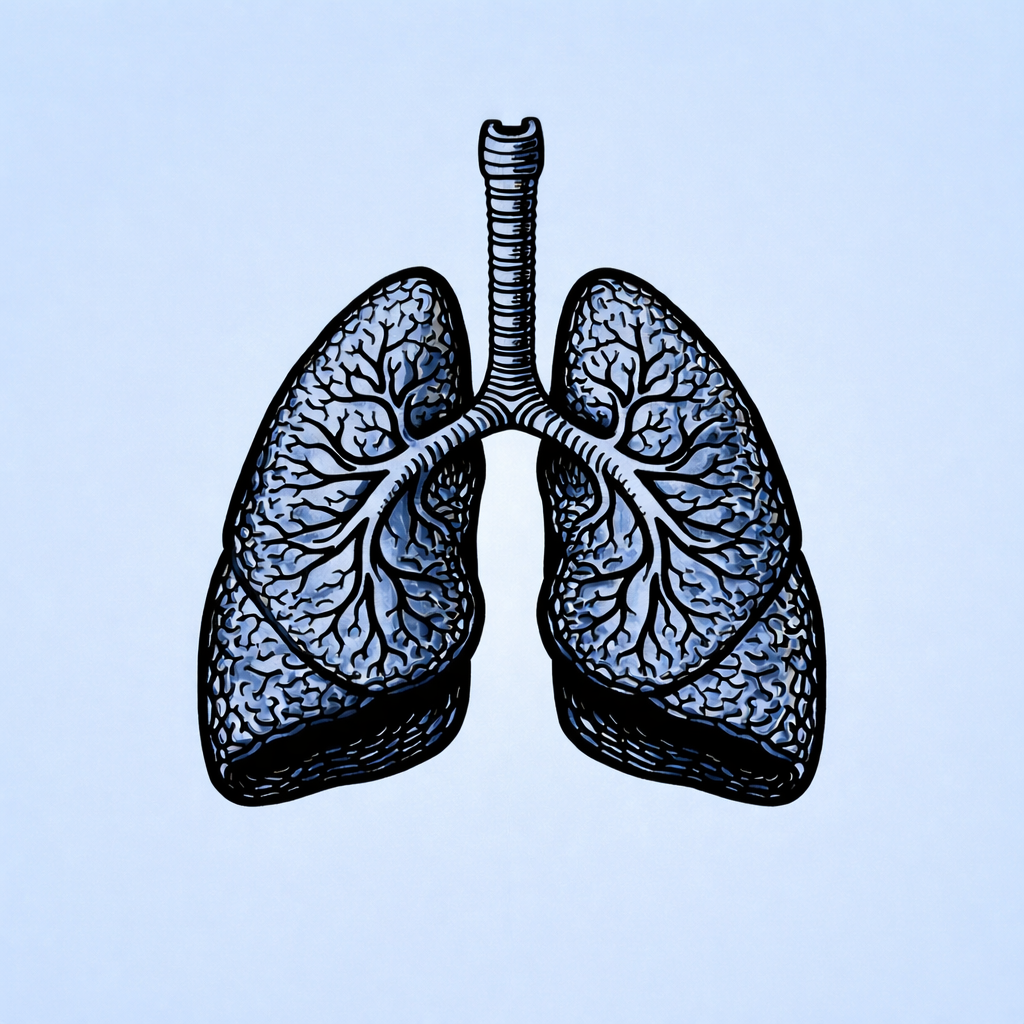
The upper respiratory tract is the initial passageway for air and provides critical protective, filtering, and conditioning functions before air reaches the lungs. Understanding its structure and function is essential for recognising how infections, inflammation, and obstruction disrupt airway protection and respiratory physiology.
Lung Volumes and Capacities
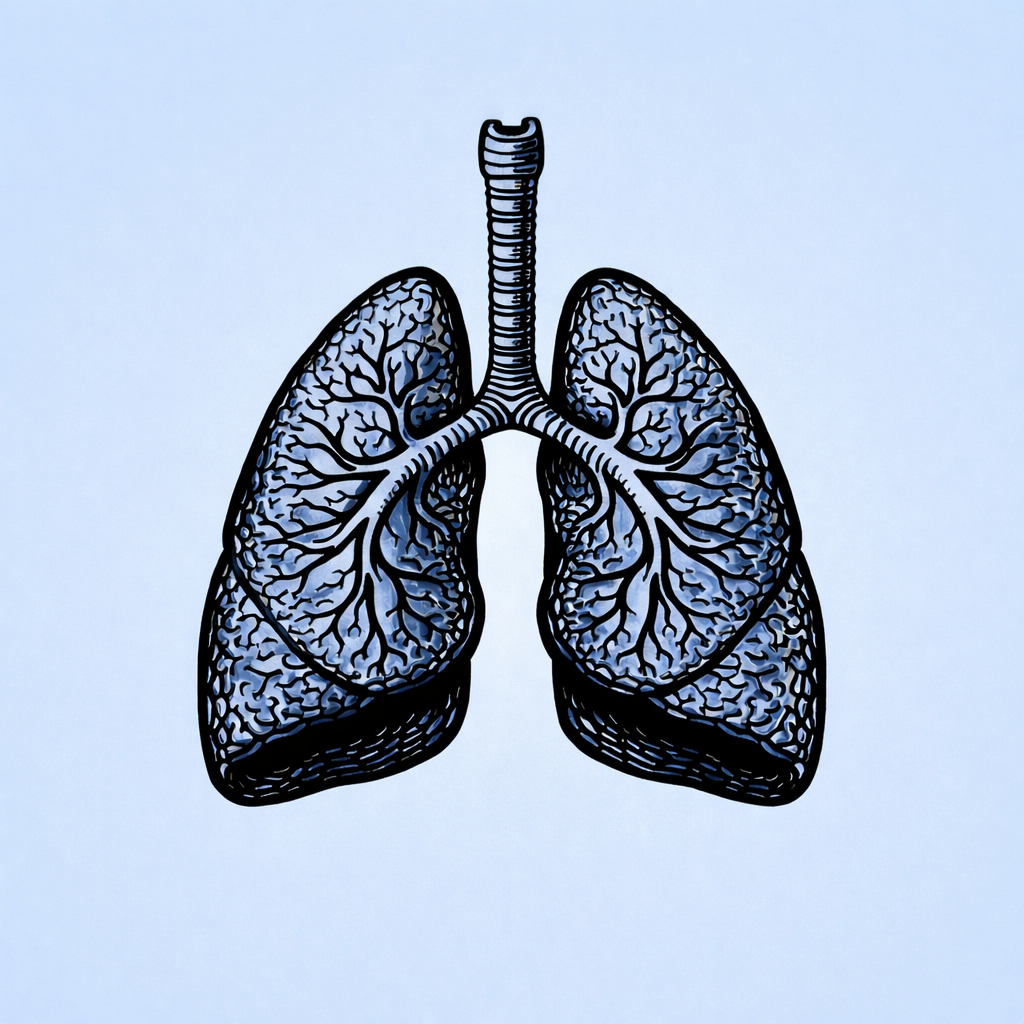
Lung volumes and capacities describe the amount of air the lungs move and hold during different phases of breathing. Understanding these measurements is essential for interpreting spirometry, distinguishing between obstructive and restrictive lung disease, and assessing how respiratory function changes with activity and pathology.