Thyroid-Stimulating Hormone (TSH): Regulation of Thyroid Hormone Production and Metabolic Homeostasis
Thyroid-stimulating hormone (TSH) is a pituitary hormone that regulates thyroid hormone production through a tightly controlled hypothalamic–pituitary–thyroid feedback loop. Understanding TSH regulation is essential for interpreting thyroid function tests and recognising disorders that disrupt metabolic homeostasis, thermoregulation, growth, and neurological function.
Parathyroid Glands & PTH Regulation of Calcium, Phosphate and Bone Homeostasis
The parathyroid glands regulate calcium and phosphate balance through the secretion of parathyroid hormone (PTH). Understanding PTH regulation is essential for interpreting calcium disturbances and recognising disorders that affect neuromuscular function, bone health, and metabolic stability.
Cortisol: Regulation, Actions and Clinical Significance of the Body’s Primary Glucocorticoid
Cortisol is the body’s primary glucocorticoid hormone, regulating metabolism, immune responses, cardiovascular function, and adaptation to stress. Understanding how cortisol is produced and controlled is essential for recognising stress physiology and identifying endocrine disorders caused by cortisol deficiency or excess.
Aldosterone: Mineralocorticoid Regulation of Sodium Balance, Blood Pressure and Fluid Homeostasis
Aldosterone is a mineralocorticoid hormone that regulates sodium retention, potassium excretion, and extracellular fluid volume through its actions on the kidneys. Understanding aldosterone regulation is essential for interpreting blood pressure control, fluid balance, and electrolyte disturbances in cardiovascular and renal disease.
DHEA and DHEA-S: Adrenal Androgens and Their Role in Development, Metabolism and Hormone Balance
DHEA and DHEA-S are adrenal androgens that serve as precursors for sex hormone production and contribute to development, metabolism, and endocrine balance. Understanding their role is essential for interpreting hormonal interactions, age-related endocrine change, and disorders affecting adrenal and gonadal function.
The Adrenal Medulla: Catecholamine Secretion and the Acute Stress Response
The adrenal medulla is a specialised neuroendocrine tissue that releases catecholamines to mediate the body’s acute stress response. Understanding its function is essential for explaining rapid cardiovascular, metabolic, and physiological changes that occur during stress, illness, and emergency states.
Adrenaline and Noradrenaline: Regulation of Acute Stress Physiology
Adrenaline and noradrenaline are catecholamine hormones that regulate the body’s rapid physiological response to acute stress. Understanding how these hormones act is essential for explaining cardiovascular, metabolic, and neurological changes during fight-or-flight responses, illness, and emergency situations.
The Liver as an Endocrine Organ: Hormone Production, Activation and Systemic Metabolic Regulation
The liver functions as an endocrine organ by producing, activating, and regulating hormones that influence metabolism, growth, iron balance, and blood pressure. Understanding these endocrine roles is essential for appreciating how the liver coordinates systemic metabolic regulation and maintains physiological stability across multiple organ systems.
The Heart as an Endocrine Organ: Atrial and B-type Natriuretic Peptides
The heart functions as an endocrine organ by releasing atrial and B-type natriuretic peptides in response to cardiac chamber stretch. Understanding this endocrine role is essential for explaining fluid balance, sodium regulation, and blood pressure control in cardiovascular health and disease.
Thymic Hormones and the Endocrine Regulation of T-Cell Development
Thymic hormones regulate the development, maturation, and functional programming of T-lymphocytes within the thymus. Understanding this endocrine role is essential for explaining adaptive immune development, self-tolerance, and the long-term consequences of impaired T-cell maturation.
Somatostatin and Pancreatic Polypeptide: Local Modulators of Islet Function and Digestive Physiology
Somatostatin and pancreatic polypeptide are regulatory hormones that modulate pancreatic hormone secretion and digestive activity. Understanding their local actions is essential for explaining fine-tuning of metabolic control and coordinated gastrointestinal physiology.
The Pineal Gland: Melatonin Secretion, Circadian Rhythms and Neuroendocrine Regulation
The pineal gland is an endocrine organ that regulates circadian rhythms through the secretion of melatonin in response to light–dark signals. Understanding its function is essential for explaining sleep–wake regulation, neuroendocrine timing, and the hormonal effects of disrupted circadian rhythms.
Adipose Tissue as an Endocrine Organ: Leptin, Adiponectin and Metabolic Signalling
Adipose tissue functions as an endocrine organ by secreting hormones such as leptin and adiponectin that regulate appetite, metabolism, inflammation, and insulin sensitivity. Understanding this endocrine role is essential for explaining obesity, metabolic syndrome, and the systemic consequences of altered energy balance.
The Kidneys as an Endocrine Organ: Erythropoietin, Renin and Calcitriol
The kidneys function as an endocrine organ by producing erythropoietin, renin, and calcitriol to regulate oxygen delivery, blood pressure, and mineral balance. Understanding these hormonal roles is essential for recognising the systemic consequences of kidney disease on haematological, cardiovascular, and skeletal health.
Gastrointestinal Endocrine Hormones: Regulation of Digestion, Appetite and Metabolism
Gastrointestinal endocrine hormones are chemical messengers produced by the GI tract that regulate digestion, motility, appetite, and metabolic responses to food intake. Understanding these hormones is essential for explaining nutrient handling and recognising disorders such as diabetes, obesity, gastroparesis, and malabsorption.
Placental Hormones: Endocrine Regulation of Pregnancy, Fetal Development and Maternal Adaptation
Placental hormones regulate pregnancy by coordinating maternal adaptation, supporting fetal development, and maintaining a stable hormonal environment. Understanding these endocrine functions is essential for explaining physiological changes in pregnancy and recognising complications that affect maternal or fetal health.
The Hypothalamus: Neural–Endocrine Integration and Hormonal Control
The hypothalamus is the primary neural–endocrine integrator that converts neural signals into hormonal control of homeostasis. Understanding its role is essential for interpreting disorders that affect temperature regulation, appetite, fluid balance, stress responses, reproduction, and pituitary hormone secretion.
The Anterior Pituitary: Hormone Synthesis, Regulation and Systemic Influence
The anterior pituitary is a major endocrine gland that synthesises and secretes hormones controlling growth, metabolism, reproduction, stress responses, and thyroid function. Understanding how it is regulated by the hypothalamus is essential for interpreting endocrine feedback loops and recognising disorders with widespread systemic effects.
The Posterior Pituitary: Neurosecretion, Hormone Release and Fluid Balance
The posterior pituitary is a neuroendocrine structure that stores and releases hypothalamic hormones directly into the bloodstream. Understanding its role in hormone release is essential for interpreting fluid balance disorders, osmotic regulation, and conditions affecting childbirth and lactation.
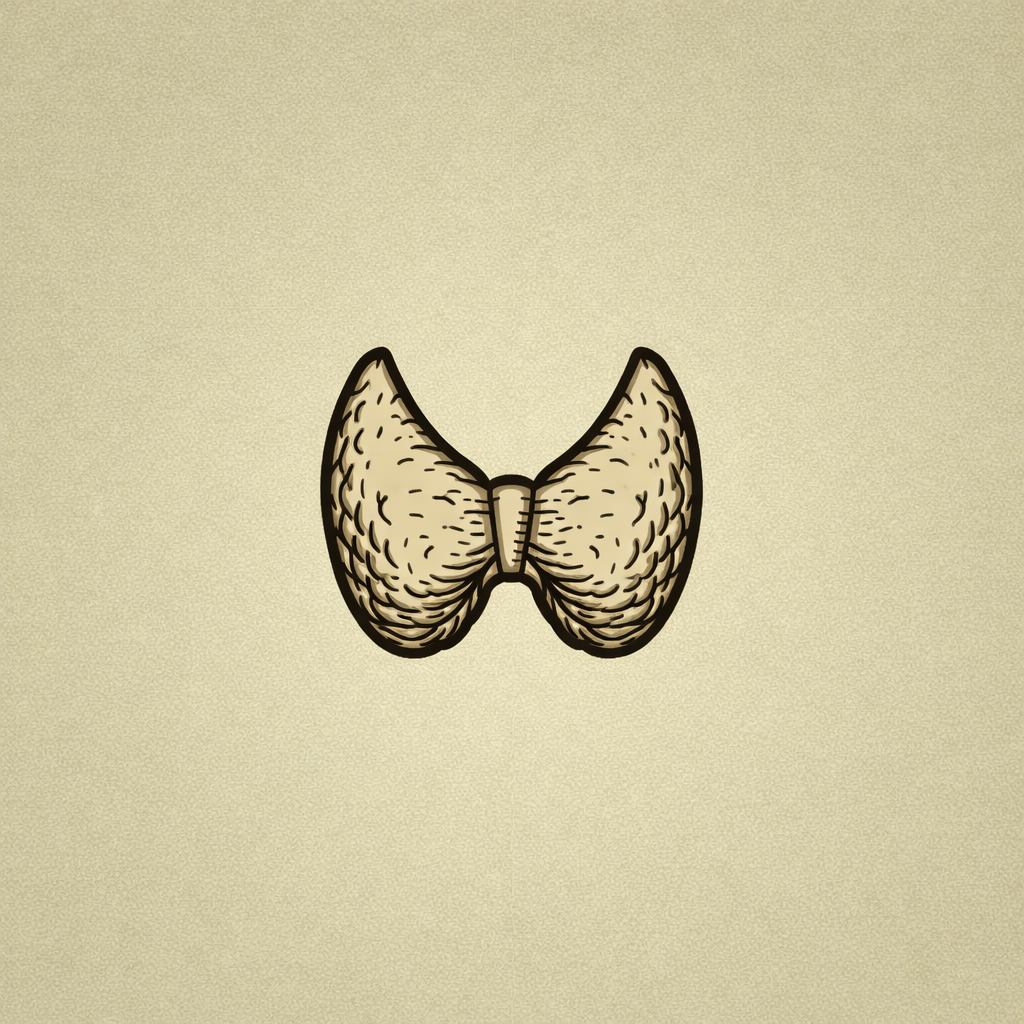
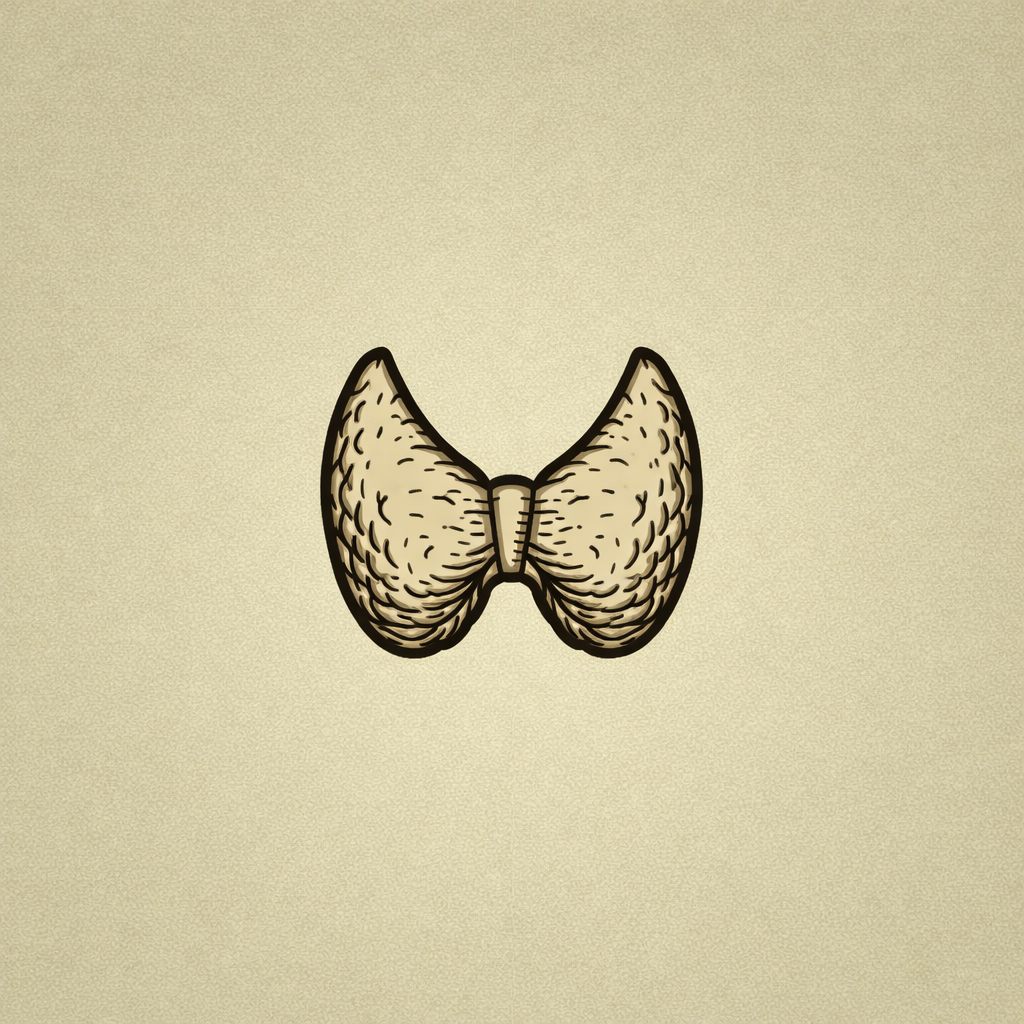
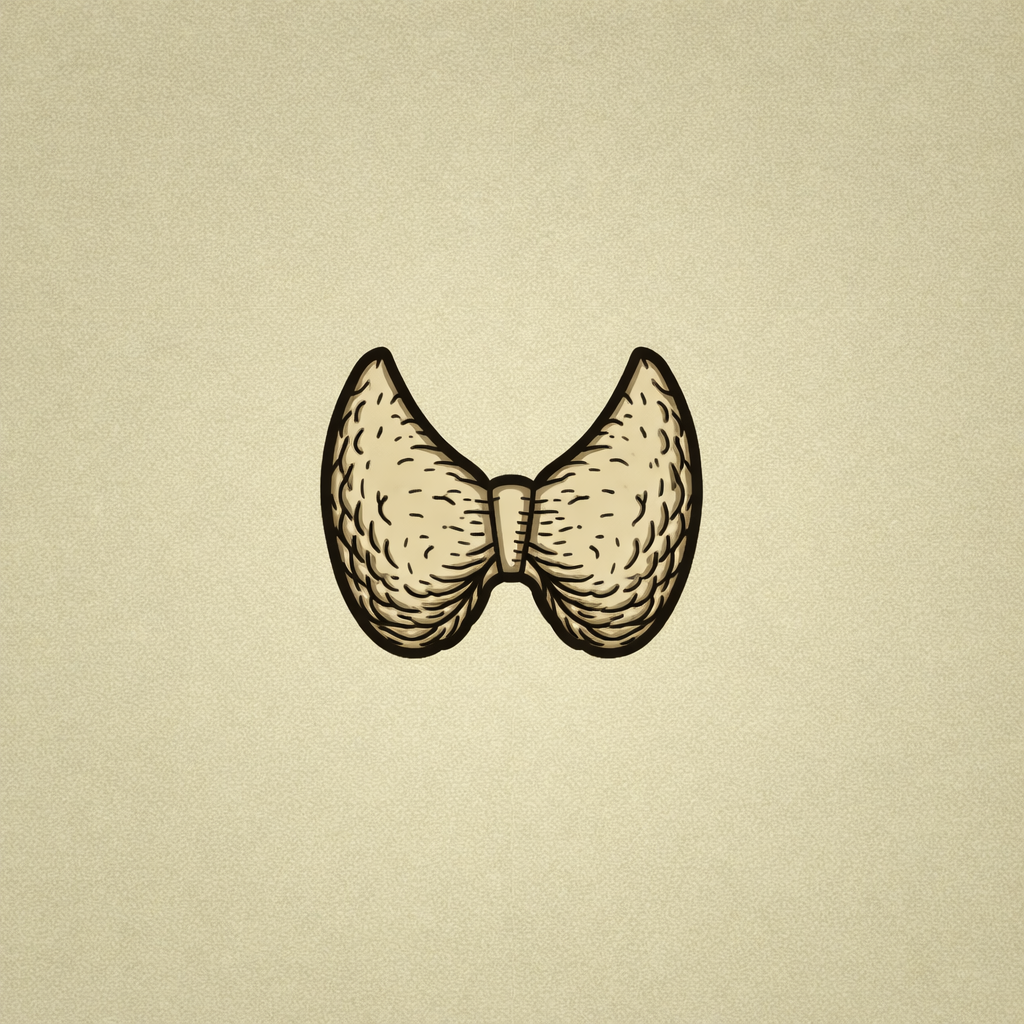
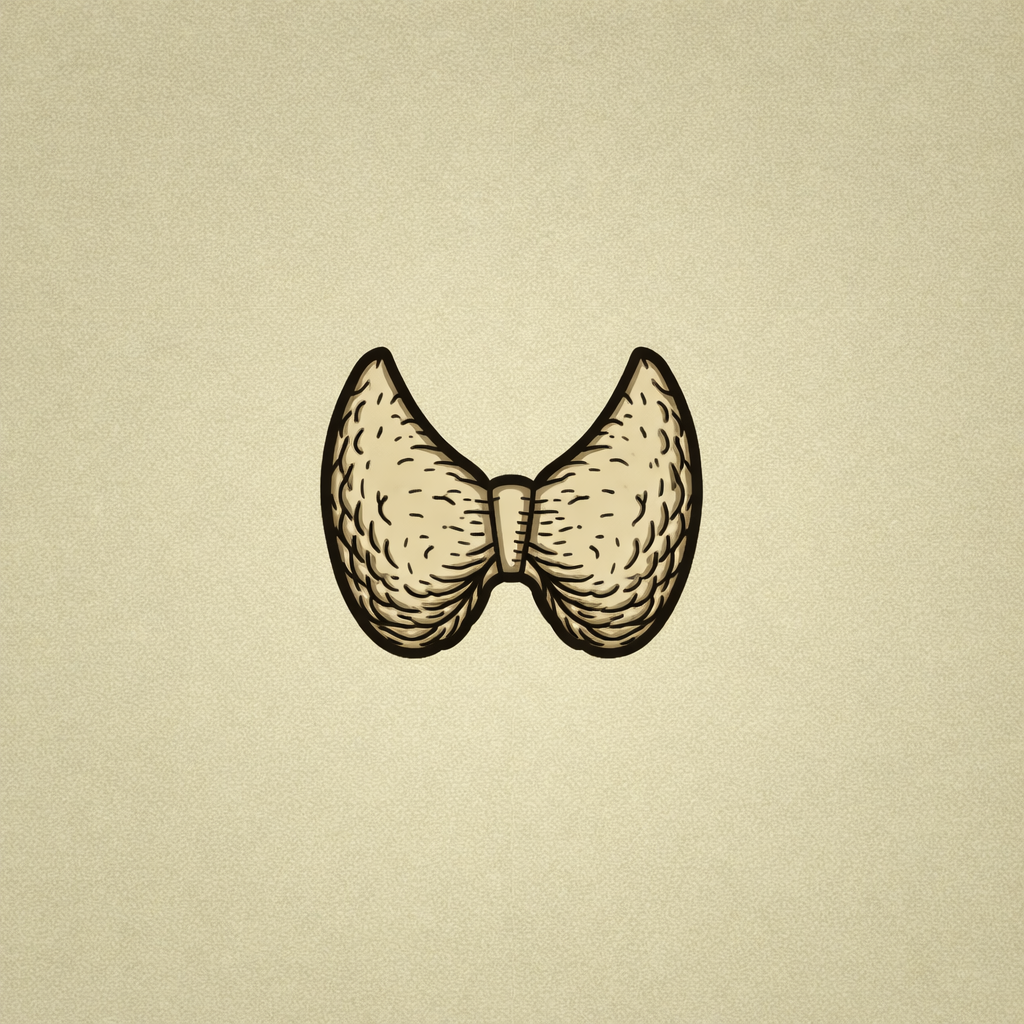
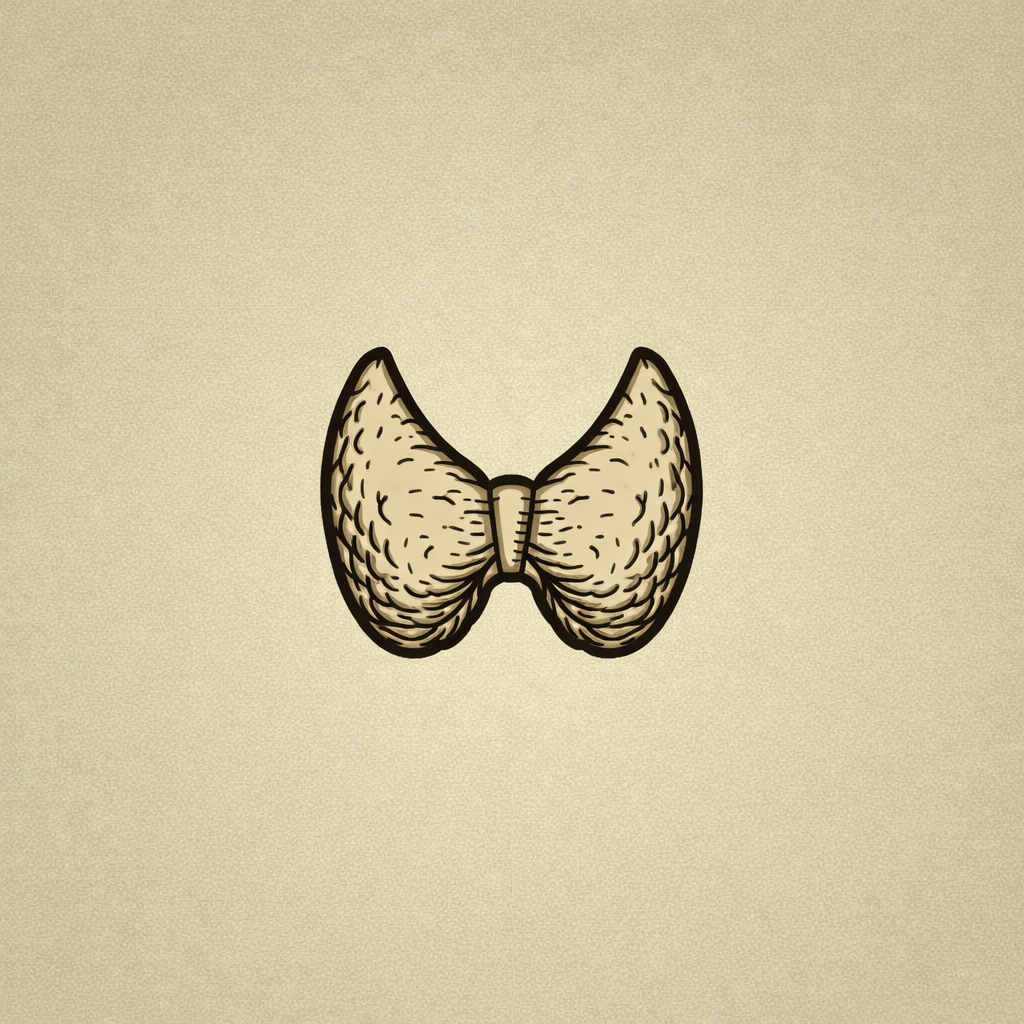
The Thyroid Gland: Structure, Hormone Synthesis and Metabolic Regulation
The thyroid gland is an endocrine organ that produces hormones regulating metabolism, thermogenesis, growth, and nervous system development. Understanding its structure and hormone synthesis is essential for recognising thyroid dysfunction and interpreting the widespread physiological effects of altered thyroid hormone levels.